Modern homes are getting taller, smarter, and more space-efficient. Because of this, having a bathroom on the second floor is no longer a luxury—it is a common need. But with this convenience comes a set of hidden challenges that many homeowners don’t consider until a problem arises.
One of the most important systems in any multi-story house is the plumbing for the 2nd-floor bathroom. It quietly handles water supply, drainage, and waste removal every single day. When it works well, you barely notice it. But when something goes wrong, it can quickly turn into a stressful and expensive situation.
Upper-floor plumbing issues are often more complicated than ground-floor ones. Why? Because water has to travel upward under pressure, and waste has to move downward through gravity. Any small mistake in design or installation can lead to leaks, low water pressure, or even ceiling damage in the floor below.
Understanding 2nd Floor Bathroom Plumbing Systems
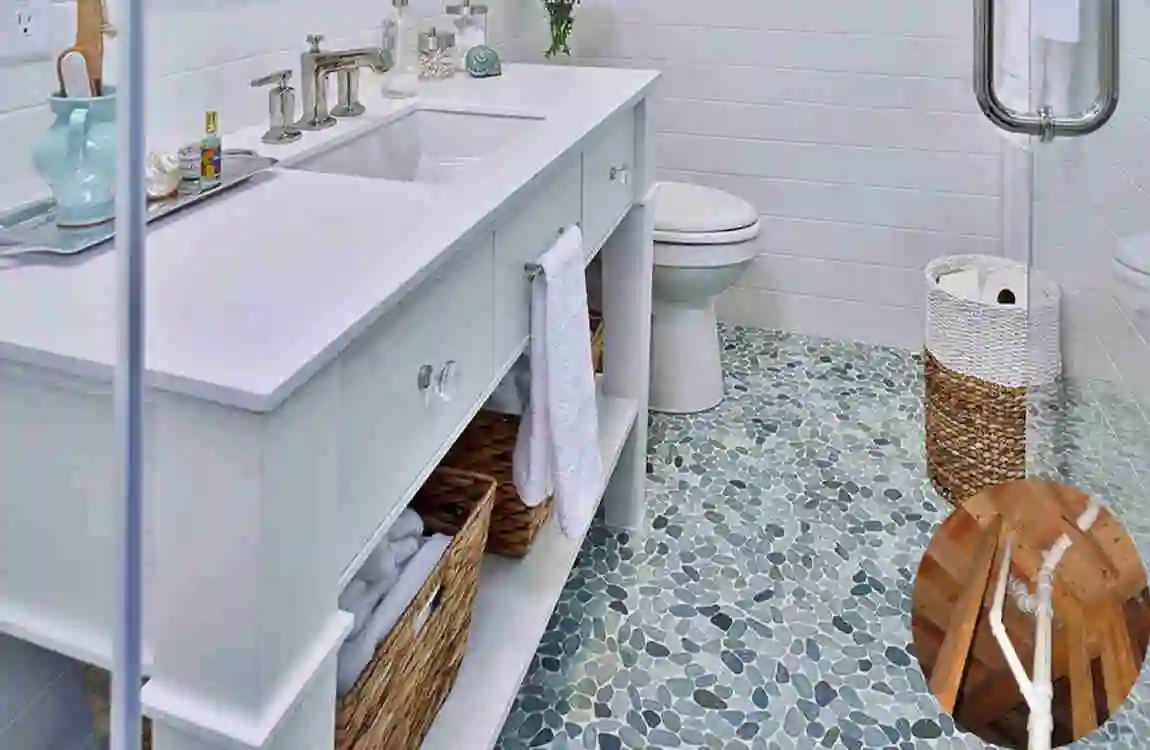
Before fixing any problem, it is important to understand how the system works. Once you know the basics, you can easily identify what is going wrong and why.
How Upstairs Bathroom Plumbing Works
Your 2nd-floor bathroom plumbing system relies on two main forces: pressure and gravity.
Water is supplied from the main water line and pushed upward using pressure. This pressure ensures that sinks, showers, and toilets on the upper floor receive enough water.
Once water is used, it flows downward through drainpipes by gravity. These waste pipes are slightly sloped so that dirty water moves smoothly toward the main sewer line.
At the same time, air must flow in and out of the system. This is handled by vent pipes, which prevent vacuum formation inside the drainage system. Without proper venting, water would drain slowly or make gurgling noises.
So, in simple words:
- Pressure brings clean water up
- Gravity takes wastewater down
- Vent pipes balance air flow
Key Components of 2nd Floor Bathroom Plumbing
A properly designed system includes several important parts:
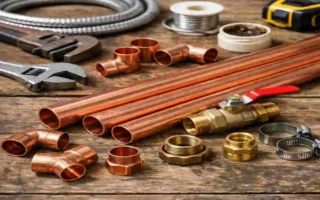
- Water supply pipes – deliver clean water to fixtures
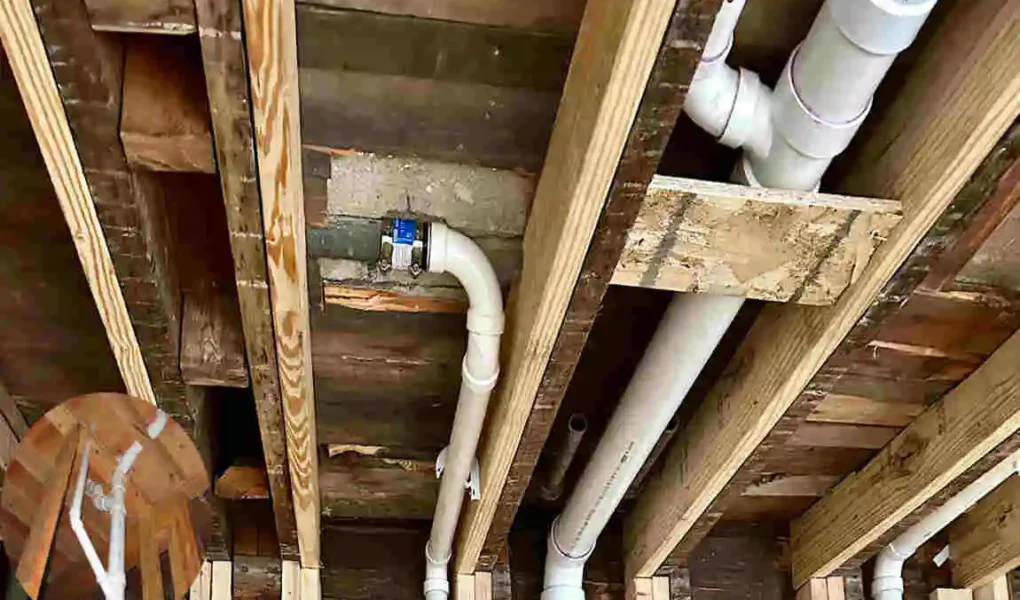
- Drain-waste-vent (DWV) system – carries wastewater safely out
- Soil stack pipe – main vertical pipe for waste removal
- Vent stack – allows air circulation inside pipes
- Bathroom fixtures – toilet, sink, shower, bathtub
Each part works together like a chain. If one part fails, the whole system can get disturbed.
Why Upper Floor Plumbing Is More Complex
You might wonder why second-floor plumbing is more problematic. The answer is simple: it has more pressure and a higher risk.
Here’s why:
- Water must travel upward under pressure
- Pipes are often hidden inside walls and ceilings
- Any leak can damage the lower floor immediately
- Repairs are harder and more expensive
Because of these factors, 2nd-floor bathroom plumbing requires careful design and high-quality installation.
Common 2nd Floor Bathroom Plumbing Problems
Now, let’s look at the most common issues homeowners face. These problems often appear slowly, so you might not notice them right away.
Low Water Pressure in Upstairs Bathrooms
This is one of the most common complaints. You turn on the shower, and the water feels weak or uneven.
Possible causes include:
- Long distance between the main tank and the bathroom
- Blocked or narrow pipes
- Old or corroded plumbing lines
- Low pressure in the main water supply
You may notice:
- Slow-filling sink
- Weak shower stream
- The toilet tank is filling very slowly
Slow or Clogged Drains
Drainage problems are another frequent issue in the 2nd-floor bathroom plumbing.
This happens due to:
- Hair buildup in pipes
- Soap and dirt accumulation
- Poor pipe slope during installation
- Small pipe diameter
If ignored, it can lead to complete blockage and water overflow.
Toilet Backup or Weak Flush
A weak flushing toilet is frustrating and unhygienic.
Common reasons:
- Blocked vent pipes
- Partial drain clog
- Incorrect toilet pipe size
- Low water level in the tank
Water Leakage Through the Ceiling
This is a serious issue because it affects not just the bathroom but the floor below it.
Leaks usually happen due to:
- Hidden pipe cracks inside the walls
- Loose fittings behind tiles
- Poor waterproof sealing around fixtures
Sewer Gas Smell in Bathroom
A bad smell coming from drains is a clear warning sign.
It may happen because:
- Dry P-traps allow gas to come back
- Blocked vent pipes
- Broken pipe seals
Noisy Pipes (Banging or Gurgling Sounds)
Strange pipe noises should never be ignored.
They are usually caused by:
- Water hammer effect (sudden water stop)
- Air trapped in pipes
- Loose pipe fittings inside the walls
Causes Behind 2nd Floor Bathroom Plumbing Issues
Understanding the root cause helps you prevent future problems.
Poor Plumbing Design
If the layout is not planned properly, problems are guaranteed.
- Wrong pipe direction
- Incorrect slope in drainage lines
- Poor vent placement
Low-Quality Materials
Cheap materials may save money initially, but cause long-term damage.
- Low-grade PVC pipes
- Weak joints
- Poor sealing materials
Installation Errors
Even good materials fail if the installation is poor.
- Untrained workers
- Incorrect pipe sizing
- Misaligned connections
Aging Plumbing System
Old systems naturally wear out.
- Rust in metal pipes
- Cracked joints
- Reduced water flow
Smart Fixes for 2nd Floor Bathroom Plumbing Problems
Now let’s move to solutions you can actually use.
Fixing Low Water Pressure
To improve pressure:
- Install a water pressure booster
- Clean showerheads and faucet filters
- Replace narrow pipes with wider ones
These small upgrades can make a big difference in daily comfort.
Clearing and Preventing Drain Clogs
Try these methods:
- Use drain covers to stop hair entry
- Flush drains with hot water weekly
- Use mild cleaning solutions regularly
For severe blockage, professional cleaning may be needed.
Repairing Leaks in Upstairs Plumbing
Leak fixing should always be taken seriously.
Steps include:
- Detecting leak location using pressure testing
- Replacing damaged pipe sections
- Resealing joints properly
- Waterproofing affected areas
Solving Toilet Flushing Issues
You can fix flushing problems by:
- Checking vent pipes for blockage
- Replacing faulty flapper valves
- Adjusting water levels in the tank
Eliminating Sewer Smells
To remove bad odors:
- Refill dry drain traps with water
- Clean vent pipes
- Check for broken seals around toilets and drains
Reducing Pipe Noise
To stop noisy pipes:
- Install water hammer arrestors
- Secure loose pipes inside the walls
- Reduce water pressure if it is too high
Preventive Tips for Long-Lasting 2nd Floor Bathroom Plumbing
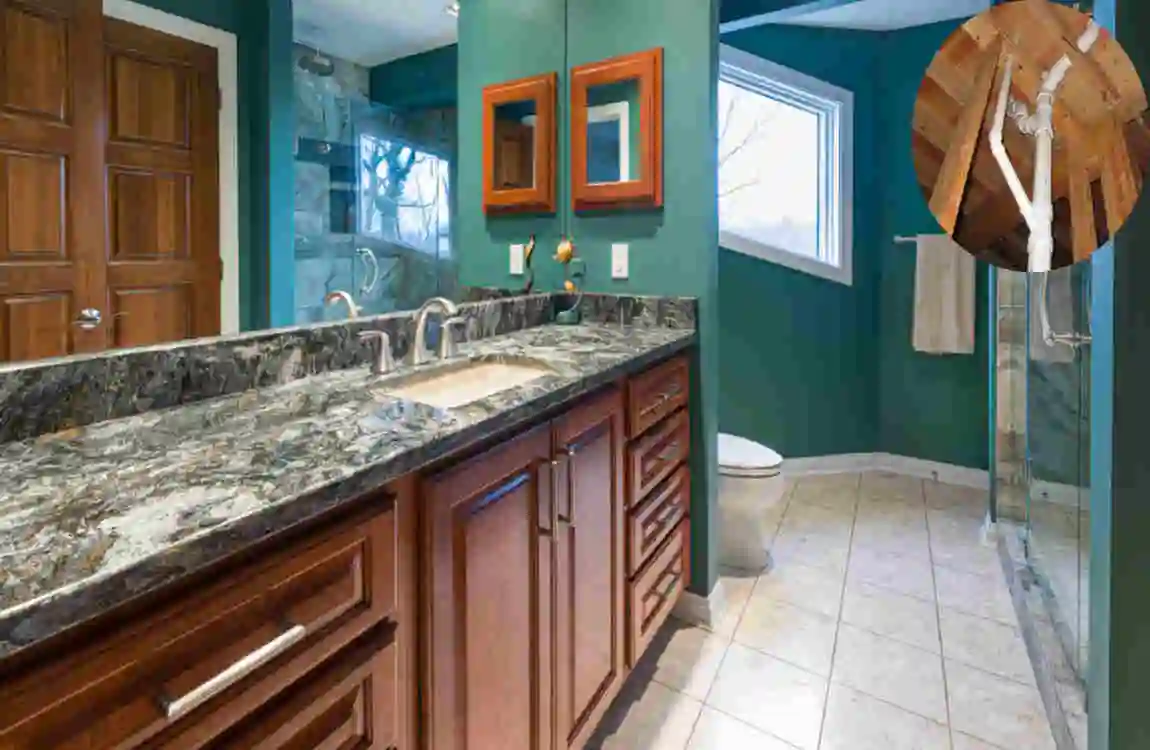
Prevention is always better than repair.
Use High-Quality Plumbing Materials
Invest in strong materials like:
- CPVC pipes
- PEX piping systems
- Brass fittings for durability
Proper Installation by Experts
Always ensure:
- Correct pipe slope
- Proper vent installation
- Professional artistry
Regular Maintenance Routine
Keep your system healthy by:
- Checking leaks monthly
- Cleaning drains regularly
- Monitoring water pressure
Smart Bathroom Habits
You can also help by:
- Avoiding flushing wipes
- Using drain covers
- Reducing grease or oil disposal in sinks
Cost of 2nd Floor Bathroom Plumbing Repairs
Repair costs vary depending on the issue.
Type of Repair Cost Level Description
Minor clog removal, Low Simple drain cleaning
Pipe leak repair, Medium Opening wall or floor sections
Full pipe replacement, High Complete plumbing system upgrade
Key factors affecting cost:
- Severity of damage
- Pipe accessibility
- Labor charges
- Material quality
Fixing small issues early always saves money in the long run.
When to Call a Professional Plumber
You should contact a professional if:
- Water leakage continues after repair
- Drains clog repeatedly
- The sewer smell does not go away
- You are renovating or rebuilding
Professional help ensures accurate diagnosis and long-term safety for your 2nd-floor bathroom plumbing system.
2nd Floor Bathroom Plumbing FAQ
What is 2nd floor bathroom plumbing?
It is the system that supplies water to and removes wastewater from a bathroom located on the upper floor of a house.
Why does my upstairs bathroom have low water pressure?
Low pressure usually happens due to long pipe distance, clogged lines, or weak main water supply.
Why does my 2nd floor bathroom drain slowly?
Slow drainage is often caused by hair buildup, soap residue, or poor pipe slope.
Is upstairs bathroom plumbing more prone to leaks?
Yes, because leaks on the second floor can be harder to detect and may damage the ceiling below.
What causes sewer smell in the bathroom?
It can be caused by dry P-traps, blocked vents, or broken pipe seals.
How can I prevent plumbing problems on the second floor?
Regular maintenance, good-quality materials, proper installation, and avoiding drain clogs help prevent issues.
When should I call a plumber?
Call a plumber if you notice persistent leaks, repeated clogs, bad smells, or water damage signs.