Are you currently staring up at your house, noticing missing shingles, water stains, or general wear and tear, and wondering which are the top 5 roofing materials available today? You are certainly not alone. Replacing a roof is one of the most significant investments you will ever make as a homeowner. It can feel incredibly overwhelming when you start looking at all the options, trying to balance durability, upfront cost, and overall style perfectly.
Your roof is the ultimate hat for your house. It is your family’s first line of defense against raging thunderstorms, heavy winter snows, and blistering summer heat. But it is not just about protection; your roof also plays a massive role in your monthly energy savings and accounts for up to 40% of your home’s total curb appeal. Choosing the wrong material can lead to frequent repairs, high utility bills, and an aesthetic that doesn’t match your neighborhood. Choosing the right one, however, can elevate your home’s value and give you decades of total peace of mind.
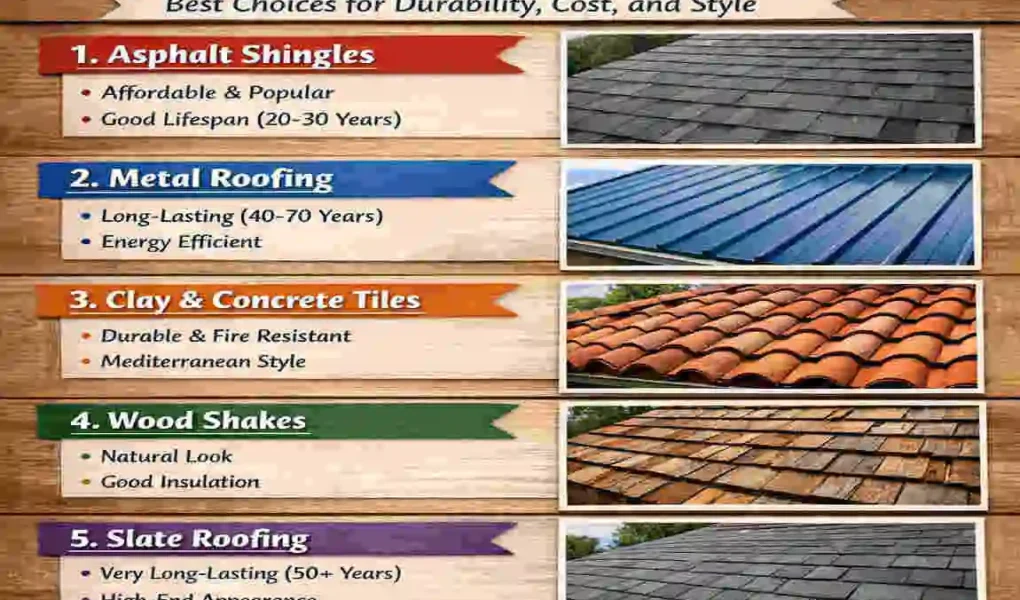
To help you cut through the noise, we are going to tease the top 5 contenders right now: asphalt shingles (the affordable, everyday staple), metal roofing (the long-lasting modern marvel), clay and concrete tiles (the elegant Mediterranean classic), slate (the premium, timeless stone), and wood shakes (the ultimate rustic charmer).
| Material | Lifespan | Cost/sq ft | Durability | Style Fit | |
|---|---|---|---|---|---|
| Asphalt Shingles | 20-30 years | $4-8 | Medium | Versatile | |
| Metal Roofing | 40-70 years | $10-18 | Very High | Modern/Rustic | |
| Clay/Concrete Tiles | 50-100 years | $10-20 | High | Mediterranean | |
| Slate | 75-150 years | $18-30+ | Extreme | Luxury | |
| Wood Shakes | 30-50 years | $8-15 | Medium | Rustic |
Before We Begin: Essential Roofing Basics
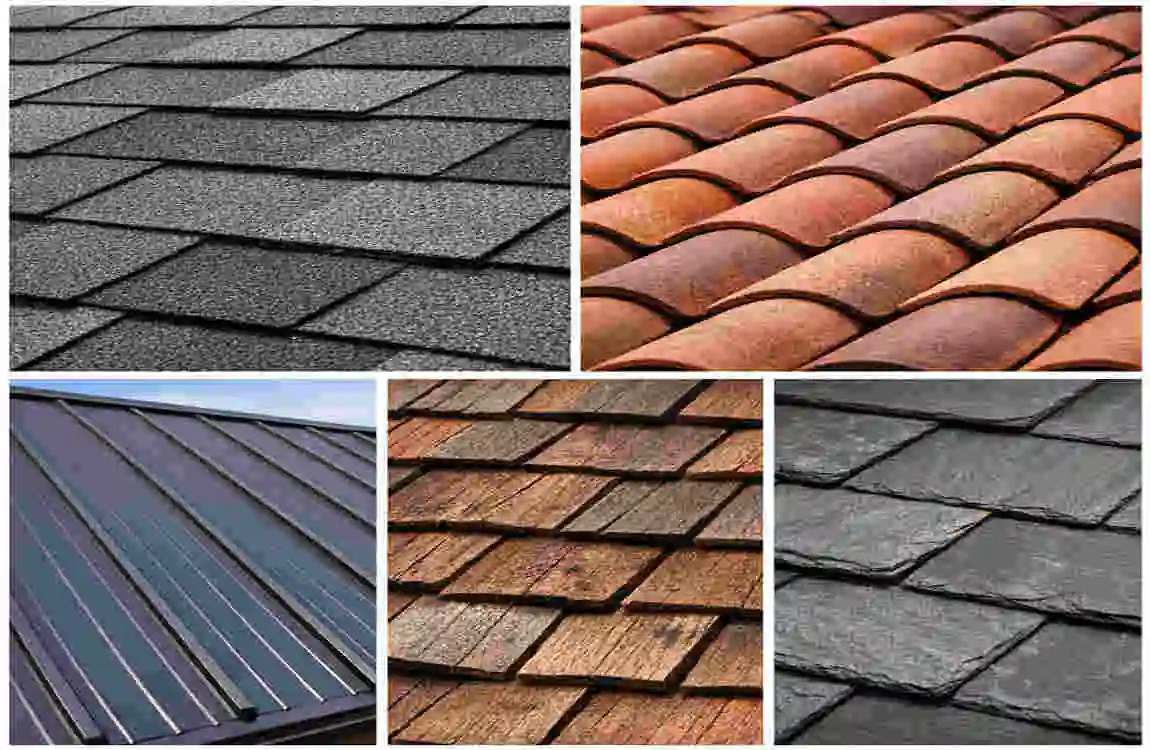
Before we jump into our list of the best roofing materials, we need to cover a few essential basics. Not every material works for every single house. You have to look at the unique characteristics of your property before making a final decision.
First, consider your roof pitch. The pitch is simply the angle or steepness of your roof. Flat or low-slope roofs cannot shed water as fast as steep roofs. Therefore, heavy materials like clay tiles or slate require a steeper pitch to prevent water from pooling and leaking through the heavy layers.
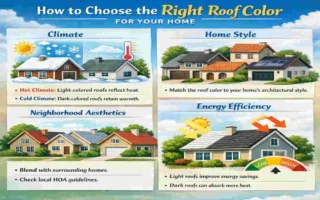
Next, you absolutely must consider your local climate. The weather outside your door dictates what should be on top of your roof. For example, if you live in an area with hot, blistering summers— or the American Southwest—you will want to favor highly reflective materials, such as metal or clay. If you live in an area famous for heavy hail and high winds, you need a high-impact resistance rating.
Finally, let’s talk about installation costs. Roofing is generally priced by the “square” (100 square feet) or by the square foot. Depending on the material you choose, you can expect to pay between $4 and $30 per square foot for a fully installed roof.
When evaluating our top 5 list, use this simple pros and cons framework: consider the expected lifespan, weigh the upfront cost versus the lifetime cost (how many times will you have to replace it?), and assess the aesthetic fit for your modern or traditional home.
Now that you know the ground rules, let’s dive into the top 5 roofing materials dominating the market today.
Asphalt Shingles: Affordable and Versatile Top Choice
When you ask most contractors what the top 5 roofing materials are, asphalt shingles will almost always be the first thing out of their mouths. They are the undisputed king of the residential roofing industry, and for very good reason.
What Exactly Are Asphalt Shingles?
Modern asphalt shingles are not just pieces of tar. They are highly engineered building products. They feature a tough fiberglass-reinforced base mat, heavily coated with waterproof asphalt, then topped with ceramic granules. These tiny granules protect the shingle from harmful UV sun rays and give the roof its beautiful color. You can choose from basic “3-tab” styles for a flat, traditional look, or upgrade to “architectural” shingles, which are thicker and uniquely layered to mimic the premium look of expensive wood or slate.
Durability and Weather Resistance
While they are the most affordable option, they still pack a punch. A high-quality asphalt roof typically provides reliable protection for 20 to 30 years. They boast an excellent Class A fire rating, meaning they are highly resistant to catching fire from flying embers. If you live in a stormy area, you can easily find impact-resistant upgrades that hold up beautifully against heavy hail and high winds.
Cost Breakdown
If you are on a strict budget, asphalt is your best friend. It offers the absolute lowest upfront installation cost. You can generally expect to pay between $4 and $8 per square foot fully installed. For an average-sized home with a 1,700-square-foot roof, you are looking at a highly manageable total cost of roughly $7,000 to $14,000.
Style and Curb Appeal
Asphalt shingles are the chameleons of the roofing world. They are available in literally hundreds of different colors, textures, and profiles. Whether you have a quaint cottage, a sprawling ranch, or a modern suburban build, there is an asphalt style that will flawlessly fit your home’s architecture.
Pros and Cons of Asphalt Shingles:
Aspect Important Details
Lifespan 25 to 30 years with proper maintenance
Best Fit For Budget-conscious homes, quick installations, and rental properties
Main Pro: Highly affordable and very easy for contractors to install
Main Con: Shorter lifespan compared to premium materials; can blow off in extreme hurricanes
Metal Roofing: Durable and Energy-Efficient Winner
Taking the second spot on our list of the top 5 roofing materials is metal roofing. Once reserved purely for barns and commercial warehouses, metal has exploded in residential popularity thanks to stunning new designs and incredible longevity.
The Anatomy of a Metal Roof
When we talk about modern metal roofing, we usually mean standing-seam steel or aluminum. These roofs feature long, sleek vertical panels with hidden fasteners, meaning there are no exposed screws for water to seep through. They also utilize advanced “cool roof” technology. The metal is painted with specialized, highly reflective coatings that literally bounce the sun’s radiant heat back into the atmosphere.
Incredible Durability and Lifespan
If you want to install a roof and never think about it again for the rest of your life, metal is the answer. These systems easily boast a lifespan of 40 to 70+ years. They do not rot, they do not crack, and pests cannot chew through them. Furthermore, they carry the highest Class 4 impact rating. They are rigorously tested for wind resistance up to an astonishing 140 mph. They are virtual fortresses.
Costs and Long-Term Savings
Because of the premium materials and specialized labor required, metal costs more. You can expect to pay between $10 and $18 per square foot, bringing an average 1,700-square-foot roof to about $17,000 to $30,000. However, do not let that initial number scare you! Because they reflect heat so efficiently, metal roofs can generate up to 30% in monthly energy savings, quickly offsetting the premium price tag over time.
Modern Styles and Eco-Benefits
Metal roofs look incredibly sleek and modern. However, if you prefer a traditional look, manufacturers now stamp metal to perfectly mimic the look of asphalt shingles, clay tiles, or even rustic wood shakes. Additionally, metal is the most environmentally friendly option on our list. The materials are often made from recycled content. When the roof reaches the end of its 70-year life, it is 95% recyclable.
Pros and Cons of Metal Roofing:
Aspect Important Details
Lifespan 50 to 70+ years
Best Fit For Storm-prone areas, eco-conscious buyers, and long-term ROI
Main Pro: Nearly indestructible and slashes summer cooling bills
Main Con: High upfront cost; requires specialized installation crews
Clay and Concrete Tiles: Stylish and Long-Lasting
If you are aiming for unmatched elegance and want to know the top 5 roofing materials for luxury curb appeal, clay and concrete tiles are your answer. They are heavy, gorgeous, and built to last multiple lifetimes.
The Mediterranean Masterpiece
When you picture a stunning Spanish villa or a sprawling Mediterranean estate, you are picturing a clay tile roof. These tiles are baked from natural terracotta clay or molded from heavy-duty cement mixtures. They are most famous for their sweeping, overlapping “S” profiles. Still, they are also available in sleek, flat designs for more contemporary homes.
Durability That Outlasts Generations
Tile roofs are heavyweight champions. Because they are made from earth and stone, they are completely fireproof. They will never rot, and insects have absolutely zero interest in them. A well-maintained clay or concrete roof will easily last 50 to 100 years. They confidently withstand pounding hail, torrential rain, and baking desert heat without breaking a sweat.
Investment Costs and Structural Needs
Beauty and brawn come at a price. Installing a tile roof typically costs between $10 and $20 per square foot, which translates to $17,000 to $34,000 for an average-sized home—a critical warning: These roofs are incredibly heavy. Before you can upgrade from asphalt to tile, you must hire a structural engineer to inspect your home. You may need to pay for additional structural framing to safely support the massive weight of the clay or concrete.
Unmatched Elegance and Style
Nothing replicates the rich, warm earth tones of natural terracotta clay. They bring a deep, textural beauty to any property. The overlapping design creates natural air pockets beneath the tiles, allowing hot air to escape and keeping your home naturally cooler in the summer.
Pros and Cons of Tile Roofing:
Aspect Important Details
Lifespan 75 to 100+ years
Best Fit For Hot climates, dry areas, and luxury architectural properties
Main Pro Stunningly beautiful and highly resistant to fire and heat
Main Con Extremely heavy; may require expensive structural reinforcements
Slate Roofing: Premium Durability and Elegance
If you want the absolute pinnacle of roofing luxury, look no further than slate. When historians and architects debate the top 5 roofing materials, slate is universally considered the crown jewel of the industry.
What is Natural Slate?
Slate is not manufactured in a factory; the earth forges it. It is a natural stone that is carefully quarried, sliced into incredibly dense slabs, and individually hand-installed onto your home. Because it is a natural stone, no two roofs look exactly alike. It features gorgeous, slightly irregular textures and stunning natural hues ranging from deep charcoal grays to rich greens and purples.
Extreme Durability (A Roof for a Century)
Calling slate “durable” is an understatement. It is virtually indestructible. A proper natural slate roof will last 75 to 150+ years. It is entirely impervious to water, heavily resistant to moss and fungus, and completely fireproof. Many historic homes in Europe and the northeastern United States still feature their original slate roofs installed well over a century ago!
Premium Pricing for Premium Quality
Because you are literally paying for hand-quarried stone and highly specialized artisan installation, slate is the most expensive material on our list. You can expect to pay anywhere from $18 to over $30 per square foot. For a standard home, this often means an investment of $30,000 or more. However, because it lasts forever, it offers the best ultimate lifetime value of any material.
The Ultimate Luxury Aesthetic
Slate offers an Old World luxury that cannot be faked. It instantly elevates both historic mansions and ultra-modern custom builds. If the price tag of natural stone is too high, you can explore synthetic slate alternatives made from recycled plastics and rubber. These synthetics mimic the look of real stone beautifully, cost significantly less, and weigh much less, eliminating the need for structural reinforcements.
Pros and Cons of Slate Roofing:
Aspect Important Details
Lifespan 100 to 150+ years
Best Fit For High-end properties, historic renovations, and forever homes
Main Pro: The longest-lasting roof available with unmatched natural beauty
Main Con: Exceptionally expensive and requires highly specialized artisan roofers
Wood Shakes and Shingles: Rustic Style with Natural Charm
Rounding out our complete guide to the top 5 roofing materials is the warmest, most organic option available: natural wood. If you want a home that feels like a cozy, welcoming retreat, wood is the perfect choice.
The Difference Between Shakes and Shingles
While often used interchangeably, shingles and shakes are different. Wood shingles are machine-sawn on both sides, creating a clean, uniform, and relatively flat appearance. Wood shakes, on the other hand, are traditionally hand-split from the wood block. This hand-splitting creates a rugged, thick, and highly textured surface that casts deep, beautiful shadows across your roofline. They are typically milled from naturally bug-and-rot-resistant woods like cedar or redwood.
Durability and Lifespan
Wood is a natural, living material. When properly treated and maintained, a cedar shake roof will provide 30 to 50 years of reliable shelter. To ensure maximum safety, modern wood roofing is thoroughly pressure-treated with heavy-duty fire-retardant chemicals before installation, making it safe even in areas prone to dry summer heat.
Pricing the Natural Look
Wood sits comfortably in the middle of the pricing spectrum. You can expect to pay between $8 and $15 per square foot, resulting in a total project cost of roughly $14,000 to $25,000. Keep in mind that wood does require periodic maintenance. You will need to have the roof cleaned and re-sealed every few years to prevent moisture absorption and moss growth.
Gorgeous Warmth and Style
Nothing beats the natural charm of wood. When first installed, cedar boasts rich, warm golden-brown tones. Over time, as it is exposed to the sun and rain, it naturally ages into a stunning, distinguished silvery-gray color. It is the absolute perfect choice for craftsman-style homes, Cape Cod architecture, or any property seeking an organic, woodland vibe. For the eco-conscious buyer, be sure to ask your contractor for wood sourced from sustainably managed, certified forests.
Pros and Cons of Wood Roofing:
Aspect Important Details
Lifespan 30 to 50 years (with proper maintenance)
Best Fit For Mild climates and homes with a strong aesthetic focus
Main Pro: Incredibly unique, warm, and natural texture
Main Con: Requires consistent maintenance to prevent rot and moss; higher fire risk in extreme dry zones
Top Roofing Materials Compared
We have thrown a lot of numbers and details at you! To help you easily digest all this information, let’s look at a clear visual breakdown. Here is how our contenders stack up in the ultimate showdown.
Roofing Material, Expected Lifespan, Average Cost (per sq ft), Overall Durability Rating, Best Style Fit, Best Climate Fit
Asphalt Shingles 25 – 30 years $4 – $8 Medium-High Highly Versatile All Climates
Metal Roofing 50+ years $10 – $18 Very High Modern / Rustic Stormy & Hot
Clay / Concrete Tiles 75+ years $10 – $20 High Mediterranean Hot & Dry
Natural Slate 100+ years $18 – $30+ Extreme Luxury / Historic Cold & Wet
Wood Shakes 30 – 50 years $8 – $15 Medium Rustic / Cottage Mild Climates
Analyzing the Data: Finding Your Perfect Fit
When you look at the table, the decision really comes down to your personal goals and your budget.
If you are looking for the most economical way to protect your home right now, asphalt shingles are the undisputed budget champion. They look great and get the job done quickly and efficiently.
If you are building your “forever home” and want to leave a lasting legacy for your grandchildren, natural slate or clay tiles are the way to go.
However, if you want the smartest Return on Investment (ROI), run the numbers on metal roofing. While it costs twice as much as asphalt upfront, it lasts more than twice as long. Furthermore, if the reflective properties save you $100 a month on your summer air conditioning bills, that metal roof can easily pay for its own premium upgrade costs in just 10 to 15 years! It is an incredibly smart financial move.
Essential Maintenance and Smart Buying Tips
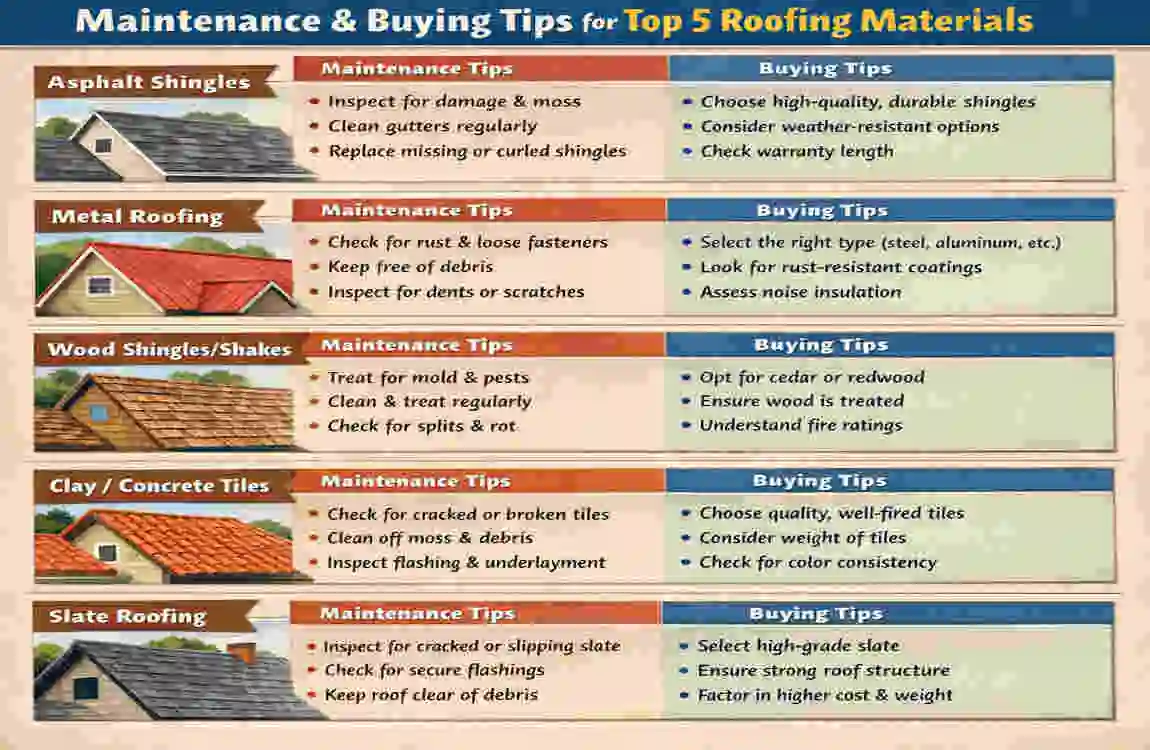
No matter which of the top 5 roofing materials you choose, it’s essential to maintain it. Think of your roof like a car; it needs regular tune-ups to keep running smoothly.
We highly recommend performing seasonal checks. Twice a year (usually in the spring and fall), grab a pair of binoculars and scan your roof from the ground. Look for cracked tiles, curled shingles, or missing pieces. Clean your gutters religiously to prevent water from backing up under the roofline.
When it comes to local climates, always buy for your weather. If you live in a sweltering area like, prioritize heat-resistant, reflective materials like metal or clay. Finally, never attempt to DIY a roof replacement. Always hire a licensed, bonded, and heavily insured professional roofing contractor to guarantee the work and protect your warranties.
What Are the Top 5 Roofing Materials? FAQs
To wrap things up, let’s answer some of the most frequently asked questions homeowners have about roof replacement.
What are the top 5 roofing materials for sheer durability? If you want ultimate toughness, metal, natural slate, and clay tiles lead the pack. These materials are heavily resistant to high winds, fire, and impact damage, often lasting well over 50 years.
What is the absolute cheapest roofing material to install? Asphalt shingles are the most budget-friendly option on the market. They are mass-produced and very easy for crews to install, keeping both material and labor costs exceptionally low.
Which roofing material is considered the most stylish? While style is subjective, architects generally consider natural slate and terracotta clay tiles to be the most luxurious and aesthetically pleasing options, adding significant visual weight and elegance to a property.
Can I put a new metal roof directly over my old asphalt shingles? In many local building codes, yes! Because metal is incredibly lightweight, contractors can often install a standing-seam metal roof directly over a single layer of old asphalt, saving you thousands of dollars in demolition and disposal costs.
Do metal roofs make houses hotter in the summer? Absolutely not! This is a common myth. Modern metal roofs use highly reflective “cool roof” paints that actually bounce solar heat back into space, keeping your attic significantly cooler than a traditional dark asphalt roof.
Are wood shakes a massive fire hazard? While untreated wood is flammable, modern wood shakes and shingles used in roofing are heavily pressure-treated with advanced fire retardants. This allows them to pass strict residential fire codes. However, they are still not recommended for areas with a high risk of active wildfires.