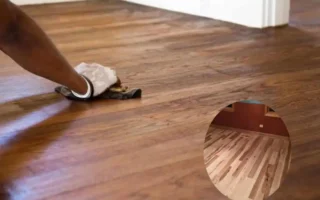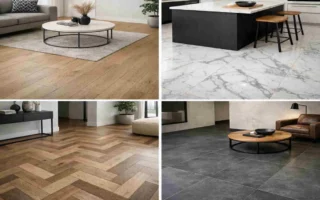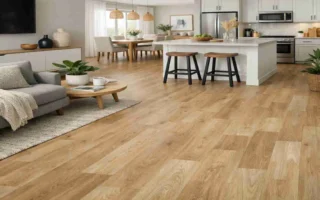
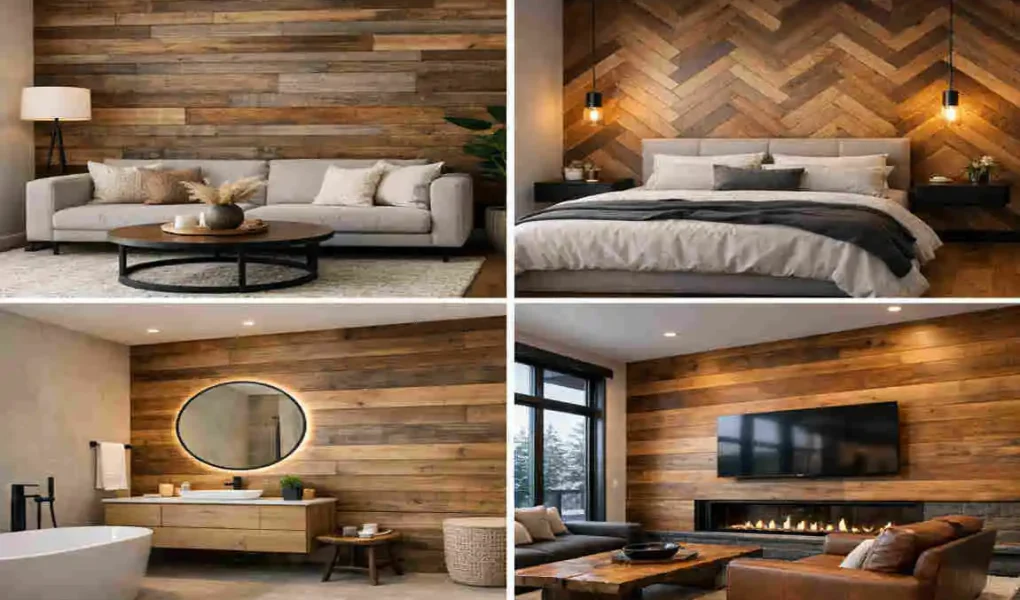
Wood flooring on walls ideas are becoming more popular because they bring warmth, texture, and personality into a room. Instead of using wood only underfoot, homeowners are now using it on walls to create eye-catching features that feel modern and cosy at the same time.
This design choice works in many types of homes. It can feel rustic, farmhouse-inspired, minimalist, or even luxury-focused, depending on the colour, pattern, and finish you choose. That makes it a flexible idea if you want a room that stands out without feeling too busy.
When people talk about wood flooring on walls, they usually mean using flooring planks, wood-look planks, or wood panels as a wall treatment. It can be a full accent wall, a fireplace surround, a headboard wall, or even a small decorative section in an entryway or office.
Benefits of Using Wood Flooring on Walls
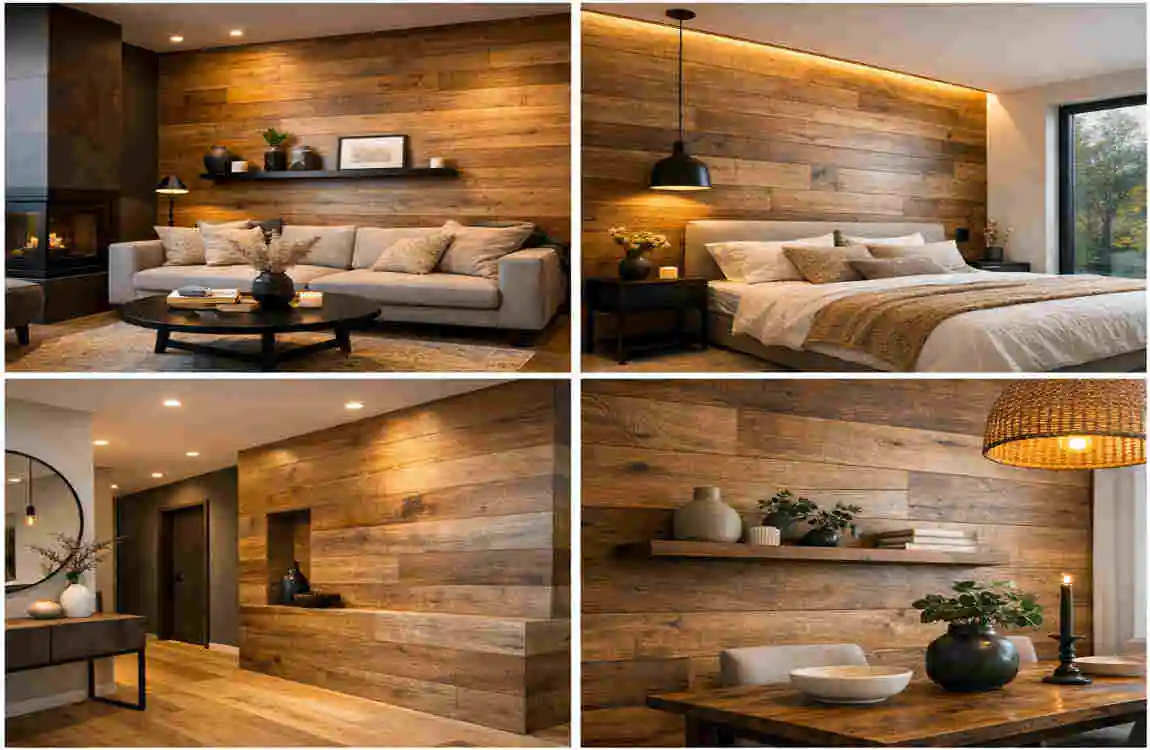
Creates a warm and inviting atmosphere
Wood naturally adds a cozy feeling to a room. Even if the rest of the space is simple, a wood wall can make it feel more welcoming right away.
This is one reason wood wall design ideas work so well in living rooms, bedrooms, and entryways. They help soften a space and make it feel more lived-in.
Adds texture and visual interest
Flat walls can sometimes feel empty. Wood adds grain, pattern, and depth, which gives the room more character.
That texture becomes especially useful in rooms with clean furniture or neutral colors. The wall becomes a focal point without needing loud decor.
Turns a plain wall into a feature
A wood wall can completely change the purpose of a room. A simple wall behind a sofa, bed, or dining table can become the most important part of the space.
This is a smart way to upgrade a room without changing the whole layout. It gives you a strong design result with one focused project.
Works with many design styles
One of the best things about wood wall panels is how adaptable they are. They can fit into:
- Rustic interiors
- Modern homes
- Farmhouse spaces
- Scandinavian rooms
- Contemporary luxury designs
That flexibility makes them useful for both small updates and larger redesigns.
Can support comfort and function
In some setups, wood wall surfaces may also help soften sound a little, depending on the wall system and backing. They aren’t a full soundproofing solution, but they can still improve the room’s feel.
They also work well because they can be changed more easily than major structural updates. That makes them a practical design option for many homeowners.
Best Wood Flooring on Walls Ideas for Every Room
Living room: accent walls and fireplace surrounds
The living room is one of the most common places for a wood accent wall. It anchors the seating area and creates a strong focal point.
A wood wall behind the sofa or fireplace can make the whole room feel more polished. If your living room is large, darker wood can add richness. If it is small, lighter wood can help the room feel more open.
Bedroom: headboard wall and feature wall ideas
Bedrooms often benefit from wood walls because they feel calm and restful. A wood feature wall behind the bed works like a built-in headboard and can make the room feel more complete.
Soft wood tones are often the best choice here. They create a peaceful mood and pair well with bedding, lamps, and simple decor.
Dining room: warm backdrop for dining areas
A wood wall in the dining room can make mealtimes feel more special. It gives the space a grounded, elegant look.
This works especially well behind a dining table or buffet. The wall adds warmth and helps the room feel more intentional.
Kitchen: decorative wall applications
In kitchens, use wood wall ideas carefully. The goal is usually decorative impact, not full coverage.
A wood wall can work well in a breakfast nook, on a side wall, or as part of a dry zone away from moisture and heat. If you want wood in the kitchen, choose finishes that are easy to clean and maintain.
Home office: professional wood feature walls
A wood wall can make a home office feel more focused and stylish. It can also help the room feel less plain during video calls.
Medium or darker wood tones often work well in offices because they create a more grounded, professional look.
Entryway: welcoming wood wall designs
The entryway is a great place to make a first impression. A wood wall here can immediately set the tone for the whole home.
It can make a small entrance feel more intentional and pairs nicely with a mirror, bench, or wall hooks.
Bathroom: consider moisture carefully
Bathrooms need extra care because of humidity. Wood can still be used, but it must be protected well and installed in the right part of the room.
It is usually better to keep wood away from direct water contact. A decorative wall in a dry bathroom area can still look beautiful.
Basement: cosy wood wall applications
Basements can feel cold or unfinished, so wood is often a great choice there. It adds warmth and helps the space feel more comfortable.
Lighter woods can help brighten a basement. Deeper tones can make a lounge or media room feel more relaxed and cosy.
Room-by-room wood wall style guide
RoomBest Wood ToneBest UseDesign Mood
Living room Light to medium Accent wall or fireplace surround Warm and inviting.
Bedroom Soft natural tones Headboard wall Calm and restful
Dining room Medium to dark Backdrop wall Elegant and grounded
Kitchen Light, clean finish Decorative wall section Fresh and practical
Home office Medium wood Feature wall behind desk Focused and polished
Entryway Natural or warm tones Statement wall Welcoming
Bathroom Moisture-resistant finish Dry-zone accent Spa-like
Basement Light or rich tones Full or partial wall Cosy and finished
Popular Wood Wall Designs and Styles
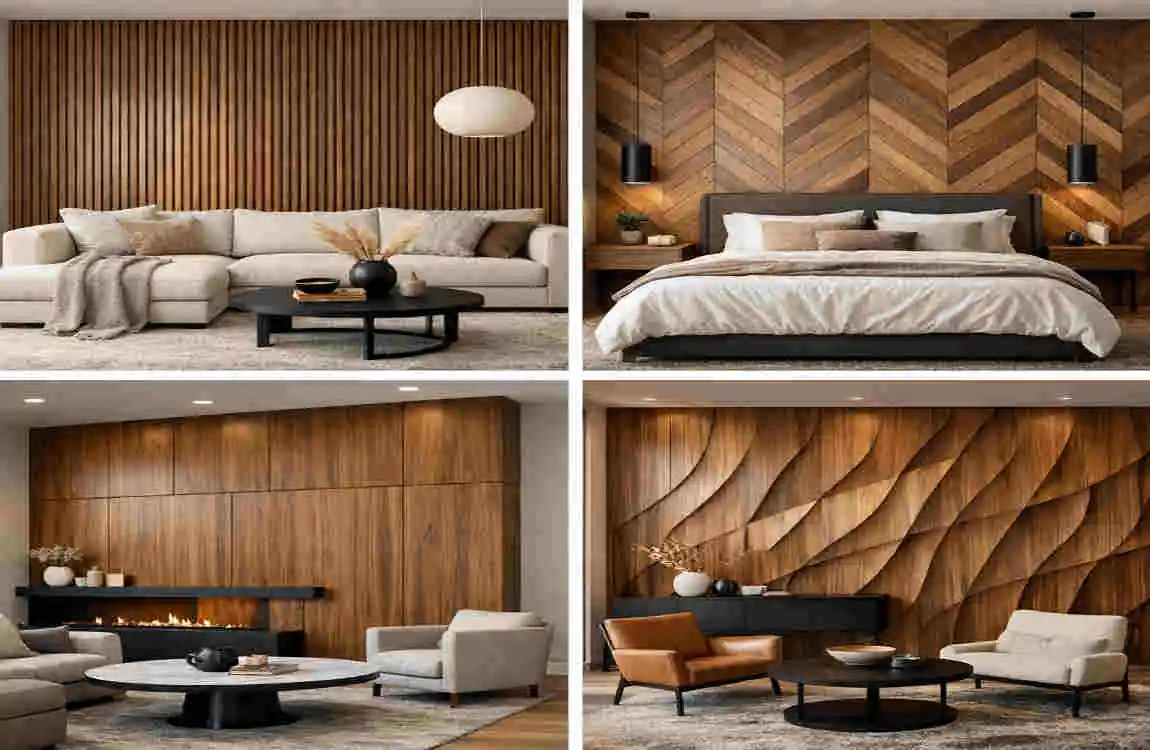
Rustic Wood Flooring on Walls Ideas
Rustic wood walls often look warm, natural, and a little imperfect in the best way. They may include reclaimed-style finishes, visible knots, and weathered texture.
This style works especially well in cabins, country homes, or rooms that need more personality. It brings a relaxed feeling into the space.
Modern Wood Wall Designs
Modern wood walls usually keep things cleaner. They may use horizontal or vertical plank layouts, smooth finishes, and simple colour tones.
These walls often pair nicely with white, gray, black, or stone surfaces. The result feels crisp and current.
Farmhouse Wood Wall Ideas
Farmhouse styles often use wide-plank looks, soft neutral colours, and comfortable furniture. The wood wall becomes part of a space that feels lived-in and friendly.
This style works well in kitchens, living rooms, and bedrooms where you want charm without too much formality.
Scandinavian-Inspired Designs
Scandinavian interiors often favour light oak, pale wood tones, and minimal decoration. The idea is to keep the space bright, open, and calm.
This style is a great match if you want a wood wall that feels airy rather than heavy.
Contemporary and Luxury Designs
Contemporary wood walls often use darker tones, geometric layouts, and polished finishes. They can feel dramatic and high-end when paired with marble, metal lighting, or clean furniture.
This look is especially strong in living rooms, dining rooms, and entry spaces where you want a more refined impression.
How to Install Wood Flooring on Walls
Choose the right material.
Not every flooring product works well on a wall. Before you begin, check that the product is suitable for vertical installation.
Some types are easier to work with than others. Lighter planks are often simpler, and products that click together or attach easily can save time.
Prepare the wall surface.
The wall should be clean, dry, and stable. Remove dust, loose paint, or anything that might stop the planks from sticking properly.
This step matters because a good install starts with a solid base. If the wall is uneven or damaged, the final look may suffer.
Measure and plan the layout.
Before attaching anything, measure the wall carefully. Plan where each row will go so the design feels balanced.
This is the stage where you decide whether you want the boards to run horizontally, vertically, or in a pattern like herringbone.
Attach the flooring properly.
Depending on the product and the wall, you may use adhesive, nails, or another fastening method. The safest method depends on the material and the wall surface.
Start the first row correctly. If the first row is uneven, the whole wall can look crooked by the time you finish.
Deal with corners and openings.
Outlets, windows, and doors need careful cutting and fitting. This is where patience matters most.
Trim pieces can help create a cleaner finish around edges and corners. They also make the wall look more polished.
Avoid common mistakes
Some of the most common mistakes include:
- Skipping wall preparation
- Using the wrong adhesive
- Starting without a level first row
- Choosing wood that is too heavy
- Ignoring moisture conditions
- Not planning around outlets or trim
If the wall is large or the material is expensive, professional installation may be the safer choice.
Maintenance, Cost, and Design Tips
Cleaning and care
Wood walls should be cleaned gently. A soft cloth or microfiber duster usually works well.
Avoid harsh cleaning products, especially if the wood has a delicate finish. Dusting regularly helps keep the wall looking fresh.
Protecting against moisture and fading
Moisture is one of the biggest concerns with wood on walls. This is especially true in kitchens, bathrooms, and basements.
Try to keep the wood away from direct water and high humidity. In rooms with a lot of sunlight, consider a finish that helps reduce fading over time.
Cost factors to think about
The cost of a wood wall depends on the wood type, finish, wall size, and whether you install it yourself or hire help.
Natural wood usually costs more than laminate. Custom layouts and detailed cuts can also raise the price.
Choose colors carefully
The wood wall colour should work with the rest of the room. If your furniture is dark, lighter wood may help balance the space.
If the room is already bright and simple, deeper wood tones can add contrast and depth.
Use lighting to highlight the wall.
Lighting can make a big difference. Wall sconces, spotlights, or soft overhead lighting can bring out the wood grain and texture.
Without good lighting, a wood wall may not stand out as much as it should.
Mix wood with other materials.
Wood looks even better when it is paired with paint, brick, stone, or wallpaper. That mix keeps the room from feeling too uniform.
A little contrast can make the design feel more complete and layered.
Keep the room from feeling too dark.
Dark wood can look beautiful, but too much of it can make a room feel heavy. If you use darker tones, balance them with light walls, bright fabrics, or reflective surfaces.
That keeps the space comfortable and from feeling closed in.
Think about sustainability
If you care about sustainability, look for responsibly sourced wood or recycled products. Engineered materials may also reduce waste in some projects.
Choosing durable materials is a smart long-term move because it means less replacement later.
FAQ About Wood Flooring on Walls Ideas
Can you put wood flooring on walls?
Yes, you can, as long as the material is suitable for wall use and the installation is done properly.
Is wood flooring good for accent walls?
Yes. Wood flooring can make an accent wall look warm, textured, and visually strong.
What type of flooring is best for a wood wall?
That depends on the room and budget. Natural wood, engineered wood, and some laminate products can all work well.
Can vinyl or laminate flooring be used on walls?
Yes, in many cases, but you must check the product for wall compatibility first.
Should wood flooring be installed vertically or horizontally?
Both can work. Horizontal layouts often feel wider, while vertical layouts can make a room feel taller.
How do you attach wood flooring to a wall?
Most installs use adhesive, nails, or a combination of both, depending on the product and wall type.
Is wood flooring on walls expensive?
It can be, but the cost depends on the material, wall size, and installation method.
Can wood flooring be used on bathroom walls?
Yes, but only with caution. Keep it away from direct moisture and use it in the right part of the room.
How do you clean wood flooring installed on walls?
Use a soft cloth or duster and avoid harsh cleaners.
Does wood flooring on walls make a room look smaller?
It can if the wood is very dark or used everywhere. Balanced lighting and lighter tones help prevent that.
What are the most popular wood wall design ideas?
Popular ideas include rustic reclaimed looks, modern horizontal planks, farmhouse feature walls, Scandinavian light wood, and contemporary dark wood walls.
Can you install wood flooring over drywall?
Yes, in many cases, you can install it over drywall if the wall is prepared correctly and the fastening method is appropriate.
| Idea / Feature | Benefits | Design Use |
|---|---|---|
| Accent Wood Wall | Adds warmth and character | Living room or bedroom |
| Reclaimed Wood | Creates a rustic look | Farmhouse or vintage interiors |
| Light Wood Panels | Makes rooms feel brighter | Small bedrooms or offices |
| Dark Wood Flooring | Adds a rich, luxury feel | Feature walls and TV walls |
| Horizontal Wood Planks | Makes walls look wider | Living rooms and hallways |
| Vertical Wood Planks | Creates a taller appearance | Bedrooms and entryways |
| Herringbone Wood Wall | Adds visual interest | Modern feature walls |
| Wood Behind the TV | Creates a stylish focal point | Media or entertainment rooms |