Urban landscapes are evolving at an unprecedented pace, and the rise of high-rise buildings is reshaping how we define modern living, 20-floor buildings have emerged as the sweet spot for luxury high-rises, offering a perfect balance between opulence, practicality, and sustainability. With cities like and Karachi embracing vertical living, understanding the dimensions, engineering, and lifestyle benefits of 20-floor residential towers is more relevant than ever.
What is the 20 Floor Building Height? Key Dimensions Explained
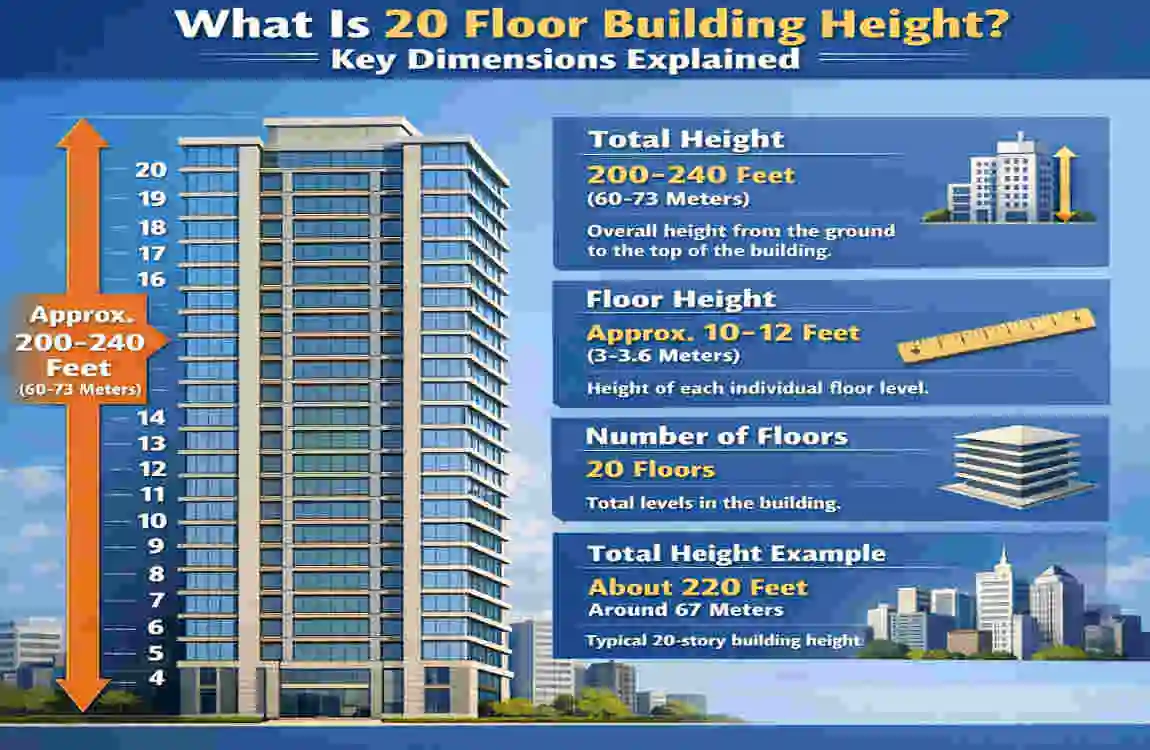
Standard Height Calculations for 20-Floor Residential Towers
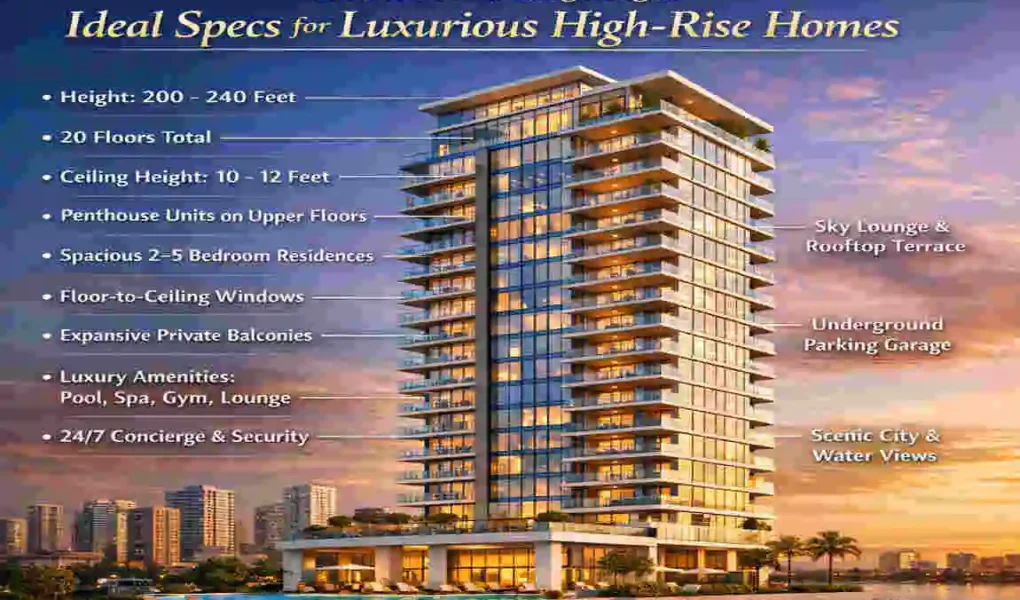
When discussing the height of a 20-floor building, it’s essential to consider the average floor height. Typically, residential floors range from 3.2 to 3.5 meters (10.5 to 11.5 feet). This means a 20-floor building would measure approximately 64 to 70 meters (210 to 230 feet) in overall height, excluding the roof or any spires.
This height is ideal for residential projects because it strikes a balance between offering breathtaking views and maintaining a manageable scale for construction, maintenance, and safety. Here’s a quick comparison of heights for different types of buildings:
Building Type Average Floor Height Total Height for 20 Floors
Residential Building 3.2 – 3.5m 64 – 70m
Commercial Building 4 – 5m 80 – 100m
As seen, residential buildings are slightly shorter per floor due to differences in structural and utility requirements.
Why 20 Floors Hits the Luxury Sweet Spot (Not Too Tall, Not Too Short)
A 20-floor building offers unique advantages for urban dwellers. It avoids the overwhelming scale of 50+ floor skyscrapers while still retaining the prestige and panoramic views of high-rise living. Here are some key benefits:
- Panoramic views: Residents on higher floors enjoy unobstructed cityscapes, sunsets, and even distant skylines.
- Prestige and exclusivity: Mid-rise towers are often associated with upscale living, offering spacious apartments and Premium amenities.
- Convenience: With a moderate height, elevators and vertical transport systems remain efficient, reducing wait times.
- Cost-efficient construction: Compared to taller skyscrapers, 20-floor buildings are more affordable to construct and maintain.
While taller towers may face challenges such as wind resistance and extended evacuation times, 20-floor buildings offer a middle ground between comfort and luxury.
Engineering Marvels: Structural Specs for a Safe 20 Floor Building Height
Core Materials and Load-Bearing Designs for High-Rise Homes
Building a 20-floor residential tower requires cutting-edge engineering to ensure safety, durability, and sustainability. The primary materials used include:
- Reinforced concrete: Known for its strength and fire resistance, it’s the most common material for residential high-rises.
- Steel frames: Often used in combination with concrete, steel offers flexibility and resilience against forces such as wind and earthquakes.
To withstand the forces at a height of 70 meters, structural designs often incorporate:
- Wind-resistant frameworks: Aerodynamic shapes and dampers minimize wind loads.
- Load distribution systems: Core walls and columns evenly distribute weight, ensuring stability.
For example, emerging high-rises showcase these advanced techniques, blending safety with aesthetic appeal.
Elevator Systems and Vertical Transport in 20-Floor Luxury Residences
Efficient vertical transport is critical in a 20-floor building. Here’s how modern elevator systems enhance convenience and safety:
- High-speed elevators: Moving at speeds of 1.5 to 2.5 meters per second, these elevators minimize wait times.
- Smart technology: Features like destination dispatch systems group passengers headed to the same floors, reducing stops and enhancing efficiency.
- Safety measures: Emergency brakes, backup power systems, and earthquake-resistant designs ensure peace of mind.
In a 20-floor building, at least 3-4 elevators are typically installed, including one dedicated for service use. This ensures smooth movement for both residents and maintenance staff.
Design Features That Make a 20 Floor Building Height Luxurious
Floor Plans and Layouts Optimized for 20-Floor Towers
Luxury begins with well-planned interiors. 20-floor buildings cater to diverse lifestyles with configurations like:
- 3-5 BHK apartments: Spacious units with ample natural light and ventilation.
- Open-plan layouts: Higher floors often feature expansive living areas with seamless transitions between rooms.
Residents on the top floors enjoy exclusive perks, such as private terraces or double-height ceilings, making these apartments even more desirable.
Amenities in High-Rise Homes: Pools, Gyms, and Sky Lounges
One of the standout features of 20-floor buildings is their world-class amenities. Here’s what you can typically expect:
- Rooftop infinity pools: Swim with a view of the entire city.
- Sky lounges: Perfect for hosting gatherings or enjoying peaceful evenings.
- Private gyms and spas: Offering convenience and exclusivity.
These amenities elevate the lifestyle experience, making each day feel like a retreat.
Sustainable Tech: Solar Panels and Green Features at 70m Heights
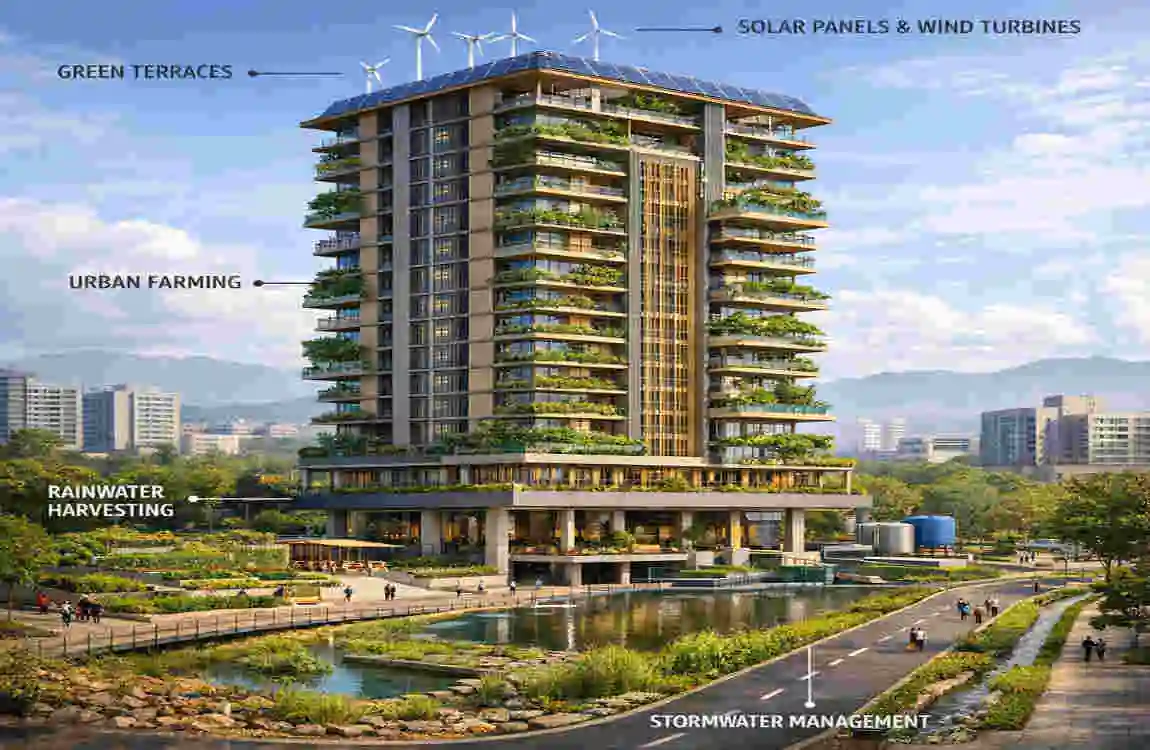
As sustainability becomes a priority, 20-floor buildings integrate eco-friendly technologies, such as:
- Solar panels: Installed on rooftops to harness renewable energy.
- Rainwater harvesting systems: Collect and filter rainwater for reuse.
- Energy-efficient glazing: Reduces heat transfer, lowering cooling costs.
These features not only reduce environmental impact but also enhance property value, especially in markets like where green living is gaining traction.
Real-World Examples: Iconic 20 Floor Building Height Projects
Global Case Studies of Luxurious 20-Floor Residential Towers
Across the globe, 20-floor buildings have redefined luxury living. Some notable examples include:
- Dubai’s mid-rise towers are known for their sleek designs and Premium amenities.
- Singapore’s eco-friendly residences: Combining vertical gardens and sustainable materials for a greener lifestyle.
Cost Breakdown: Building and Owning a 20 Floor Building Height Home
Construction Costs Per Floor for High-Rise Luxury Specs
The cost of constructing a 20-floor building varies based on materials, design, and location. On average:
- Cost per floor: Rs. 50-80 million.
- Total cost: Rs. 1.2 to 1.6 billion for a 20-floor tower.
ROI and Property Value Surge in 20-Floor Developments
Investing in high-rise properties is lucrative, with rental yields ranging from 8-12% and significant resale premiums for top floors. These towers are ideal for long-term wealth building.
FAQ: Quick Answers on 20 Floor Building Height
- What is the average 20-floor building height?
- Approximately 64-70 meters (210-230 feet).
- How much does a 20-floor luxury home cost?
- Between Rs. 1.2 to 1.6 billion, depending on specifications.
- What are the best floors for views in a 20-floor building?
- Floors 15-20 typically offer the most panoramic views.
- What amenities can I expect in a 20-floor high-rise?
- Rooftop pools, sky lounges, private gyms, and more.