When it comes to residential plumbing, choosing the right material for your pipes is crucial. If you’ve ever wondered, “What metal is used for pipes in plumbing in a house?”, you’re not alone. Many homeowners face this question, especially when dealing with leaks or planning upgrades. Among various options, copper remains the most trusted and widely used material for plumbing pipes in 2026.
Copper has long been the answer for millions of homeowners. Its durability, safety, and eco-friendly nature have made it the preferred choice for decades. As older homes age and newer homes get built with sustainability in mind, interest in the materials used for plumbing has surged.
History of Plumbing Metals in Homes
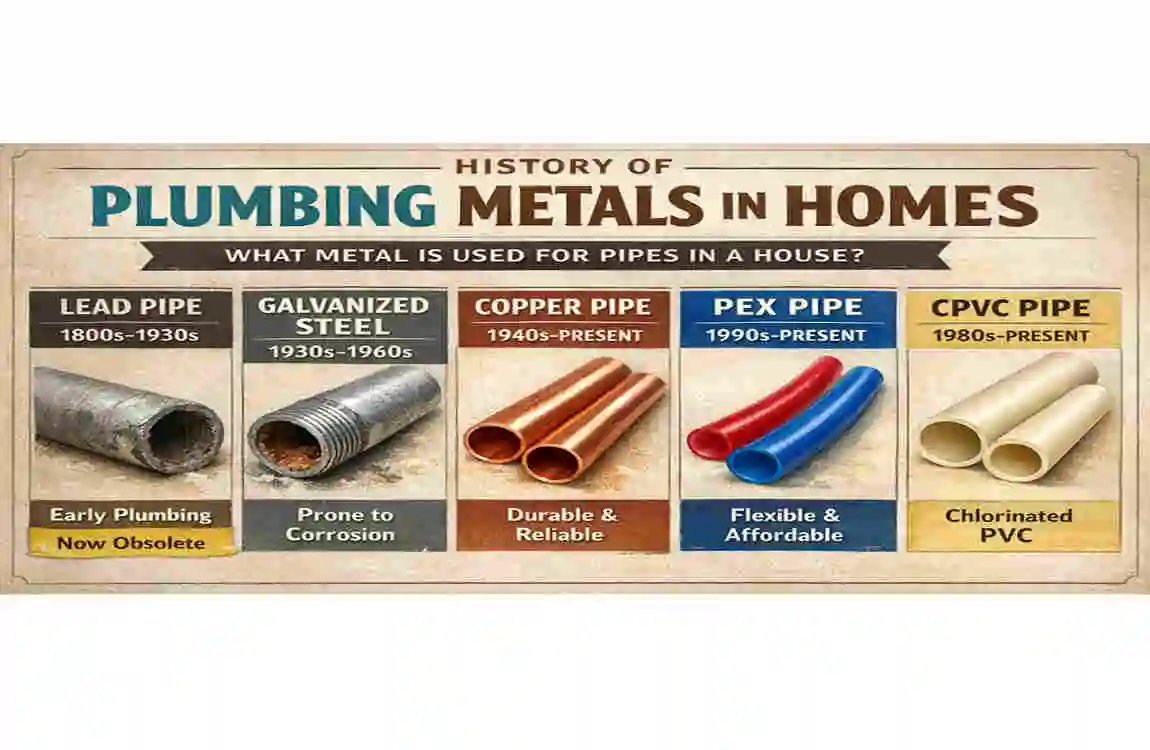
Plumbing has evolved significantly over the years. Understanding its history helps explain why copper emerged as the top choice.
Early Plumbing Materials
- Lead Pipes: In ancient times, lead pipes were the norm. Romans used lead extensively due to its malleability, but its toxicity wasn’t understood until much later. Today, lead is banned due to health risks.
- Galvanised Steel: In the early 20th century, galvanised steel replaced lead in many homes. While strong, it was prone to rusting internally, leading to reduced water flow and contamination.
- Cast Iron: Used primarily for drainpipes, it is durable and helps minimise noise. However, its weight and difficulty to install limited its use.
The Rise of Copper
Post-World War II, copper became the leading material for plumbing pipes. Why? Copper is lightweight, corrosion-resistant, and long-lasting, making it ideal for residential use. It quickly became the industry standard and remains so to this day.
Modern Shifts: PEX and Plastic
In recent years, alternatives such as PEX (cross-linked polyethene) have emerged as cost-effective and flexible options. Despite this, metals like copper continue to dominate due to their unmatched durability and safety.
What Metal Is Used for Pipes in Plumbing in a House?
Let’s tackle the core question: What metal is used for pipes in plumbing in a house? The answer largely depends on the house’s age, budget, and region. However, copper stands out as the undisputed leader.
Copper’s Dominance
Copper pipes are used in over 70% of U.S. homes today. Here’s why:
- Corrosion Resistance: Copper doesn’t rust, ensuring a longer lifespan.
- Antibacterial Properties: Copper inherently kills bacteria, keeping water safe to drink.
- Durability: It can handle high pressure and temperature, making it perfect for both hot and cold water lines.
Other Metals in Plumbing
While copper is the go-to choice, other metals are still found in homes:
- Galvanised Steel: Common in older homes, but phased out due to rust issues.
- Stainless Steel: Rare but used in high-end installations for its sleek appearance and corrosion resistance.
- Cast Iron: Primarily used for sewer and drain lines due to its ability to dampen sound.
Comparison of Plumbing Materials
Metal Common Use in Houses Lifespan Cost (per ft) Pros Cons
Copper Water supply 50-70+ years $2-5 Durable, recyclable Theft risk, expensive
Galvanised Steel Older supply lines 20-50 years $1-3 Initially affordable Rusts internally
Stainless Steel High-end fixtures 50+ years $5-10 Corrosion-proof Expensive installation
Cast Iron Drains/sewers 50-100 years $3-6 Quiet water flow Heavy, hard to cut
Why Copper Rules Home Plumbing
So, what makes copper the reigning champion of plumbing metals? Here are its standout benefits:
Durability
Copper pipes can withstand pressures of up to 200 psi and high temperatures without deforming or failing. This makes them ideal for both hot and cold water systems.
Health and Safety
Unlike some materials, copper is naturally antibacterial. It prevents the growth of harmful microbes, ensuring your drinking water remains safe.
Eco-Friendliness
Copper is 100% recyclable and has a long lifespan, reducing waste. In today’s eco-conscious world, this is a major advantage.
Aesthetic Appeal
In modern homes with exposed plumbing, copper’s sleek, shiny appearance adds a touch of elegance.
Pros and Cons of Copper
Pros:
- Long lifespan (50-70+ years)
- Resistant to corrosion
- Safe for drinking water
- Recyclable and eco-friendly
Cons:
- High upfront cost
- Vulnerable to theft due to its value
- Requires skilled labour for installation
Installation and Cost Guide for Homeowners
If you’re considering installing copper pipes, here’s what you need to know.
Steps for Installation
- Inspect Existing Pipes: Determine if your current system needs replacement.
- Hire a Professional: Copper pipe installation requires specialised tools and permits.
- Plan the Layout: Ensure proper routing of hot and cold water lines.
- Installation: Professionals use tools like pipe cutters and soldering equipment to install copper pipes securely.
Costs
The cost of installing copper pipes varies depending on the size of your home:
- Average Cost: $5,000-$15,000 for a full-house repipe.
- Regional Factors: Areas with extreme temperatures may require additional insulation, which can increase costs.
Maintenance and Troubleshooting Copper Pipes
Proper maintenance ensures your copper pipes last their full lifespan.
Maintenance Tips
- Insulation: Prevent freezing by insulating pipes in colder climates.
- Annual Inspections: Check for leaks, corrosion, or discolouration in water.
- Address Small Issues Promptly: Fix pinhole leaks with epoxy or replace small sections if needed.
Alternatives to Copper in 2026 Homes
While copper is the gold standard, other materials are gaining traction:
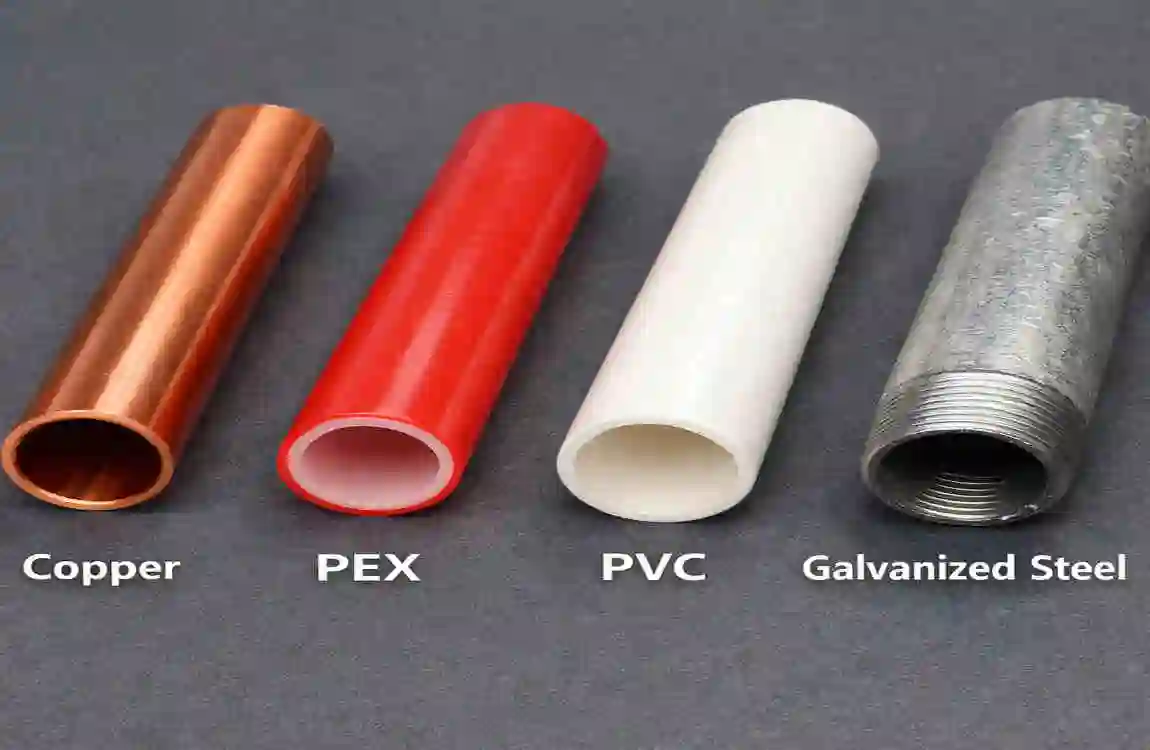
- PEX: A flexible and affordable plastic option.
- CPVC: A fire-resistant plastic alternative.
- While these materials are cheaper, metals like copper still excel in durability and heat resistance.
Future Trends: Metals in Smart Homes
Looking ahead, copper is evolving to meet the demands of smart homes. Innovations include:
- IoT Sensors: Copper pipes integrated with leak-detection sensors.
- Sustainable Alloys: New materials combining copper with eco-friendly alloys.
FAQs
What metal is used for pipes in plumbing in a house today?
Copper is the most common metal, used in over 70% of homes.
Is copper safe for drinking water?
Yes, copper is naturally antibacterial and safe for drinking water.
How does PEX compare to copper in cost?
PEX is cheaper upfront but lacks copper’s durability and heat resistance.