Choosing a roof color may seem like a small detail, but it can change the whole look of your home. The right color can make your house feel fresh, balanced, and well-designed. It can also affect how much heat your home absorbs, which matters for comfort and energy use.
If you have ever wondered why roofs aren’t painted white, you are not alone. White roofs can reflect sunlight and help with cooling, but they are not always the first choice for homeowners. Style, maintenance, climate, and neighborhood rules all play a big role.
Why Roof Color Matters
Impact on Home Appearance
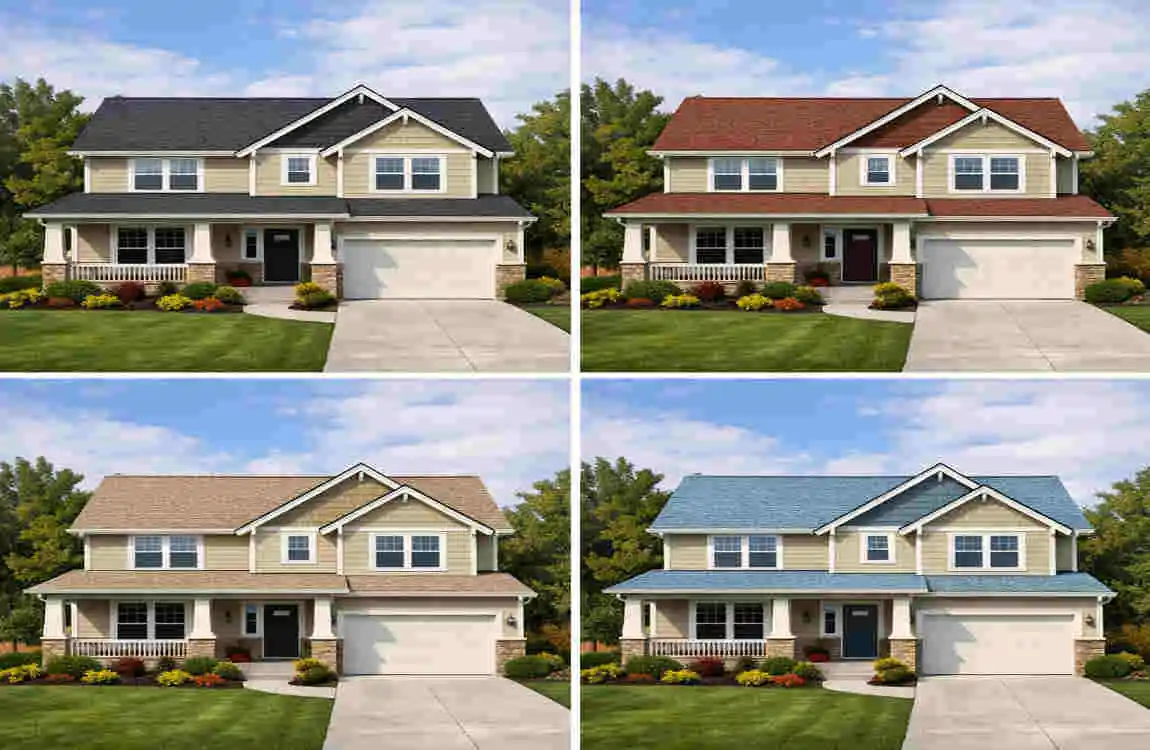
Roof color is one of the first things people notice from the street. It helps shape your home’s style and gives the exterior a finished look. A roof that complements the siding, brick, or stone can make the house look polished and well-planned.
For example, a dark roof often looks bold and classic, while a lighter roof can feel softer and more relaxed. The right choice depends on the image you want your home to project.
Influence on Property Value
A good roof color can support resale value. Buyers often notice the roof before they notice smaller details. If the color looks clean, balanced, and timeless, it can create a strong first impression.
A color that feels outdated or too unusual may not appeal to as many buyers. That is why many homeowners choose neutral roof colors for a safe, long-term option.
Energy Efficiency Considerations
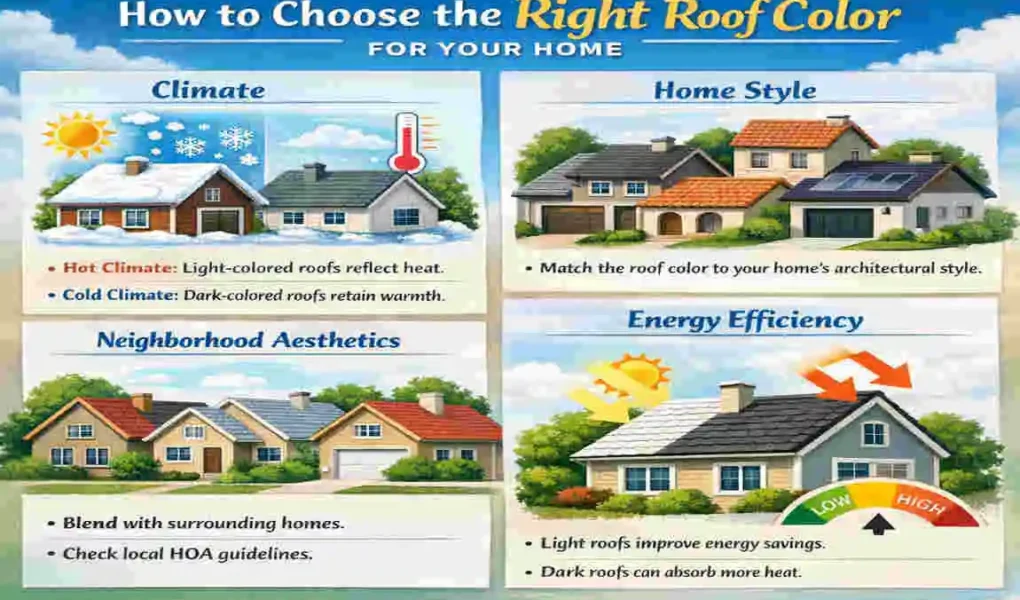
Roof color can affect how much heat enters your home. Dark roofs absorb more heat, while light roofs reflect more sunlight. This can matter a lot in hot weather.
If you live in a warm area, a lighter roof may help lower cooling costs. In colder regions, a darker roof may be more useful because it absorbs warmth. The best choice often depends on your local climate.
Why Aren’t Roofs Painted White?
The Benefits of White Roofs
White roofs are good at reflecting sunlight. That means they can keep a home cooler and reduce the need for air conditioning. This is one reason they are popular in very hot places.
They can also support energy savings over time. If your area gets strong sun for much of the year, a white or very light roof can be a smart, practical choice.
Reasons Most Homeowners Avoid White Roofs
Even with those benefits, many homeowners still ask why roofs aren’t painted white more often. The main reason is simple: white roofs can be harder to keep looking clean.
Dirt, pollen, stains, and weather marks show up more easily on white surfaces. That means the roof may need more cleaning and care. Some homeowners do not want that extra work.
Another reason is style. White roofs do not fit every home. They can look too bright on some designs, especially traditional homes or homes with darker siding.
There are also weather concerns. In areas with frequent rain, dust, falling leaves, or heavy storms, a white roof may lose its fresh look faster. Some homeowners prefer a color that hides wear better.
White Roofs vs. Dark Roofs
Here is a simple comparison:
Roof Color: Main Benefits, Main Drawbacks
White/ light Roofs Reflect heat, lower cooling costs, and are good for hot climates. Shows dirt easily, may need more upkeep.
Dark Roofs: Classic look, hides stains better, often suits many home styles. Absorbs more heat, potentially increasing cooling needs.
In short, white roofs are practical in hot climates, but dark roofs often win when style, flexibility, and low maintenance matter more.
Factors to Consider When Choosing a Roof Color
Your Home’s Exterior Color
Your roof should work with the rest of your home, not fight against it. Look at your siding, brick, stone, trim, and shutters. A roof color that blends well with those elements will look more natural.
For example, a house with warm beige siding may look best with brown or charcoal tones. A gray exterior often pairs well with black, slate, or medium gray roofing.
If your home already has strong visual details, choose a roof color that complements them rather than competing with them.
Architectural Style
Different home styles often look better with different roof colors.
- Traditional homes often suit charcoal, gray, or brown roofs.
- Modern homes usually look good with clean, dark, or cool-toned roofs.
- Farmhouse and cottage designs may work well with softer gray, weathered brown, or even light neutral tones.
The roof should feel like part of the design, not an afterthought. When the style and color match, the whole home looks more complete.
Local Climate
Climate matters more than many people think.
- Hot regions: Light colors like white or pale gray, or reflective finishes, can help reduce heat.
- Cold regions: Darker colors can absorb more warmth and may feel more suitable.
- Mixed climates: Neutral tones such as gray, brown, or charcoal often work best because they balance appearance and performance.
If your climate changes a lot through the year, pick a roof color that looks good in every season.
Neighborhood Trends and HOA Rules
Your roof does not exist in isolation. It also needs to fit your neighborhood. Some communities have homeowner association rules that limit roof colors.
Even without formal rules, it is smart to consider nearby homes. If every roof around you is dark gray or brown, a bright white roof may stand out too much. That can be good or bad depending on your goal.
If resale matters to you, neutral and widely accepted colors are usually the safest choice.
Quick checklist for choosing a roof color
- Match the roof with your home’s main exterior tones
- Think about heat, sun, and weather in your area
- Check HOA or neighborhood rules
- Choose a color with long-term appeal
- Make sure the look feels balanced from the street
Popular Roof Color Options and Their Benefits
Black and Charcoal
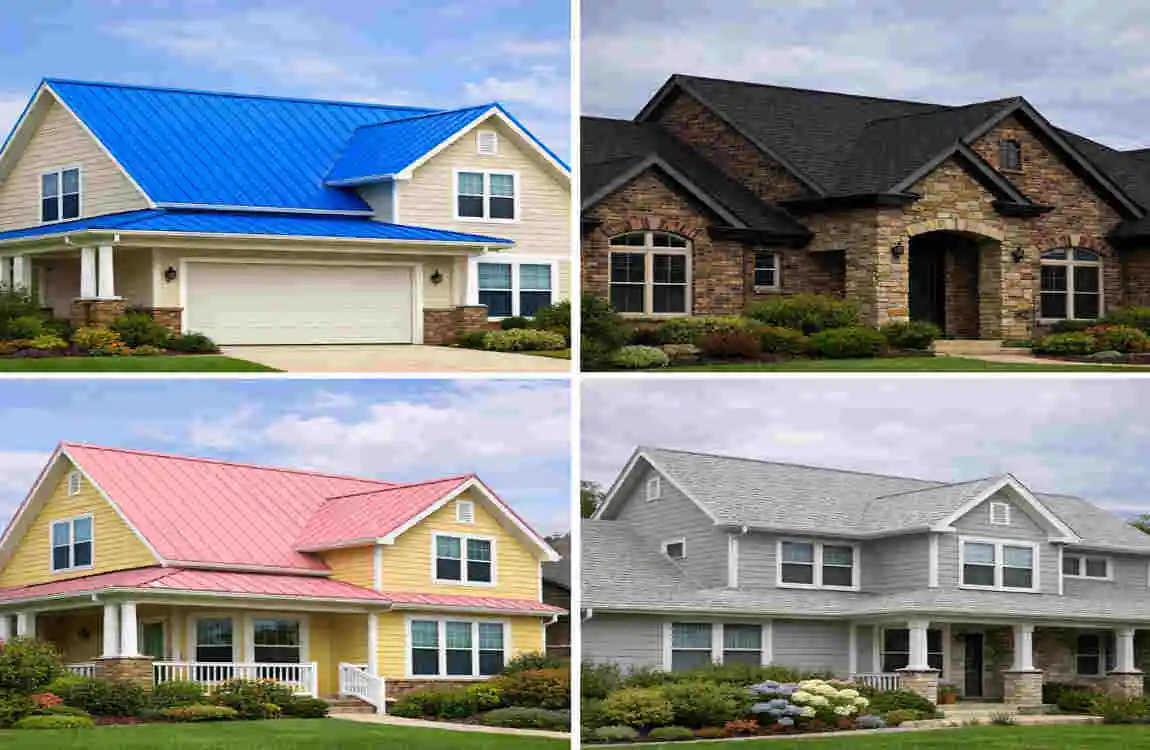
Black and charcoal roofs are timeless. They create a strong contrast and often make a home look sharp and elegant. These colors work especially well on white, light gray, or brick homes.
They are also popular because they hide aging and slight stains fairly well. If you want a bold but safe look, this is a strong option.
Gray
Gray is one of the most flexible roof colors. It works with many exterior shades and fits both modern and traditional homes.
Light gray can feel softer and brighter, while darker gray gives a more grounded look. If you want a roof color that is easy to live with, gray is often a smart choice.
Brown and Earth Tones
Brown roofs create a warm, natural look. They often blend nicely with tan, cream, wood, and stone exteriors.
These colors are a good fit if you want your home to feel cozy and connected to the landscape. They are also a common choice for rustic and classic homes.
Red and Terracotta
Red and terracotta roofs are most common on Mediterranean, Spanish, or Southwestern-style homes. They add personality and a strong visual identity.
These colors are not as universal as gray or black, but when used in the right setting, they can look beautiful and distinctive.
White and Light-Colored Roofs
White and light-colored roofs are best when heat control is the priority. They work well in very sunny climates and can help keep interiors cooler.
Still, they need more care and may not suit every design. That is why many people ask why roofs aren’t painted white more often. The answer is usually about upkeep and style, not performance alone.
Common Roof Color Mistakes to Avoid
Ignoring Climate Conditions
A roof color that looks great in one region may not work well in another. A dark roof in a hot climate can increase cooling costs. A very light roof in a rainy area may need extra maintenance.
Always think about how your climate affects both comfort and appearance.
Following Trends Blindly
Trends come and go. A color that feels fashionable today may look dated in a few years. If you want lasting value, choose a color with long-term appeal.
Choosing a Color That Clashes with Exterior Elements
A roof that clashes with your siding, trim, or brick can make the whole house feel disjointed. Always compare samples with your actual exterior colors in daylight.
Overlooking Future Maintenance
Some roof colors hide dirt better than others. If you do not want to clean or maintain the roof often, avoid very light shades unless they are truly the right fit for your home.
Expert Tips for Selecting the Perfect Roof Color
Start with samples. Look at them outside, not just in a catalog. Light changes everything.
Use digital visualization tools if you can. They help you see how the roof may look with your home’s exterior.
Think long term. Ask yourself whether the color will still look good in ten years.
And if you feel unsure, talk to a roofing professional. A good expert can help you match color, material, climate, and style.
FAQs
Q: Why aren’t roofs painted white?
White roofs reflect heat well, but many homeowners avoid them because they show dirt easily, need more maintenance, and may not suit every home style.
Q: Do white roofs save energy?
Yes. White roofs can reduce cooling costs by reflecting more sunlight and absorbing less heat.
Q: What is the best roof color for hot climates?
White, light gray, and other reflective colors are often best for hot climates.
Q: What roof color adds the most resale value?
Neutral colors like gray, black, and brown usually appeal to the widest range of buyers.
Q: Should roof color match house color?
It should complement the house, not exactly match it. A balanced contrast usually looks best.
| Factor | What to Consider | Best Roof Color Choices |
|---|---|---|
| Home Exterior Color | Match or complement siding, brick, or paint colors. | Gray, black, brown, or charcoal for most homes. |
| Climate | Light colors reflect heat; dark colors absorb heat. | Light gray, beige, or white for hot climates; dark gray or black for cooler areas. |
| Architectural Style | Choose a color that suits the home’s design. | Black for modern homes, brown for rustic styles, slate gray for traditional homes. |
| Neighborhood Appearance | Ensure the roof blends with nearby homes and HOA rules. | Neutral shades like gray, brown, and charcoal. |
| Home Size | Dark roofs can make large homes appear smaller; light roofs can make homes look larger. | Light colors for small homes, darker tones for large homes. |
| Energy Efficiency | Reflective roofs can reduce cooling costs. | White, light gray, or cool-roof colors. |
| Resale Value | Neutral roof colors appeal to more buyers. | Charcoal, black, gray, and brown. |
| Landscaping | Consider trees, gardens, and surrounding scenery. | Earth tones such as brown, green, or weathered wood colors. |