
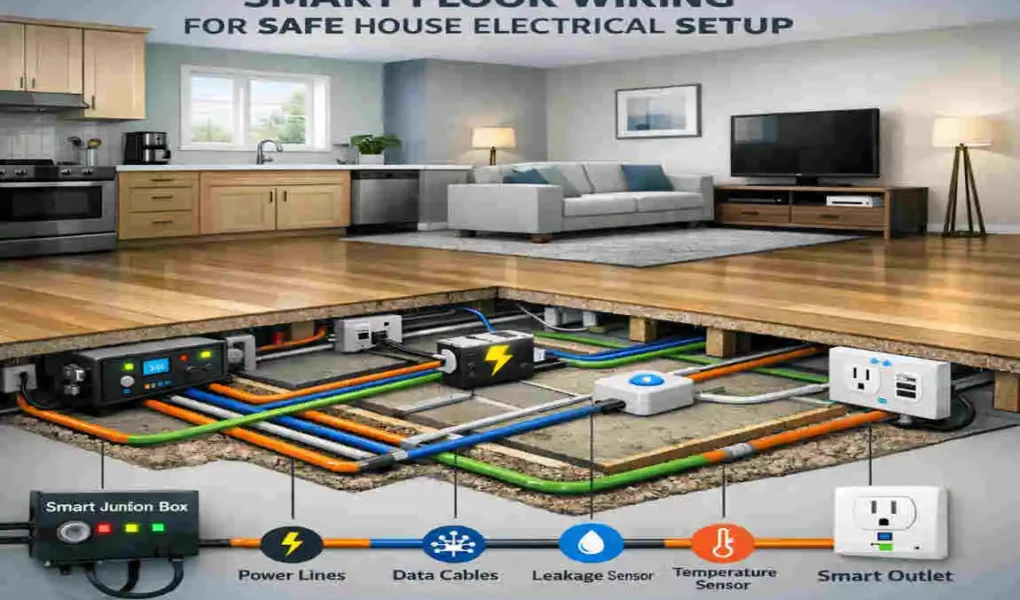
Floor wiring at home is a modern way to keep electrical cables hidden and protected under the floor. Instead of running wires openly on walls, electricians place them inside safe conduits below the flooring. This creates a cleaner look, helps reduce damage, and supports a safer home.
Many homeowners now prefer this setup because it fits well with modern interiors, smart home devices, and better electrical planning. It also makes rooms look neat, with fewer visible wires and less clutter.
What Is Floor Wiring?
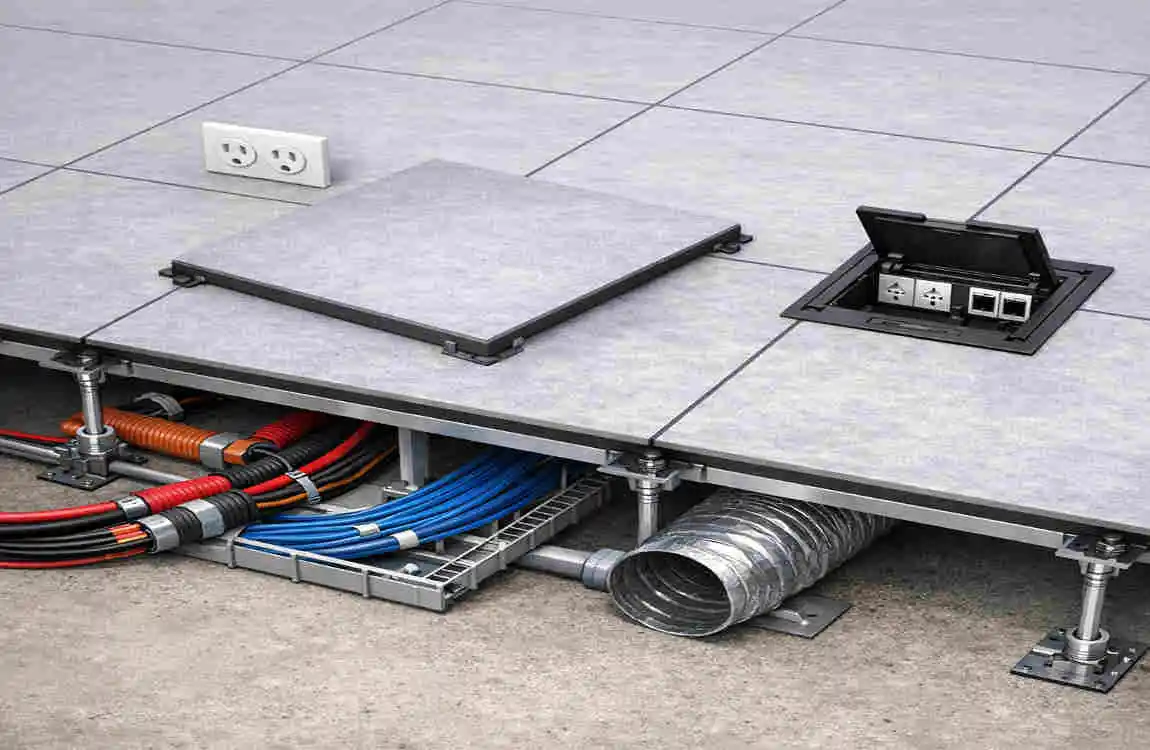
Floor wiring refers to placing electrical lines beneath the floor in protective pipes or conduits. These wires connect lights, sockets, fans, and other home appliances in a safe and organised way.
It differs from wall wiring because the cables are not exposed on walls or ceilings. Instead, they remain concealed beneath the flooring, adding both safety and style to the home.
Why Floor Wiring Is a Smart Choice
Floor wiring offers several simple but important benefits:
- Better safety: Hidden wires are less likely to be damaged.
- Cleaner appearance: No messy wires on walls or near corners.
- Long-term strength: Protected wiring usually lasts longer.
- Smart home ready: It works well with automation, sensors, and modern devices.
Floor Wiring vs Traditional Wiring
FeatureFloor WiringTraditional Wall Wiring
Appearance Hidden and neat More visible
Safety Better protection from damage More exposed to wear
Installation needs careful planning. Usually simpler
Smart home support Excellent Good, but less flexible
Basic Installation Process
Before the flooring is installed, the electrician carefully plans the wiring layout. The routes are marked, and PVC conduits are placed in the floor. Then the wires are pulled through these pipes and connected to the main electrical board.
After installation, the system is tested for safety, load capacity, and proper grounding. This step is very important because it helps prevent future problems.
Safety Tips for Floor Wiring
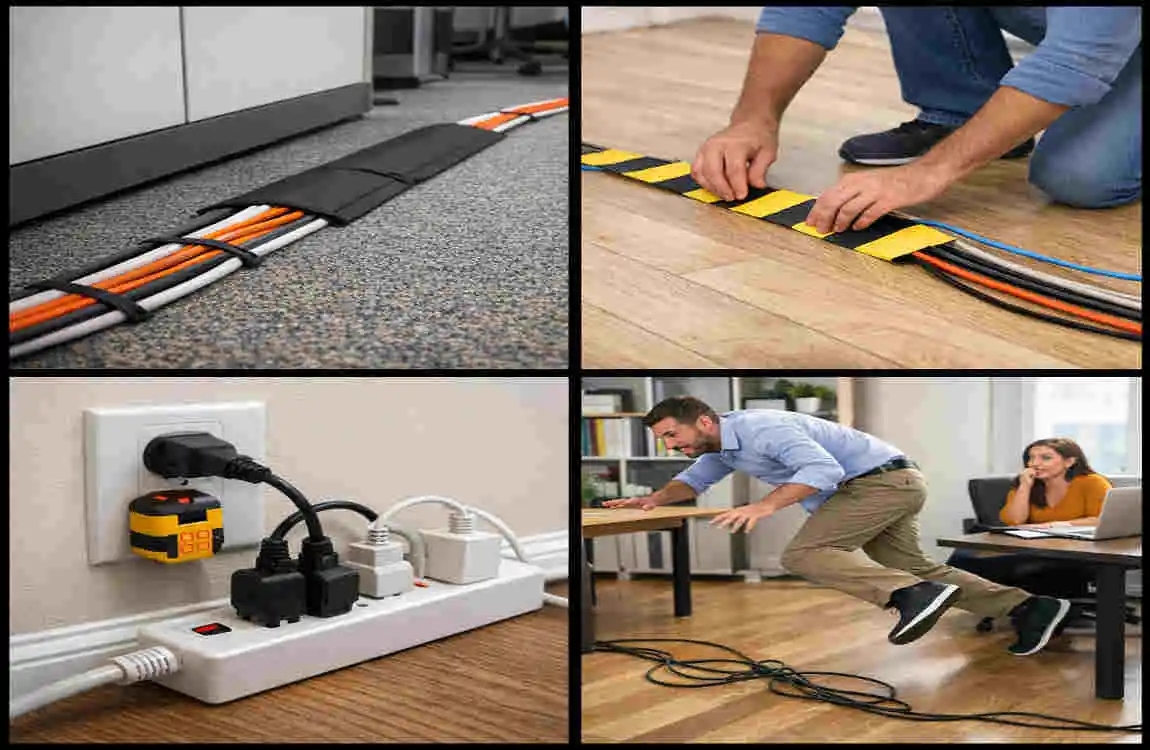
To keep floor wiring at home safe, always follow these key points:
- Use high-quality copper wires
- Choose proper insulation materials
- Avoid overloading circuits
- Keep wiring away from water-prone areas
- Hire a certified electrician for the job
These small steps help protect your home from shocks, short circuits, and other electrical issues.
Common Mistakes to Avoid
Some homeowners make avoidable mistakes during floor wiring installation. The most common ones are poor planning, low-quality materials, and skipping earthing. Another mistake is sealing the conduits badly, which can cause damage later.
Good planning saves time, money, and stress. It also makes future maintenance much easier.
FAQ
What is floor wiring at home?
It is a concealed electrical system installed beneath the floor, protected by protective conduits.
Is floor wiring safe for homes?
Yes, it is safe when installed correctly with proper insulation and grounding.
Does floor wiring cost more?
It usually costs more at first, but it can save money on repairs and maintenance later.
Can it support smart home systems?
Yes, it is ideal for smart lighting, automation, and hidden device connections.
How long does floor wiring last?
With good materials and proper care, it can last many years.
| Component | Purpose | Safety Benefit | Key Tip |
|---|---|---|---|
| Floor Conduits | Protect electrical wires running under floors | Prevents wire damage and fire risk | Use PVC or metal conduits |
| Junction Boxes | Connect and distribute wiring safely | Reduces loose connections | Keep accessible for inspection |
| Smart Sensors | Detect load, heat, or faults | Early warning for electrical issues | Install in high-load areas |
| Circuit Breakers | Automatically cut power during overload | Prevents electrical fires | Use correct rating for each room |
| Earthing System | Grounds electrical leakage safely | Protects from electric shock | Ensure proper grounding depth |
| Floor Access Panels | Provide entry to hidden wiring | Easier maintenance and repairs | Place in strategic locations |
| Cable Insulation | Covers and protects wires | Reduces short circuits | Use heat-resistant insulation |