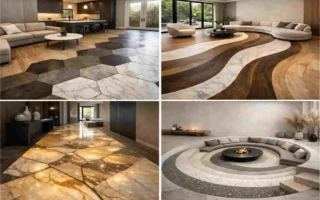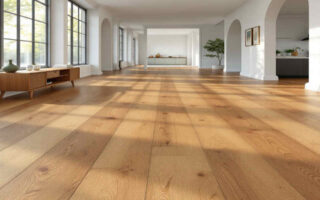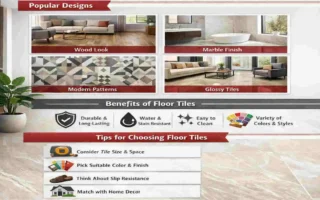
Flooring does a lot more than cover the ground under your feet. It shapes how your home looks, feels, and performs every single day. The right floor can make a room feel warmer, brighter, cleaner, and easier to live in.
If you have ever wondered what the four main types of flooring are, the answer is simple: hardwood, laminate, tile, and vinyl. These are the most common choices in many homes, and each one brings its own strengths.
Your best choice depends on your budget, how you use the room, your style preferences, and how much care you want to give the floor. A busy kitchen needs something different from a quiet bedroom. A home with pets may also need different flooring than one without them.
Understanding the Four Main Types of Flooring
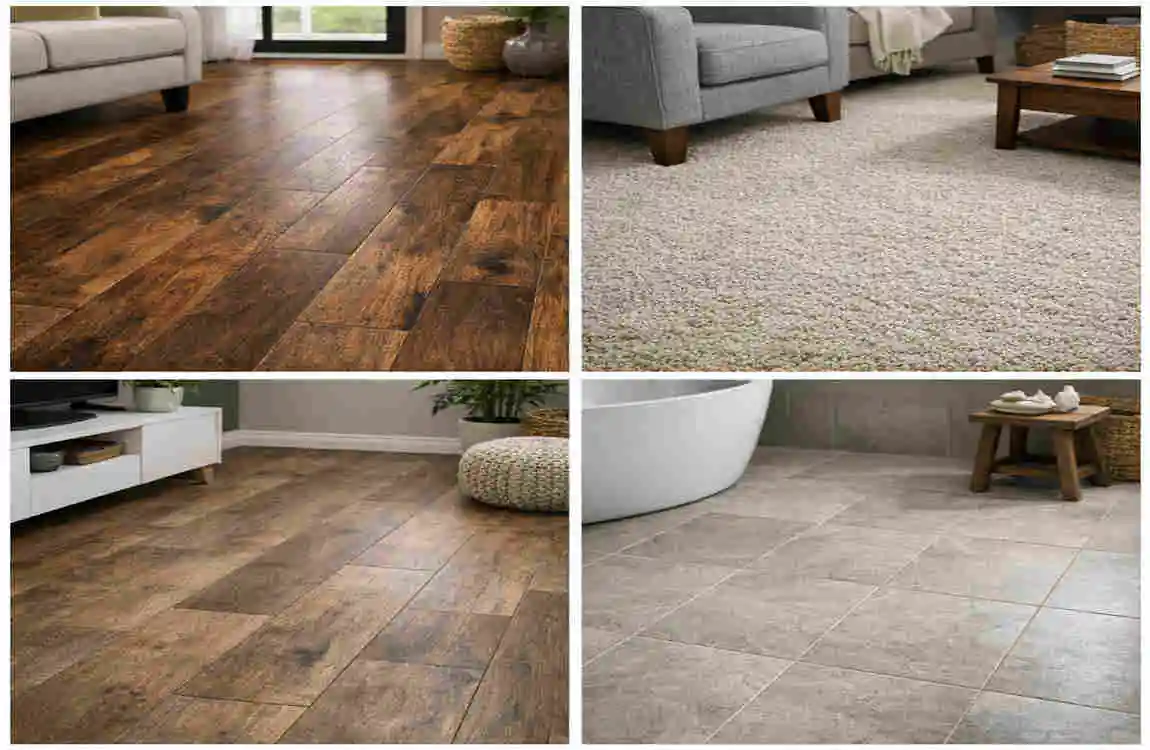
What are the four main types of flooring?
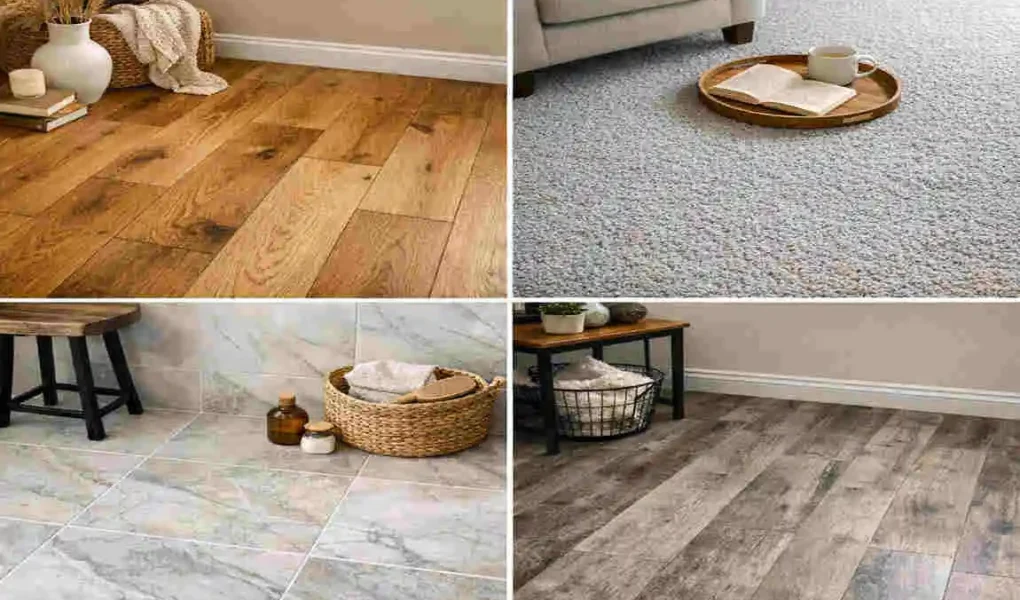
The four main types of flooring are hardwood, laminate, tile, and vinyl. Each one serves a different purpose and gives your home a different look and feel.
Hardwood is made from real wood. Laminate is a layered floor that copies the look of wood. Tile is usually made from ceramic or porcelain and works well in wet areas. Vinyl is a flexible, practical option that can mimic wood or stone while staying comfortable and water-resistant.
Why flooring choice matters
Flooring affects more than style. It influences comfort, cleaning, durability, and long-term value. A beautiful floor can improve a room’s mood, but it also needs to handle real life.
If you have children, pets, or heavy foot traffic, durability becomes very important. If you want a softer feel underfoot, comfort matters more. If you live in a humid area, moisture resistance may be the deciding factor.
The main factors to compare
Before choosing a floor, it helps to think about a few key points:
- Durability: How well will it hold up over time?
- Maintenance: How much cleaning and care does it need?
- Moisture resistance: Can it handle water or humidity?
- Cost: What do the material and installation cost?
- Style: Does it match your home’s overall look?
When you compare these factors honestly, it becomes much easier to choose the right flooring for each room.
Hardwood Flooring: Natural Beauty and Lasting Appeal
What hardwood flooring is
Hardwood flooring is made from real wood, and that is one of the reasons people love it so much. It brings warmth, character, and a natural look that never feels outdated.
Two common kinds of hardwood are solid hardwood and engineered hardwood. Solid hardwood is made from a single piece of wood. Engineered hardwood has a real wood surface on top, with layered materials underneath for better stability.
Why people choose hardwood
Hardwood remains popular because it looks rich and timeless. It adds a sense of quality to living rooms, dining rooms, and bedrooms. It can also increase a home’s appeal if you ever decide to sell.
Another big benefit is that hardwood can often be refinished. That means if it gets scratched or dull over time, you may be able to sand and restore it instead of replacing it.
Common wood choices and styles
Different wood species create different looks. Oak is classic and strong. Maple has a smoother, lighter appearance. Walnut feels deeper and more elegant. Finishes can also change the floor’s mood, from light and airy to dark and dramatic.
You can also choose different plank widths and installation patterns. Wide planks feel modern and open. Narrow planks can look more traditional.
Drawbacks to keep in mind
Hardwood is beautiful, but it is not perfect. It usually costs more than other flooring types. It can also be sensitive to moisture, spills, and humidity.
That means it is not the best choice for bathrooms, laundry rooms, or other areas where water is common. It also needs regular care to stay in good shape.
Best rooms for hardwood
Hardwood works well in:
- Living rooms
- Bedrooms
- Dining rooms
- Home offices
These spaces usually stay dry and benefit from wood’s warm, natural look.
Laminate Flooring: Affordable Style and Practical Performance
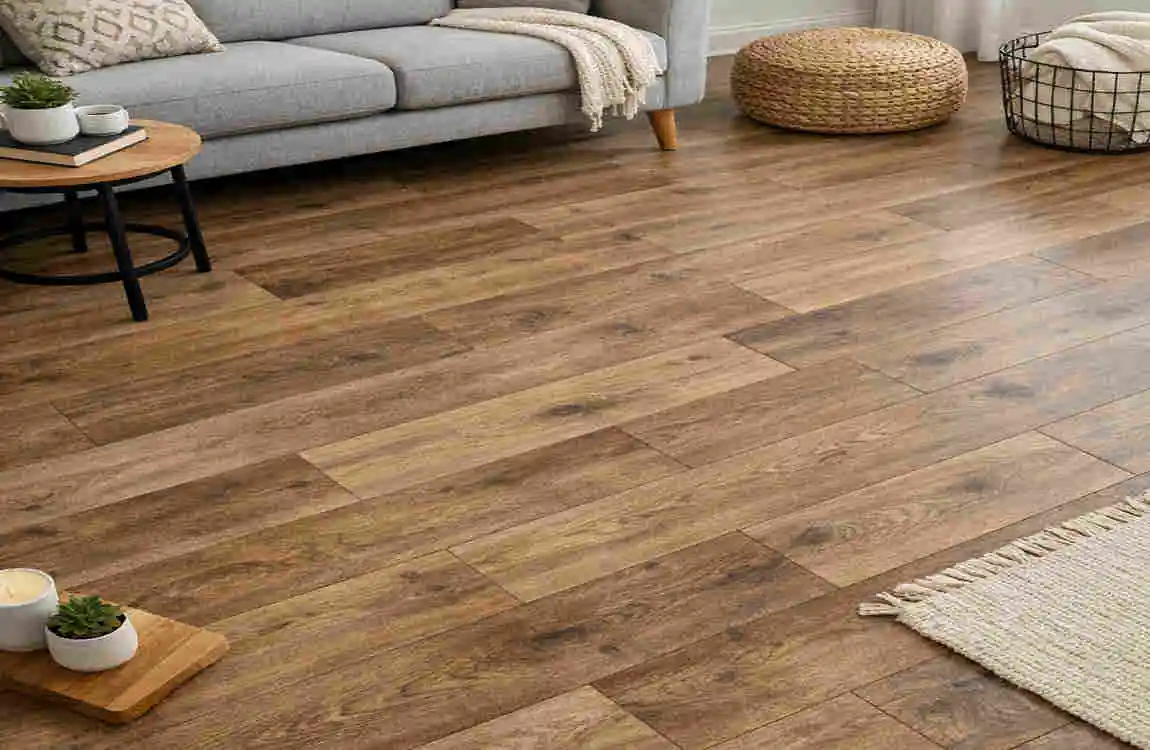
What laminate flooring is
Laminate flooring is a layered product that is designed to look like wood, stone, or tile. The top layer is a printed image protected by a clear surface, while the layers underneath add strength and stability.
This makes laminate a smart choice if you want the style of wood without the higher price tag.
Why laminate is popular
Laminate is often chosen because it is affordable, easy to clean, and resistant to scratches. It works well in busy homes where floors need to handle daily wear.
If you have kids, pets, or an active family life, laminate can be a practical option. It offers a neat look without demanding much maintenance.
What to watch out for
Laminate has limits too. It does not handle standing water well, so spills should be cleaned quickly. If moisture gets into the seams, the boards may swell or be damaged.
Also, laminate usually cannot be refinished the way hardwood can. If it becomes badly damaged, replacement may be needed.
Installation and underlayment
Many laminate floors use a click-and-lock installation system, which makes them easier to install than some other flooring types. In many cases, installers place an underlayment beneath the floor to improve sound, comfort, and help with minor surface imperfections.
This can improve the feel of the floor and help it last longer.
Best rooms for laminate
Laminate works well in:
- Bedrooms
- Living rooms
- Hallways
- Low-moisture family spaces
It is a good fit when you want a stylish floor on a tighter budget.
Tips for choosing quality laminate
Look for laminate with a strong wear layer, a realistic surface texture, and good water resistance if the room may get damp. Cheaper laminate may look good at first, but higher-quality products usually perform better over time.
Tile and Vinyl Flooring: Durable Solutions for Modern Homes
Tile flooring: ceramic and porcelain
Tile is a strong flooring choice, especially in rooms where water is common. The two main types are ceramic tile and porcelain tile.
Ceramic tile is durable and often more budget-friendly. Porcelain is denser, harder, and usually more water-resistant. Both can be used in kitchens, bathrooms, laundry rooms, and entryways.
Benefits of tile flooring
Tile has many strengths. It is water-resistant, long-lasting, and available in many styles. You can find tile that looks modern, classic, rustic, or even like natural stone.
It is also very easy to clean. That’s why many homeowners choose it for areas with spills, mud, or heavy use.
Drawbacks of tile flooring
Tile does have a few downsides. It can feel hard and cold underfoot, especially in cooler climates. It may also be less comfortable if you stand for long periods.
Grout lines can also require cleaning and occasional sealing. So while the tile itself is durable, the full surface still needs care.
Vinyl flooring: flexible and practical
Vinyl flooring is another strong option for modern homes. It comes in several forms, including luxury vinyl plank (LVP) and luxury vinyl tile (LVT).
LVP is often made to look like wood planks. LVT is designed to resemble tile or stone. Both offer good style with a softer, more comfortable feel than ceramic tile.
Why vinyl works so well
Vinyl is popular because it is affordable, moisture-resistant, and easy to clean. It also feels warmer and softer than tile, which makes it more comfortable for everyday living.
It is a very practical choice for homes that need a floor to handle spills, movement, and busy routines.
Best rooms for tile and vinyl
Tile is often best for:
- Kitchens
- Bathrooms
- Laundry rooms
- Entryways
Vinyl works well in:
- Kitchens
- Laundry rooms
- Busy family spaces
- Bathrooms in many cases
If you want durability with more comfort, vinyl may be the better choice. If you want maximum hardness and water resistance, tile may be the stronger option.
How to Choose the Right Flooring for Your Home
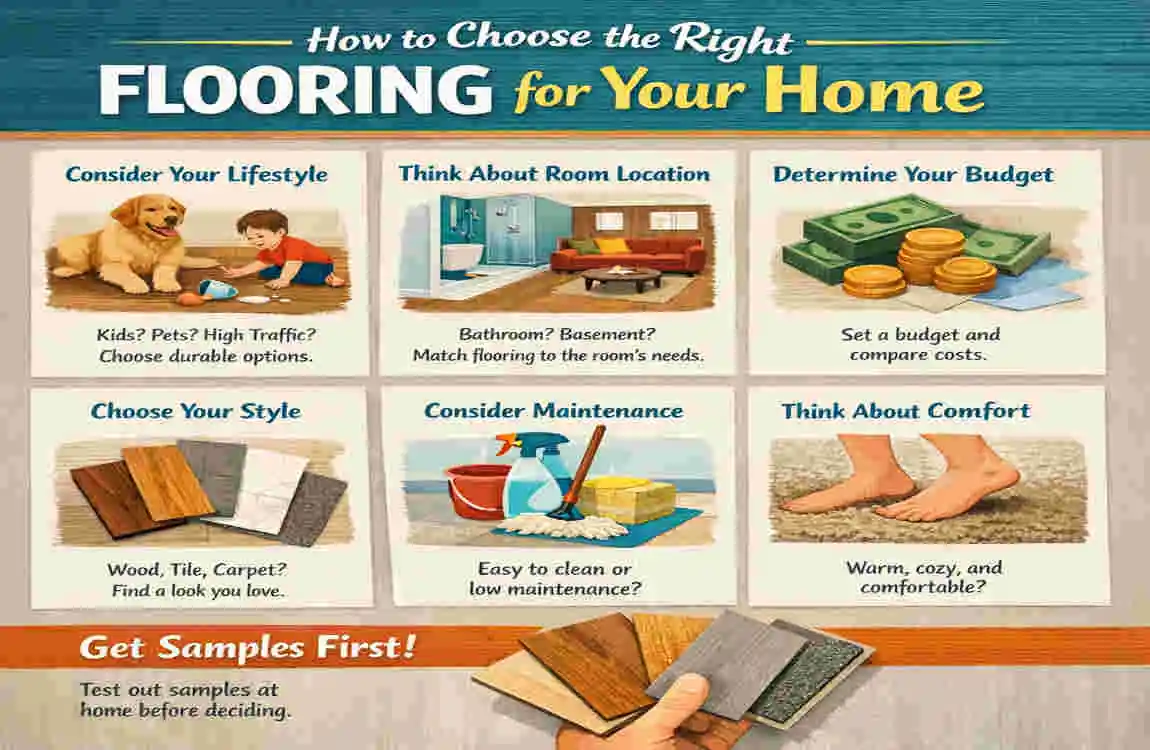
Compare the four flooring types side by side.
Each flooring type has a different purpose. The right choice depends on what matters most in your home.
Flooring typeMain benefitBest suited for
Hardwood Natural beauty and refinishing potential Living rooms and bedrooms
Laminate Affordable style Bedrooms and low-moisture living areas
Tile Durability and water resistance Kitchens and bathrooms
Vinyl Comfort and moisture resistance Kitchens, laundry rooms, and busy spaces
Match the floor to the room.
Think about how each room is used every day. A bedroom may need comfort and warmth. A kitchen needs durability and easy cleaning. A bathroom needs strong moisture protection.
That is why many homes use different flooring types in different rooms instead of using one material everywhere.
Think about traffic, pets, and daily life.
If your home gets a lot of foot traffic, choose a floor that can handle wear. If you have pets, scratch resistance becomes important. If you have children, easy cleaning may matter more than anything else.
Ask yourself what your real-life routine looks like. The best flooring isn’t just the prettiest. It is the one that fits your lifestyle.
Do not forget installation and long-term cost.
The sticker price is only part of the story. Also consider installation, prep work, and future maintenance.
Some floors cost less to buy but more to install. Others may cost more at first but need less repair later. A longer-lasting floor can save money over time.
Match the floor to your interior style.
Floor colour and texture matter too. Light floors can make a room feel open and airy. Dark floors can feel rich and dramatic. Smooth finishes feel modern, while textured finishes can feel more natural.
Keep the floor in harmony with the rest of your home. Walls, furniture, cabinets, and trim should all work together.
Common flooring mistakes to avoid
Many homeowners make simple mistakes during a renovation. Here are a few to avoid:
- Choosing style without thinking about function
- Using wood in rooms with too much moisture
- Ignoring the cost of installation
- Picking a colour that clashes with the rest of the home
- Buying low-quality material to save money upfront
A little planning now can save a lot of frustration later.
Frequently Asked Questions About Home Flooring
What are the four main types of flooring?
The four main types of flooring are hardwood, laminate, tile, and vinyl.
Which flooring type is the most affordable?
Laminate is often one of the most affordable choices, though vinyl can also be budget-friendly depending on the product.
What flooring lasts the longest?
Hardwood and tile often last a long time with proper care. Tile is especially durable, while hardwood can be refinished to extend its life.
Which flooring is best for kitchens and bathrooms?
Tile and vinyl are usually the best choices for kitchens and bathrooms because they handle moisture well.
Is laminate flooring better than vinyl flooring?
It depends on your needs. Laminate often looks more like real wood, while vinyl is usually more moisture-resistant and comfortable underfoot.
What flooring is easiest to maintain?
Vinyl is often one of the easiest floors to maintain. It cleans quickly and usually needs little special care.
| Flooring Type | Key Features | Advantages | Best For |
|---|---|---|---|
| Hardwood Flooring | Natural wood with a timeless appearance | Durable, elegant, and can be refinished | Living rooms and bedrooms |
| Vinyl Flooring | Available in various colors and wood-look designs | Water-resistant, affordable, and easy to maintain | Kitchens, bathrooms, and busy areas |
| Laminate Flooring | Layered material that mimics wood or stone | Budget-friendly, scratch-resistant, and easy to install | Bedrooms and living spaces |
| Tile Flooring | Ceramic or porcelain tiles in different styles | Durable, water-resistant, and easy to clean | Bathrooms, kitchens, and entryways |