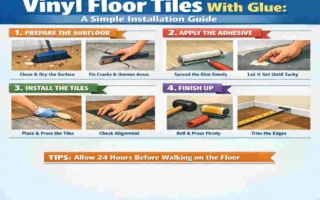
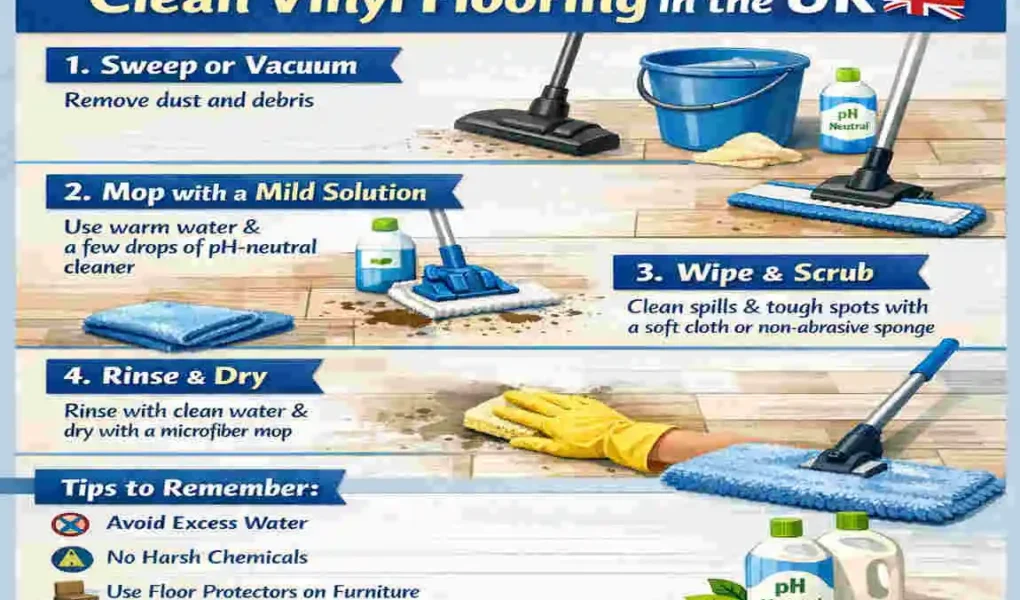
Vinyl flooring is a very popular choice in UK homes because it looks good, feels practical, and is not too expensive. Many homeowners use it in kitchens, bathrooms, hallways, and living rooms because it handles daily life well. It is also easy to care for, but only if you clean it properly.
If you have ever wondered what the best way to clean vinyl flooring in UK homes is, the short answer is this: clean it gently, use little water, and choose a pH-neutral cleaner. Regular sweeping, weekly mopping, and quick stain removal will keep the floor looking fresh for years.
What Is Vinyl Flooring?
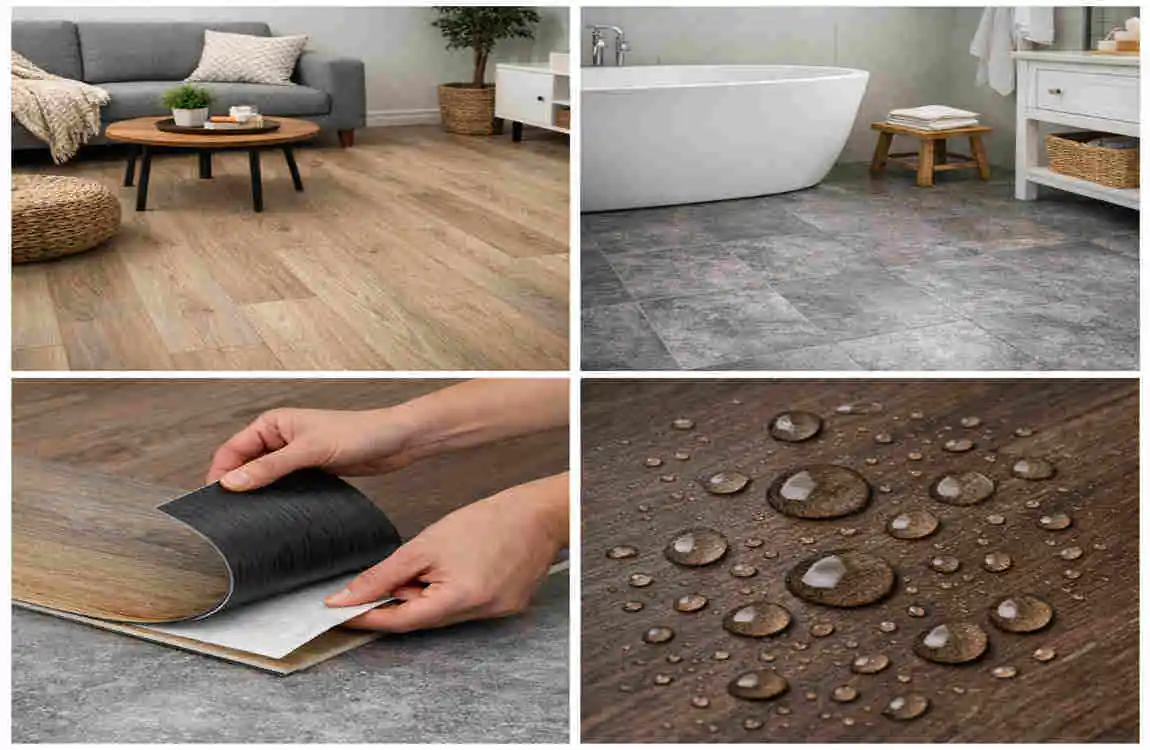
Vinyl flooring is a strong, flexible floor covering made to handle busy homes. It is popular because it gives you a neat look without needing too much effort.
Types of Vinyl Flooring
Luxury Vinyl Tile (LVT): This looks like stone or wood and is very common in modern homes.
Vinyl Sheet Flooring: This comes in large rolls and works well in rooms where you want fewer joins.
Vinyl Planks: These look like wooden planks and are easy to fit in many spaces.
Why UK Homeowners Prefer Vinyl Flooring
People in the UK often choose vinyl because it is:
- Water resistant
- Affordable
- Easy to clean
- Stylish
- Good for kitchens and bathrooms
What’s the Best Way to Clean Vinyl Flooring in the UK?
The best way to clean vinyl flooring is to keep it simple and consistent. Do not wait until the floor looks dirty. A little care often works much better than heavy cleaning once in a while.
Daily Cleaning Routine
Start with sweeping using a soft broom or a microfiber dust mop. This removes dust, crumbs, and grit before they scratch the floor. A quick daily clean makes a big difference.
Weekly Cleaning Method
Once a week, use a vacuum on the hard-floor setting and then mop with warm water and a pH-neutral vinyl floor cleaner. Keep the mop damp, not wet. Too much water can cause problems over time.
Monthly Deep Cleaning
Once a month, give the floor a deeper clean. Focus on corners, edges, and areas that collect dirt. This helps the floor stay bright and fresh.
Cleaning Supplies You’ll Need
You do not need many tools. Keep these simple items ready:
- Soft broom
- Microfiber mop
- Bucket
- Warm water
- pH-neutral cleaner
- White vinegar, if needed
- Soft cloth
- Spray bottle
- Dry microfiber towel
Step-by-Step Guide to Cleaning Vinyl Flooring
Remove Loose Dirt
Sweep or vacuum first. This stops dirt from spreading across the floor while you mop.
Prepare the Cleaning Solution
Mix warm water with a gentle cleaner. If you use vinegar or dish soap, keep the mixture mild.
Mop Carefully
Use a damp—not soaking wet—mop. Clean in small sections so the floor does not stay wet for too long.
Treat Stains Gently
Use a soft cloth for stains. Do not scrub hard, as it can damage the surface.
Dry the Floor
Wipe away any moisture with a dry microfiber towel. This helps prevent streaks and slipping.
Best Homemade Cleaning Solutions
Vinegar and Water
A common mix is 1 cup of white vinegar in a bucket of warm water. This can help with general cleaning. It works well when used lightly, but do not use it too often.
Mild Dish Soap Solution
A few drops of mild washing-up liquid in warm water can help with everyday dirt. Use only a small amount so the floor does not become sticky.
Baking Soda Paste
For stubborn marks, make a soft paste with baking soda and water. Apply it gently and wipe it off after a short time.
How to Remove Common Stains from Vinyl Flooring
Grease Stains
Use warm water with a small amount of dish soap. Wipe gently with a soft cloth.
Mud Marks
Let the mud dry first, then sweep it up. Mop the area after that.
Pet Accidents
Clean quickly with warm water and a mild cleaner. Dry the area fully.
Food Spills
Wipe spills straight away so they do not stain or leave sticky marks.
Ink Marks
Use a soft cloth with a little rubbing alcohol on the cloth, not directly on the floor. Test a small area first.
Scuff Marks
A damp cloth or a little baking soda paste often helps remove scuffs.
Sticky Residue
Use warm water and mild soap. If needed, gently scrape with a plastic scraper.
Common Cleaning Mistakes to Avoid
Some products and habits can harm vinyl flooring. Try to avoid these:
- Bleach
- Steam cleaning
- Abrasive brushes
- Too much water
- Wax-based products
- Ammonia cleaners
- Dragging heavy furniture
Tips to Keep Vinyl Flooring Looking New
A few simple habits can protect your floor for a long time:
- Sweep daily
- Wipe spills immediately
- Use door mats
- Place felt pads under furniture
- Avoid high heels indoors
- Trim pet nails
- Rotate rugs regularly
How Often Should You Clean Vinyl Flooring?
Cleaning Task Recommended Frequency
Sweeping Daily
Vacuuming Weekly
Damp Mopping Weekly
Deep Cleaning Monthly
Spot Cleaning As Needed
Is Vinegar Safe for Vinyl Flooring?
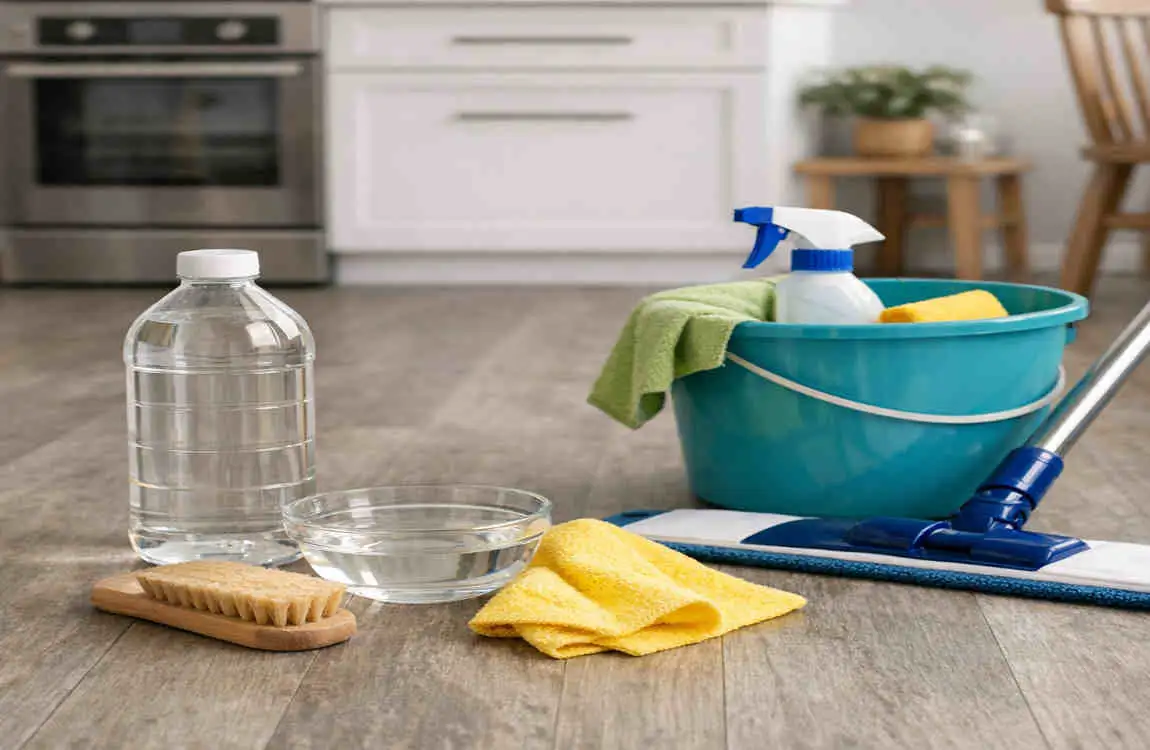
Yes, vinegar can be safe if you use it correctly. It is useful for light cleaning and removing some dullness. But it should always be diluted well.
Good points: It is cheap, easy to use, and works for general cleaning.
Watch out: Too much vinegar or too much use can dull the finish over time.
Best approach: Use it now and then, not every day.
Can You Use a Steam Mop on Vinyl Flooring?
It is usually not a good idea. Steam can push heat and moisture into the floor, potentially causing damage. Always check the manufacturer’s advice first. If you want a safer choice, use a microfiber mop with warm water.
Eco-Friendly Vinyl Floor Cleaning Tips
If you want a greener routine, keep it simple:
- Use reusable microfiber cloths
- Choose gentle natural cleaners
- Avoid strong chemicals
- Use only the water you need
Expert Maintenance Tips
To help your floor stay in good shape, protect it in high-traffic areas, inspect it regularly, and follow the care instructions that came with the flooring. Small habits often prevent bigger problems later.
Frequently Asked Questions
What’s the best way to clean vinyl flooring in UK homes?
Sweep daily, mop weekly with a damp mop, and use a pH-neutral cleaner.
Can I use vinegar to clean vinyl flooring?
Yes, but only in a diluted mix and not too often.
Is a steam mop safe for vinyl floors?
Usually no, because heat and moisture can damage the floor.
How often should I mop vinyl flooring?
Once a week is usually enough for most homes.
Which cleaners should I avoid on vinyl flooring?
Avoid bleach, ammonia, wax-based products, and harsh abrasives.
| Aspect | Information |
|---|---|
| Topic | How to Effectively Clean Vinyl Flooring in the UK |
| Best Cleaning Method | Sweep or vacuum daily, then mop with warm water and a pH-neutral vinyl floor cleaner. |
| Recommended Cleaner | Mild dish soap, diluted white vinegar, or a vinyl-safe floor cleaner. |
| Avoid Using | Bleach, abrasive scrubbers, steam mops (unless approved by the manufacturer), wax, and ammonia-based cleaners. |
| Cleaning Frequency | Sweep or vacuum 2–3 times per week; mop weekly or as needed. |
| Stain Removal | Use a soft cloth with baking soda paste or diluted vinegar for stubborn stains. |
| Scuff Mark Removal | Gently rub with a damp microfiber cloth or a tennis ball. |
| Water Usage | Use a damp mop rather than a soaking wet mop to prevent moisture damage. |
| Protective Tips | Place felt pads under furniture, use entrance mats, and wipe spills immediately. |
| Suitable for UK Homes | Yes, vinyl flooring is ideal for UK kitchens, bathrooms, and utility rooms due to its moisture resistance and easy maintenance. |