
Wide plank flooring has become a favorite choice for many homeowners because it looks clean, warm, and stylish. If you have ever walked into a room and noticed the floor making the space feel bigger and more open, there is a good chance wide planks were part of that effect.
So, what is wide plank flooring? In simple terms, it is flooring made from boards that are wider than standard planks. These boards give rooms a more open look and often show off the natural beauty of the wood better than narrow boards.
Many homeowners and designers prefer wide planks because they bring a sense of comfort and luxury. They can work in both modern and classic homes, and they often make a strong visual impact without looking too busy.
What Is Wide Plank Flooring?
Definition of Wide Plank Flooring
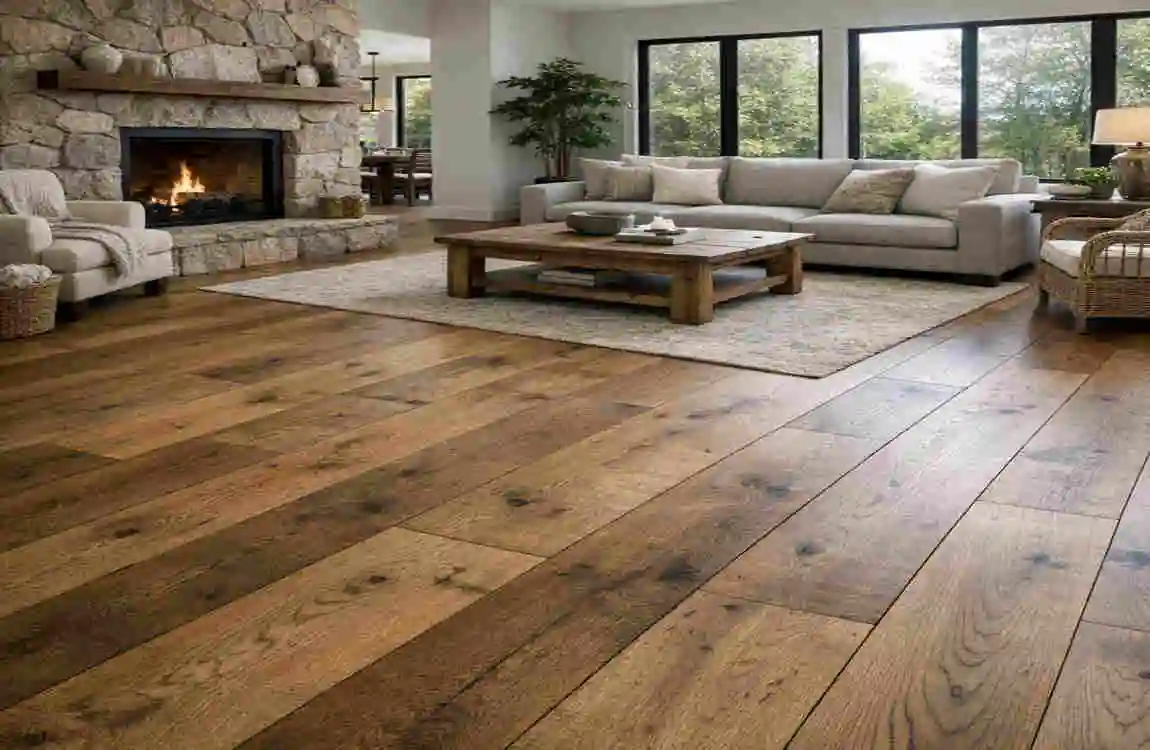
Wide-plank flooring usually refers to boards 5 inches or more wide. Standard flooring boards are often narrower, which creates more visible seams across the floor.
Wide planks come in different lengths and finishes, but their main feature is the width. That extra width changes the way a room feels. Instead of seeing many small lines, your eye sees broader, cleaner sections of wood.
This style is popular because it gives floors a more natural and balanced look. It can also make the wood grain stand out beautifully.
Types of Wide Plank Flooring
There are several types of wide plank flooring, and each one has its own strengths:
- Solid hardwood: Made from one piece of wood, durable, and can often be refinished.
- Engineered hardwood: Built with layers for added stability, especially in changing humidity.
- Luxury vinyl wide planks: A budget-friendly option that resists moisture well.
- Laminate wide planks: Easy to maintain and often more affordable than real wood.
Each option has a different feel, price point, and level of durability, so the right choice depends on your room and lifestyle.
Benefits of Wide Plank Flooring
Creates a Spacious Appearance
One of the biggest benefits of wide plank flooring is that it can make a room feel larger. Because there are fewer seams, the floor looks less crowded. This helps especially in small rooms where you want a more open feeling.
Highlights Natural Wood Grain
Wide boards show more of the wood’s natural character. If you love the look of knots, grain patterns, and natural texture, wide planks make those details easier to enjoy.
Adds Luxury and Modern Appeal
Wide plank floors often feel more high-end. They can give a home a polished look without feeling cold or too formal. That is why they fit so well in both stylish modern homes and cozy traditional spaces.
Fewer Seams and Cleaner Visual Lines
With fewer seams across the floor, the room looks cleaner and simpler. This creates a smooth visual flow that many people find calming and attractive.
Increases Home Aesthetic Value
Good flooring can change the whole feel of a home. Wide-plank flooring often makes spaces look more refined, which can improve the property’s overall appeal.
Factors to Consider When Choosing Wide Plank Flooring
Choose the Right Material
The material matters more than many people realize. It affects how the floor looks, how long it lasts, and how easy it is to care for.
Solid wood is a strong choice if you want a natural look and the ability to refinish the floor later.
Engineered wood works well if you want a more stable option for areas with fluctuating moisture levels.
Vinyl and laminate are practical if you want something easier to maintain and more budget-friendly.
Consider Plank Width
Plank width changes the style and feel of the room.
- 5-inch planks: A balanced choice that works in many homes.
- 7-inch planks: A bolder look with fewer seams.
- Extra-wide options: Great for large spaces and modern interiors.
If your room is smaller, very wide boards can still work, but the overall design should stay simple and balanced. In larger rooms, extra-wide planks can look especially impressive.
Select the Right Wood Species
Different wood species give different results.
- Oak: Very popular, durable, and versatile.
- Maple: Smooth look, lighter tone, and a clean finish.
- Hickory: Strong and full of character.
- Walnut: Rich, dark, and elegant.
- Pine: Softer and more rustic, with visible natural charm.
Oak is often the safest all-around choice. Walnut feels more luxurious. Hickory is a great pick if you want durability and bold character.
Evaluate Color and Finish
Color changes the mood of the room.
Light finishes make a space feel airy and bright.
Medium tones create a warm and timeless look.
Dark finishes bring richness and drama.
Finish also matters. A matte finish hides small marks better and gives a natural look. A glossy finish reflects more light but may show scratches and dust more easily.
Consider Room Size and Style
The size and style of your room should guide your choice.
In small rooms, choose a width that opens the space without overwhelming it.
In large open-concept spaces, wider planks can create a smooth and elegant flow.
In modern interiors, simple tones and clean lines work well.
In traditional homes, warmer wood tones can add comfort and character.
Best Rooms for Wide Plank Flooring
Living Rooms
Living rooms are among the best places for wide-plank flooring. The broad boards help the room feel open and welcoming, especially if the space gets a lot of natural light.
Bedrooms
Bedrooms benefit from the soft, calm look of wide planks. The floor can make the room feel peaceful and comfortable, which is perfect for rest areas.
Dining Areas
Wide planks add warmth and style to dining rooms. They help create a more finished look that pairs well with both casual and formal furniture.
Home Offices
A home office should feel clean and focused. Wide plank flooring can help create a neat, professional setting without feeling too plain.
Kitchens and Basements
These rooms need more care. If you want wide planks here, engineered wood, vinyl, or laminate may be better choices because they handle moisture more safely than solid wood.
Solid vs. Engineered Wide Plank Flooring
Pros of Solid Wide Plank Flooring
Solid wood gives you a genuine natural feel. It can often be sanded and refinished more than once, which helps extend its life.
It also has a classic look that many people love. If you want a floor that feels traditional and long-lasting, solid wood is a strong option.
Pros of Engineered Wide Plank Flooring
Engineered flooring is built with layers, making it more stable than solid wood under many conditions. That means it can handle changes in temperature and humidity better.
It is often a smart choice for basements, kitchens, and other areas where the climate changes frequently. It can also give you the look of real wood with more flexibility.
Which Option Is Better for Your Home?
The best choice depends on your needs.
Choose solid wood if you want a classic floor, long life, and refinishing options.
Choose engineered wood for greater stability and better performance in tricky spaces.
If you live in a humid area or want flooring for a lower-level room, engineered wide-plank flooring is often the safer pick.
Wide Plank Flooring Installation Tips
Prepare the Subfloor
A strong installation starts with a flat, clean subfloor. If the surface is uneven, the boards may not sit properly, leading to squeaks or gaps later.
Acclimate the Flooring Material
Let the flooring sit in the room before installation. This helps the boards adjust to your home’s temperature and humidity. It is a small step, but it can prevent problems later.
Choose Professional or DIY Installation
If you have experience with flooring work, a DIY project may be possible. But wide-plank flooring can be more demanding than standard boards, so many homeowners prefer professional installation for cleaner results.
Avoid Common Installation Mistakes
Try to avoid rushed work, poor measuring, and skipping moisture checks. These mistakes can affect how the floor looks and how long it lasts.
How to Maintain Wide Plank Flooring
Regular Cleaning Methods
Keep the floor clean with simple care. Sweep or vacuum often to remove dust and grit. Use a damp mop only when needed, and avoid soaking the surface.
Preventing Scratches and Moisture Damage
Use furniture pads under heavy pieces. Place mats near entryways to catch dirt—also, clean spills quickly so moisture does not sit on the floor too long.
Refinishing and Long-Term Care Tips
If you have solid wood flooring, refinishing can bring back its original beauty after years of use. For engineered and synthetic floors, follow the manufacturer’s care instructions to keep the surface in good condition.
Maintenance Checklist
- Sweep or vacuum regularly
- Wipe spills right away
- Use protective pads under furniture
- Keep pet nails trimmed
- Avoid harsh cleaners
Common Mistakes to Avoid When Buying Wide Plank Flooring
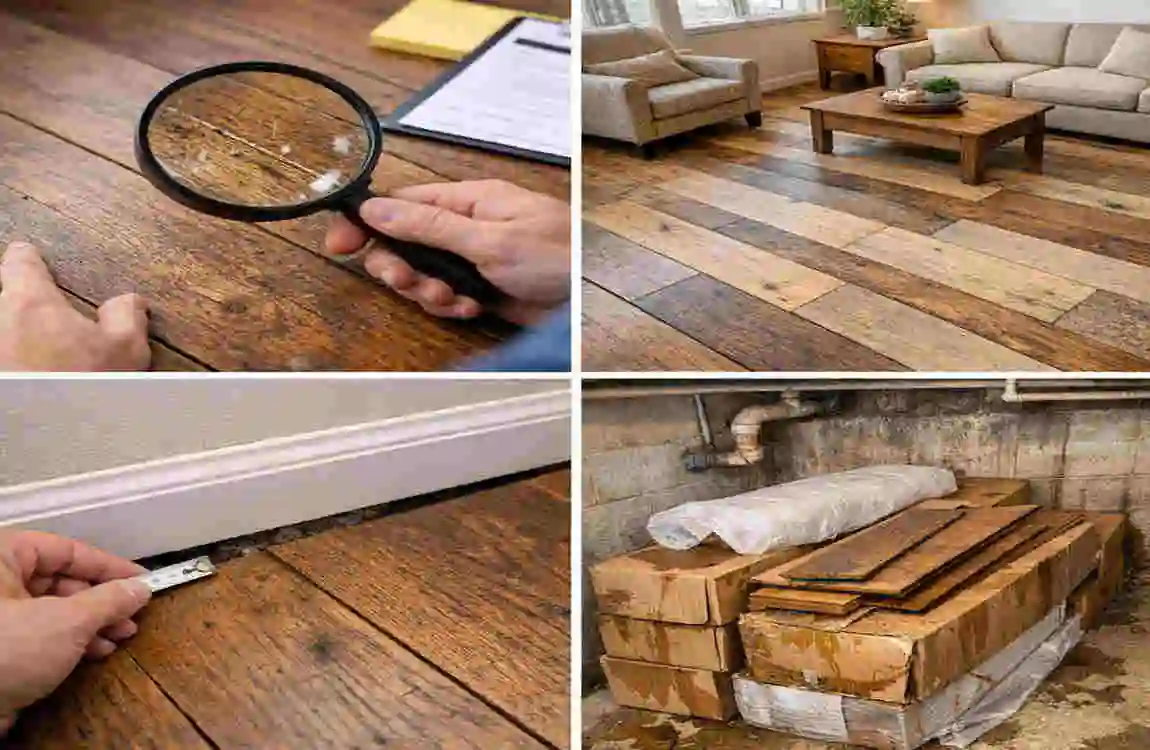
A few simple mistakes can lead to disappointment later. Do not ignore moisture conditions in the room. Do not choose style alone and forget about durability. Also, make sure the plank width matches your space.
Another common mistake is overlooking maintenance needs. Some floors look beautiful but require more care than expected. Finally, always think about traffic levels. A busy hallway needs a tougher floor than a quiet bedroom.
Frequently Asked Questions
What is considered wide plank flooring?
Wide-plank flooring usually refers to boards 5 inches or more wide.
Is wide plank flooring more expensive?
Yes, it often costs more because the boards are larger and the look is usually seen as more Premium.
Is wide plank flooring suitable for small rooms?
Yes, it can work very well in small rooms because it may make the space feel more open.
Which wood species is best for wide plank flooring?
Oak, walnut, and hickory are popular choices because they are attractive and durable.
Does wide plank flooring increase home value?
High-quality wide-plank flooring can improve a home’s appearance and may help increase its perceived value.
| Factor | What to Consider |
|---|---|
| Room Size | Small rooms: 6–8 inches wide; Medium rooms: 6–10 inches; Large/open-plan: 8–12 inches |
| Wood Species | Choose species that match your needs (durability, grain pattern, color); oak and hickory are popular for wide planks |
| Wood Grade | Within your chosen species, select a grade (e.g., Prime, Natural, Rustic) based on desired look and budget |
| Plank Width & Style | Wide plank = 5+ inches; Random widths cost less than uniform widths; wider planks make rooms feel more spacious |
| Construction Type | Engineered hardwood recommended for widths >6 inches to reduce cupping/gapping; solid hardwood has higher movement risk |
| Finish Type | Prefinished (faster installation, no on-site finishing) vs. unfinished (custom stain/finish on-site) |
| Cost & Installation | Wide planks are more expensive; professional installation recommended due to expansion/contraction |