When you step into a house, what is the very first thing you notice? Often, it is the ground right beneath your feet. Flooring is the foundation of any room’s design, but it does so much more than just look pretty.
The materials you choose for your floors play a massive role in your everyday life. They determine how much time you spend cleaning, how comfortable your feet feel on a winter morning, and how well your home holds up to energetic pets or kids. Every flooring choice comes down to a delicate balance of durability, appearance, comfort, maintenance, and cost.
What Are Home Floors Made Of?
So, exactly what are home floors made of? The short answer is that home flooring materials are crafted from a wide mix of natural resources and synthetic materials.
Nature provides us with classic options like timber, stone, and clay. Meanwhile, modern manufacturing gives us advanced, man-made materials designed to resist water, fight off scratches, and mimic the look of nature at a fraction of the cost.
It is important to remember that you do not have to pick just one material for your entire house. In fact, different rooms usually require completely different flooring. A soft material that works beautifully in a cozy bedroom might be a terrible choice for a highly trafficked, spill-prone kitchen.
Ultimately, the choice of what goes on your floors depends heavily on your personal budget, your active lifestyle, and the climate where you live.
Most Common Home Flooring Materials
Let’s dive into the specifics. Here is a detailed look at the most popular materials used to craft the floors in our homes today.
Hardwood Flooring
When you think of traditional, high-quality flooring, hardwood is usually the first thing that comes to mind. This material is made from solid pieces of natural wood, cut directly from trees like oak, maple, or walnut.
Hardwood brings an elegant, timeless appearance to any space. It feels warm and inviting, and it has the incredible ability to make a house feel like a home. One of the biggest advantages of solid hardwood is its long lifespan. Because it is solid wood all the way through, you can sand it down and refinish it multiple times over the decades.
However, there are pros and cons to consider. While it is stunning and adds real estate value, solid hardwood is expensive. It is also sensitive to moisture and can warp if it gets too wet, making it a bad fit for bathrooms.
Engineered Wood Flooring
If you love the look of hardwood but need something a little more versatile, engineered wood flooring is a fantastic solution.
Instead of a single solid piece of wood, engineered planks are built using layers. The base layers consist of high-quality plywood or high-density fiberboard glued together in cross-directional patterns. Finally, a thin veneer of real, natural hardwood is glued to the very top.
Because of this clever layered construction, engineered wood is highly moisture-resistant. It does not expand and contract as much as solid wood does when humidity levels change. This makes it a perfect, stable choice for modern homes, basements, and areas with changing climates.
Laminate Flooring
For homeowners who want the gorgeous look of wood without the hefty price tag, laminate flooring steps in to save the day.
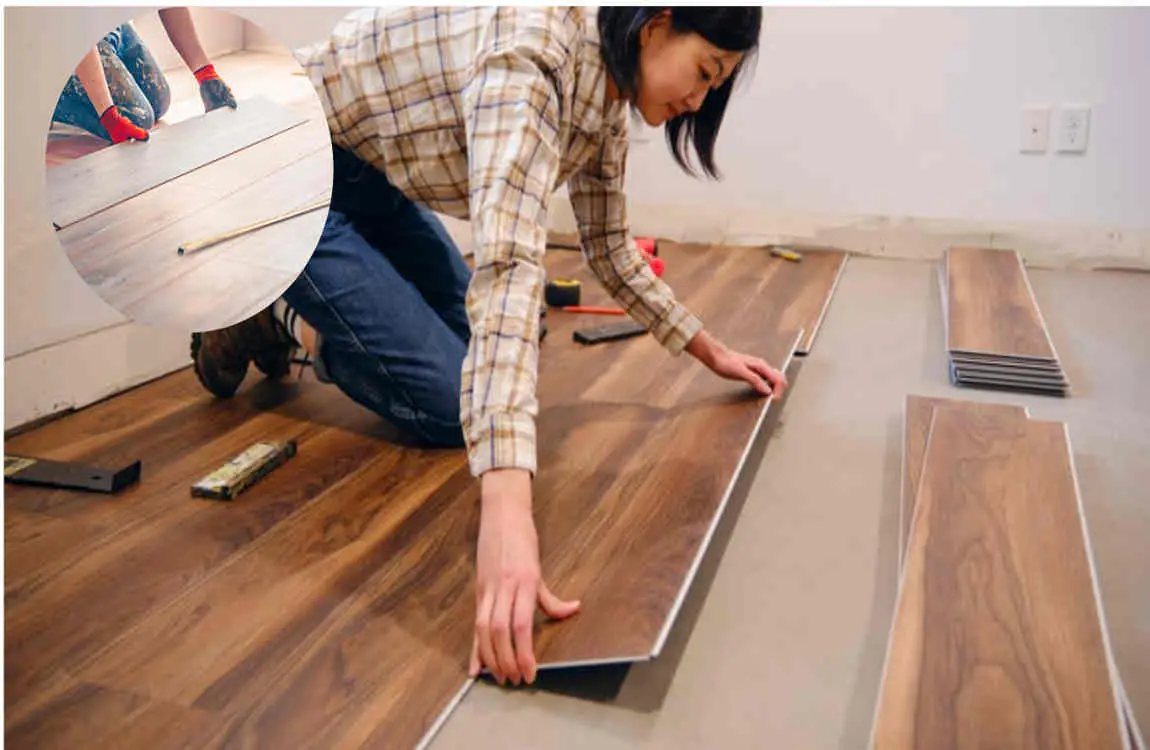
Laminate is essentially a smart illusion. The core of the plank is made of high-density fiberboard (compressed wood fibers). On top of that sits a highly detailed, photographic layer that mimics the exact look of wood or stone. Finally, a tough, clear protective wear layer coats the top.
This material is incredibly affordable and highly scratch-resistant, making it a favorite for busy households with kids and pets. Plus, most laminate comes with a “click-and-lock” design, which means easy installation for DIY enthusiasts.
Vinyl Flooring
If you are looking for a material that can handle serious spills, vinyl flooring is your best friend. Modern vinyl is a synthetic, PVC-based material that is practically bulletproof when it comes to water.
Vinyl is truly waterproof, meaning it will not swell, warp, or stain when exposed to puddles. You can buy it in several formats, including long planks (Luxury Vinyl Plank or LVP), large continuous sheets, or individual tiles.
Because it handles moisture so brilliantly, vinyl is an absolutely great option for kitchens, bathrooms, laundry rooms, and basements.
Tile Flooring
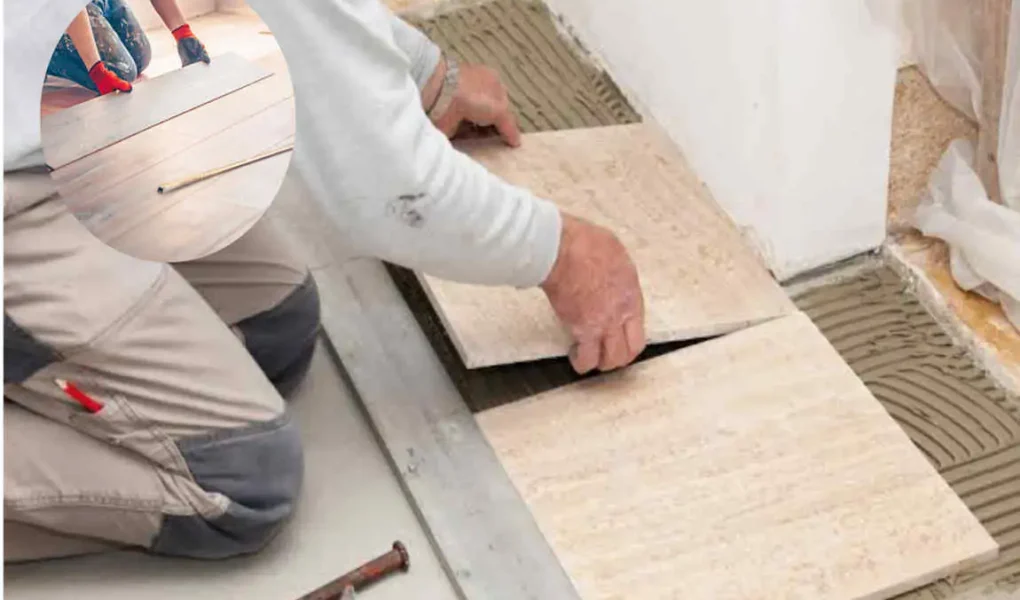
Tile flooring is a classic choice that has been used in homes for centuries. Most modern household tiles are made from either ceramic or porcelain, which are created by baking natural clay in extremely hot kilns.
Tile is famous for being incredibly water-resistant and tough. Porcelain, in particular, is so dense that it is nearly waterproof.
Beyond handling water, tile is highly durable and easy to clean. A quick sweep and a mop will easily wipe away dirt, mud, and spills. It also comes in endless colors, patterns, and sizes, allowing you to get truly creative with your interior design.
Carpet Flooring
Sometimes, you just want something soft under your toes. Carpet flooring is made by looping or cutting soft synthetic or natural fibers (like nylon, polyester, or wool) and attaching them to a sturdy backing. Underneath the carpet, installers place a thick spongy pad.
The biggest draw of carpet is that it is incredibly comfortable and warm. It acts as a fantastic insulator, keeping rooms cozy during cold winters. It also absorbs sound, making your home significantly quieter. Because of its soft and cozy nature, carpet remains the absolute best choice for bedrooms and family movie rooms.
Concrete Flooring
You might think of sidewalks or garages when you hear the word concrete, but it has become a highly sought-after interior flooring material.
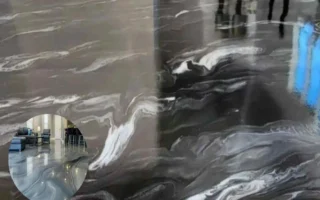
Concrete is a mixture of cement, sand, gravel, and water that hardens into a rock-solid surface. It is incredibly strong and modern. Homeowners often polish concrete to a high shine or stain it to create rich, varied colors.
It is especially popular in modern, minimalist, or industrial-style homes. Best of all, once it is properly sealed, concrete requires very low maintenance.
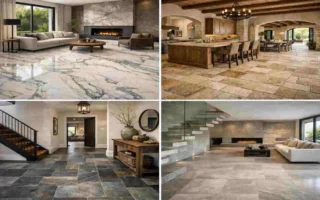
Natural Stone Flooring
If you want to bring the raw beauty of the earth directly into your home, natural stone flooring is the ultimate choice. These floors are cut directly from quarries around the world.
Common types of stone floors include:
- Marble: Known for its elegant veining.
- Granite: Incredibly hard and scratch-resistant.
- Slate: Offers a beautiful, textured, rustic look.
- Travertine: A porous stone that brings warm, earthy tones.
Natural stone provides a true luxury appearance. Every single tile is uniquely created by nature, meaning no two floors will ever look exactly alike.
How to Choose the Right Flooring Material
With so many fantastic materials available, how do you pick the right one for your home? Ask yourself these simple questions to narrow down your choices.
Consider Your Budget
Before you fall in love with premium marble or exotic hardwood, take a realistic look at your budget. Remember to factor in both the cost of the material itself and the cost of professional installation. If your budget is tight, laminate and vinyl offer incredible value while still looking great.
Think About Room Usage
How do you use the room? A busy hallway where kids run in with muddy shoes needs a tough surface like tile or vinyl. A formal dining room that only gets used on holidays is a great place to show off beautiful hardwood. Always match the durability of the floor to the activity level of the room.
Check Moisture Levels
Water is the natural enemy of many flooring types. Take a close look at the moisture levels in the room you are remodeling. Bathrooms, laundry rooms, and basements need waterproof materials like tile, concrete, or luxury vinyl. Keep solid hardwood far away from damp areas.
Maintenance Requirements
Be honest with yourself about how much time you want to spend cleaning. If you want a floor you can just quickly sweep and ignore, look into concrete, vinyl, or laminate. If you don’t mind a little extra upkeep, natural stone and carpet are wonderful options.
Match Your Interior Style
Your floors should complement the rest of your house. Light-colored woods look amazing in breezy, coastal-style homes. Dark, rich hardwoods fit perfectly in traditional houses. Sleek concrete screams modern and industrial. Choose a floor that beautifully matches your interior style.
Which Flooring Material Lasts the Longest?
If you hate the idea of replacing your floors and want a “one-and-done” solution, you need to focus on longevity. When properly installed and cared for, the following materials last the longest:
- Tile: Ceramic and porcelain tiles can easily last 50 to 100 years. They are baked at extreme temperatures, making them nearly indestructible under normal household use.
- Concrete: A poured concrete floor can easily outlast the house itself! It is immune to scratches, dents, and water damage.
- Natural stone: Materials like granite and slate have been surviving out in nature for millions of years. Inside your home, they will last a lifetime.
- Hardwood (with proper maintenance): Because solid hardwood can be sanded and refinished multiple times, a good oak or maple floor can look brand new for over a century.
Eco-Friendly Flooring Options
If you are passionate about protecting the environment, you will be happy to know that the flooring industry has made huge green strides. You do not have to sacrifice style to be eco-conscious. Consider these green alternatives:
- Bamboo: Bamboo looks like wood, but it is actually a fast-growing grass. It reaches maturity in just a few years, making it a highly renewable resource.
- Cork: Cork flooring is made by safely harvesting the bark of the cork oak tree without actually cutting the tree down. It is soft, warm, and highly sustainable.
- Reclaimed wood: Instead of cutting down new trees, reclaimed wood uses historical lumber salvaged from old barns, factories, and warehouses.
- Recycled materials: Many modern carpets and vinyl floors are now manufactured using recycled plastics and materials, keeping trash out of landfills.
Tips for Maintaining Different Flooring Types
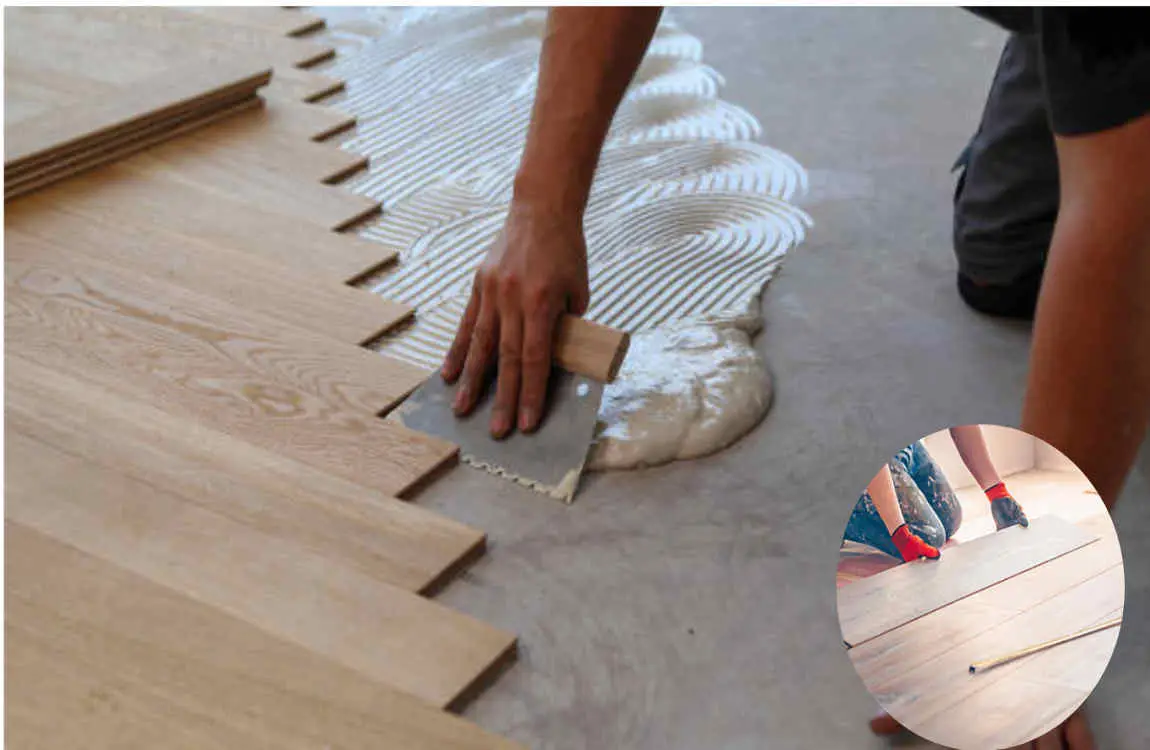
Protecting your investment is all about proper maintenance. While every material has specific cleaning instructions, here are a few universal tips to keep your floors looking beautiful:
- Regular cleaning: Dirt and grit act like tiny pieces of sandpaper. Regular sweeping or vacuuming prevents this grit from scratching your floor’s finish.
- Protect from moisture: Wipe up water spills immediately. Even water-resistant floors can be damaged if water sneaks into the seams over time.
- Use furniture pads: Stick felt pads under the legs of your heavy couches, chairs, and tables to prevent deep gouges and scratches.
- Refinish hardwood when needed: When your solid wood floors start looking dull and scratched, don’t replace them! Simply have them sanded and refinished to restore their original glory.
- Seal natural stone: Natural stone is porous. Applying a high-quality sealant every few years will block stains and keep the stone looking vibrant.
Frequently Asked Questions (FAQs)
What are home floors made of?
Home floors are commonly made from a variety of natural and synthetic materials. The most popular options include solid hardwood, engineered wood, laminate, vinyl, ceramic or porcelain tile, soft carpet, poured concrete, and natural stone.
Which flooring material is the most durable?
If you are looking for pure toughness, tile, concrete, and natural stone are among the most durable flooring materials available. They are highly resistant to scratches, dents, and heavy foot traffic.
What is the best waterproof flooring?
For areas prone to spills and moisture, luxury vinyl flooring and porcelain tile are excellent waterproof options. They will not warp or suffer water damage, making them perfect for kitchens, bathrooms, and basements.
Is hardwood better than laminate flooring?
It depends on your needs! Hardwood offers a premium, natural appearance and can last for decades because it can be refinished. However, laminate is much more affordable, highly scratch-resistant, and easier to maintain for busy families.
Which flooring is best for homes with pets?
When you have dogs or cats, you need floors that can fight off claw marks and accidents. Luxury vinyl, tile, and laminate are great choices because they resist scratches, handle moisture effortlessly, and stand up to everyday wear and tear.
| Flooring Material | Made From | Best For | Average Lifespan | Pros |
|---|---|---|---|---|
| Hardwood | Solid natural wood (oak, maple, walnut) | Living rooms, bedrooms | 50–100+ years | Durable, timeless, can be refinished |
| Engineered Wood | Real wood veneer over plywood | Most indoor spaces | 20–40 years | More moisture-resistant than hardwood |
| Laminate | High-density fiberboard with printed layer | Bedrooms, hallways | 15–30 years | Affordable, scratch-resistant |
| Vinyl (LVP/LVT) | PVC and synthetic materials | Kitchens, bathrooms, basements | 15–25 years | Waterproof, low maintenance |
| Tile | Ceramic, porcelain, or natural stone | Bathrooms, kitchens | 50+ years | Water-resistant, highly durable |
| Carpet | Synthetic fibers or wool | Bedrooms, family rooms | 5–15 years | Soft, warm, reduces noise |
| Concrete | Cement, sand, gravel, and water | Basements, modern homes | 50+ years | Strong, long-lasting, low maintenance |
| Bamboo | Compressed bamboo grass | Living rooms, bedrooms | 20–30 years | Eco-friendly, stylish, durable |
| Cork | Bark from cork oak trees | Bedrooms, offices | 20–40 years | Comfortable, sound-absorbing, renewable |
| Natural Stone | Marble, granite, slate, or travertine | Luxury interiors | 75–100+ years | Elegant, extremely durable, unique appearance |