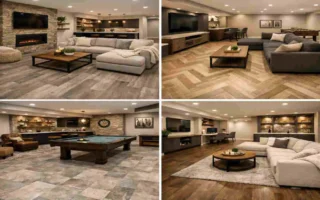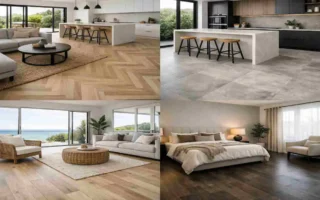
Choosing the best floor design for home is one of the smartest decisions you can make when planning your space. Flooring is not just something you walk on. It shapes how your home looks, feels, and how easy it is to clean and maintain.
A good floor can make a room feel warm, open, elegant, or modern. It can also improve comfort and add value to your home. On the other hand, the wrong choice can make daily life harder, especially if the material does not match the room or your lifestyle.
Before you decide, think about your budget, the room’s purpose, your climate, and how much upkeep you are willing to do. You should also consider safety, water resistance, and your interior style. Today, many homeowners prefer modern flooring options that combine beauty, durability, and low maintenance.
Why Choosing the Best Floor Design for Home Matters
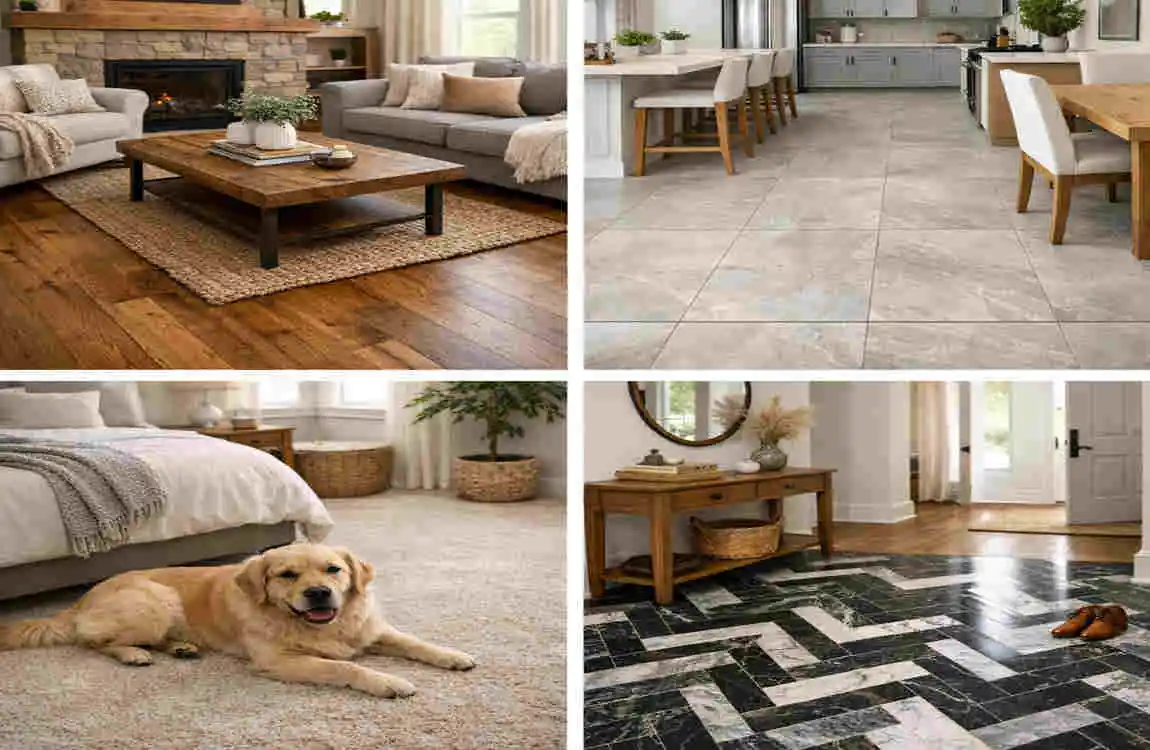
Enhances Interior Appearance
Flooring plays a huge role in how your home looks. A stylish floor can make a room feel more polished and complete. Whether you like wood, stone, or tile, the right finish adds character to the whole space.
Improves Comfort and Functionality
The best flooring should feel good underfoot and support daily use. For example, soft, warm flooring may work well in bedrooms, while strong, easy-to-clean flooring is better for kitchens and hallways.
Increases Home Value
Good flooring can increase your home’s value. Buyers often notice floors first, especially in living rooms and entryways. A smart choice can make your property more attractive in the future.
Reduces Maintenance Costs
Durable flooring saves time and money over the years. When you choose the right material from the start, you reduce repairs, stains, and replacement costs later.
Factors to Consider Before Choosing a Floor Design
Budget
Your budget is the first thing to think about. Some materials look luxurious but cost more to install and maintain. Others give you a stylish look at a lower price. Always compare both the purchase price and long-term care cost.
Room Usage
Not every floor works in every room. A bedroom does not need the same strength as a kitchen or bathroom. High-traffic spaces need tougher materials, while private rooms can focus more on comfort and style.
Climate and Moisture Levels
If you live in a humid area, moisture resistance is very important. Wood may expand or warp in wet spaces, while tile and vinyl handle moisture better. This is a major part of choosing the best floor design for home.
Durability
A floor should last for years without wearing out too fast. Homes with children, pets, or frequent guests need stronger materials that can withstand daily wear and tear and scratches.
Maintenance Requirements
Some floors need regular polishing or special cleaning products. Others only need simple sweeping and mopping. If you want low effort, choose an option that fits your routine.
Safety and Slip Resistance
Safety matters, especially in homes with children or older adults. A floor with a slippery surface may look nice but can create risk. Look for finishes that offer better grip.
Style and Interior Theme
Your floor should match the rest of your home. For a modern look, you may want clean lines and soft tones. For a warm and classic style, wood-like finishes are often a better fit.
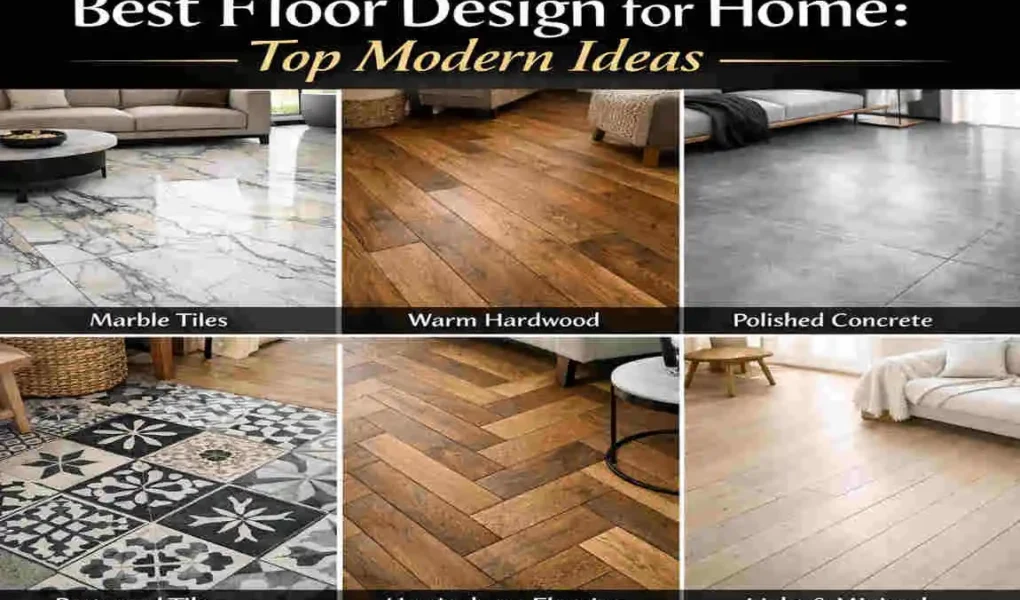
Best Floor Design for Home: Top Flooring Materials
Flooring MaterialBest ForMain BenefitMain Drawback
Hardwood Living rooms, bedrooms Timeless beauty Higher cost
Laminate Budget-friendly homes Affordable style Less water resistance
Vinyl/LVP Kitchens, bathrooms Waterproof and easy care Can feel less natural
Ceramic Tile Kitchens, bathrooms Durable and water-resistant Cold underfoot
Porcelain Tile High-traffic areas Very strong and elegant Usually more expensive
Marble Luxury spaces Premium look High cost and care
Granite Entryways, halls Extremely durable Heavy and costly
Engineered Wood Most living areas Wood look with better moisture resistance Not as solid as hardwood
Concrete Modern homes Low maintenance and stylish Can feel hard and cold
Bamboo Eco-friendly homes Sustainable and attractive Needs good care
Hardwood Flooring
Hardwood is one of the most loved flooring materials for homes. It gives a warm, natural, and classic look. It works especially well in living rooms and bedrooms.
Pros: It looks beautiful, adds value, and can last a long time with care.
Cons: It costs more and can be damaged by moisture.
Best rooms: Living room, bedroom, dining room.
Laminate Flooring
Laminate is a smart choice if you want style on a budget. It can copy the look of wood or stone without the higher price.
Advantages: Affordable, stylish, and easy to install.
Disadvantages: It is less durable than hardwood and does not like water.
Cost-effectiveness: This is one of the most affordable flooring options for many families.
Vinyl Flooring (Luxury Vinyl Plank)
Luxury vinyl plank, or LVP, has become very popular in modern homes. It offers a stylish look and is very practical.
Waterproof benefits: Great for kitchens, bathrooms, and laundry areas.
Easy installation: Many versions are simple to fit.
Modern designs: It comes in wood and stone styles, making it one of the most flexible and stylish flooring options.
Ceramic Tile Flooring
Ceramic tile is a strong and reliable option. It is widely used in rooms where water and dirt are common.
Durability: It handles daily wear very well.
Water resistance: Excellent for wet spaces.
Ideal locations: Kitchen, bathroom, hallway.
Porcelain Tiles
Porcelain tiles are a Premium version of ceramic tiles. They are denser, stronger, and often look more refined.
Premium appearance: Ideal for a sleek, elegant home.
Strength: Very tough and long-lasting.
Maintenance: Easy to clean and care for.
Marble Flooring
Marble is a luxurious choice that adds a rich, elegant feel. It is often used in upscale homes.
Luxury appeal: Beautiful and timeless.
Lifespan: Can last for many years with proper maintenance.
Cost considerations: It is expensive, so it suits bigger budgets.
Granite Flooring
Granite is known for strength and a polished look. It works well in areas that need serious durability.
High durability: Excellent for heavy use.
Elegant finish: Adds a refined touch.
Best applications: Entryways, hallways, and high-traffic spaces.
Engineered Wood Flooring
Engineered wood looks like real wood but performs better in changing moisture conditions.
Natural appearance: Gives a warm wood finish.
Better moisture resistance: More stable than solid wood.
Installation benefits: Easier to fit in many homes.
Concrete Flooring
Concrete is a strong option for modern and industrial-style homes. It is simple, practical, and easy to maintain.
Contemporary design: Works well in minimalist interiors.
Industrial style: Fits modern open spaces.
Low maintenance: Easy to clean and very durable.
Bamboo Flooring
Bamboo is a good option if you want something eco-friendly. It has a clean look and is known for sustainability.
Eco-friendly option: Better for environmentally conscious homes.
Durability: Strong enough for many rooms.
Sustainability: A smart choice for green living.
Best Floor Designs for Different Rooms
Living Room
For the living room, comfort and style matter most. Hardwood, engineered wood, and luxury vinyl plank are excellent choices. They create a welcoming feel and look great with a variety of furniture styles.
Bedroom
Bedrooms work best with flooring that feels calm and cozy. Wood, laminate, and bamboo are all good options. They help make the room feel softer and more relaxing.
Kitchen
Kitchens need flooring that handles spills, heat, and heavy use. Ceramic tile, porcelain tile, and vinyl flooring are strong choices here.
Bathroom
Bathrooms need water-resistant floors. Porcelain tile and vinyl are the safest and most practical options because they withstand moisture very well.
Dining Room
A dining room should look elegant but also be easy to clean. Hardwood, engineered wood, and marble can create a polished and welcoming space.
Hallway
Hallways get a lot of foot traffic, so durability matters. Granite, porcelain tile, and concrete are great for this area.
Home Office
A home office should feel professional and comfortable. Engineered wood, laminate, and vinyl flooring work well because they look neat and stay easy to maintain.
Latest Modern Floor Design Trends
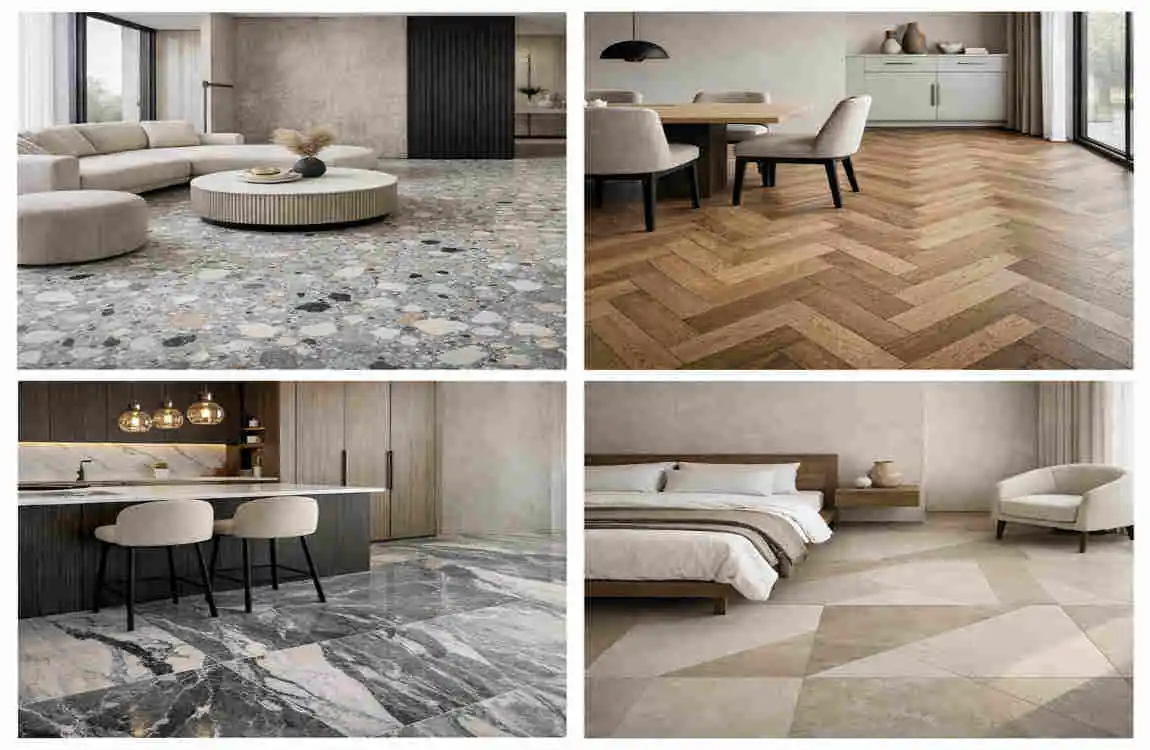
Modern homeowners are moving toward flooring that is simple, clean, and practical. Today, house floor design trends often prioritise style over effort.
Popular choices include:
- Large-format tiles for a smooth and open look
- Herringbone patterns for a stylish wood finish
- Chevron flooring for a bold visual effect
- Natural wood finishes for warmth and comfort
- Matte flooring for a soft, modern touch
- Stone-look tiles for a Premium feel
- Sustainable flooring for eco-friendly homes
- Mixed-material flooring for a unique interior style
These trends show that the best floor design for home is not only about looks. It is also about comfort, ease, and long-term value.
Common Flooring Mistakes to Avoid
Many people choose flooring based only on appearance. That can lead to problems later. Avoid these common mistakes:
- Choosing style over durability
- Ignoring maintenance needs
- Buying low-quality materials
- Forgetting moisture protection
- Not matching the floor with your lifestyle
When you avoid these mistakes, your flooring choice becomes much more practical and satisfying.
Floor Maintenance Tips
Good flooring lasts longer when you care for it properly. Follow these simple tips:
- Clean regularly to remove dust and dirt
- Use furniture pads to prevent scratches
- Avoid too much water on wood and laminate
- Fix scratches quickly before they get worse
- Follow product care instructions for best results
A little care goes a long way, especially with durable home flooring.
Frequently Asked Questions
What is the best floor design for a home?
The best floor design for a home depends on your budget, room type, and lifestyle. Hardwood, vinyl, porcelain tile, and engineered wood are all popular choices.
Which flooring is the most durable for a house?
Porcelain tile, granite, and luxury vinyl are among the most durable options for homes.
What is the best flooring for living rooms?
Hardwood, engineered wood, and luxury vinyl plank are excellent for living rooms because they look stylish and feel comfortable.
Which flooring is best for kitchens and bathrooms?
Water-resistant materials like porcelain tile, ceramic tile, and vinyl are best for kitchens and bathrooms.
What is the most affordable flooring option?
Laminate and sheet vinyl are usually the most affordable flooring options.
Which flooring adds the most value to a home?
Hardwood flooring is often seen as one of the best choices for increasing home value.
| Floor Design | Best For | Key Features | Pros | Maintenance Level |
|---|---|---|---|---|
| Hardwood Flooring | Living rooms, bedrooms | Natural wood finish, timeless look | Durable, elegant, increases home value | Medium |
| Luxury Vinyl Plank (LVP) | Kitchens, bathrooms, whole house | Waterproof, wood-like appearance | Affordable, scratch-resistant | Low |
| Porcelain Tile | Bathrooms, kitchens, entryways | Water-resistant, modern designs | Long-lasting, easy to clean | Low |
| Marble Flooring | Luxury homes, foyers | Premium natural stone | Elegant, unique patterns | High |
| Laminate Flooring | Bedrooms, offices | Wood-look at lower cost | Budget-friendly, easy installation | Low |
| Polished Concrete | Modern and industrial homes | Sleek, minimalist finish | Highly durable, low maintenance | Low |
| Engineered Wood | Living rooms, dining areas | Real wood top layer | More moisture-resistant than hardwood | Medium |
| Terrazzo Flooring | Contemporary homes | Stone chips with polished finish | Stylish, durable, eco-friendly | Low |
| Natural Stone (Slate/Granite) | Patios, entryways, luxury interiors | Distinctive natural texture | Strong, long lifespan | Medium |
| Herringbone Pattern Flooring | Living rooms, hallways | Decorative wood or vinyl layout | Adds visual appeal and sophistication | Medium |