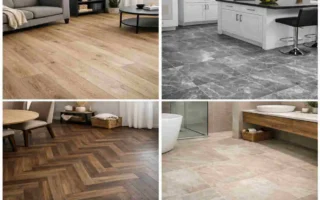
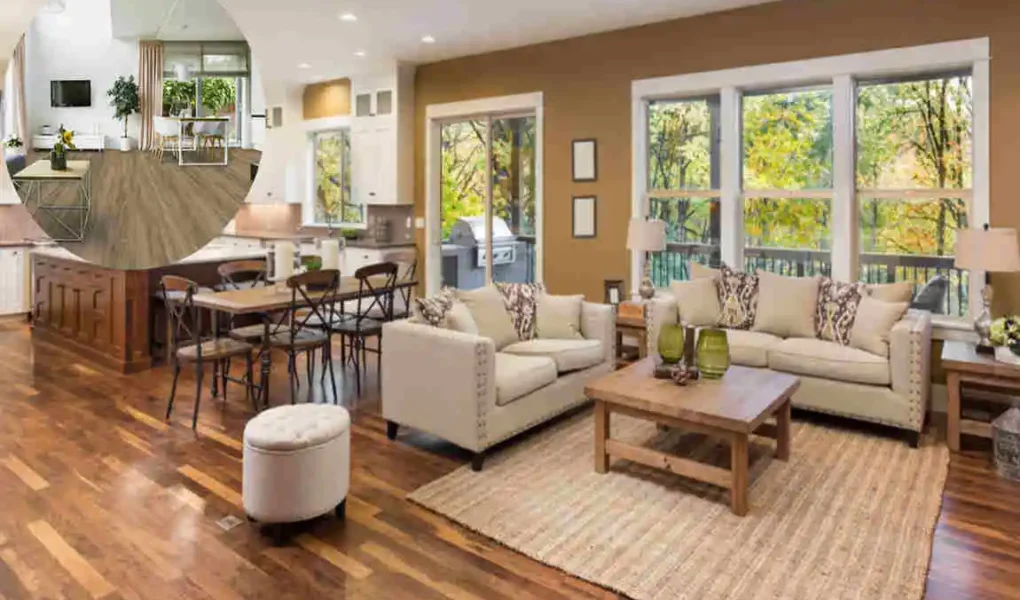
Choosing the best flooring for high-traffic areas is important when your floors endure constant foot traffic, spills, dirt, pets, children, or heavy furniture. Entryways, hallways, kitchens, living rooms, offices, and commercial spaces all need flooring that can handle everyday use.
The right flooring should do more than look attractive. You should also consider durability, water resistance, maintenance, comfort, safety, and long-term cost.
What Makes Flooring Suitable for High-Traffic Areas?
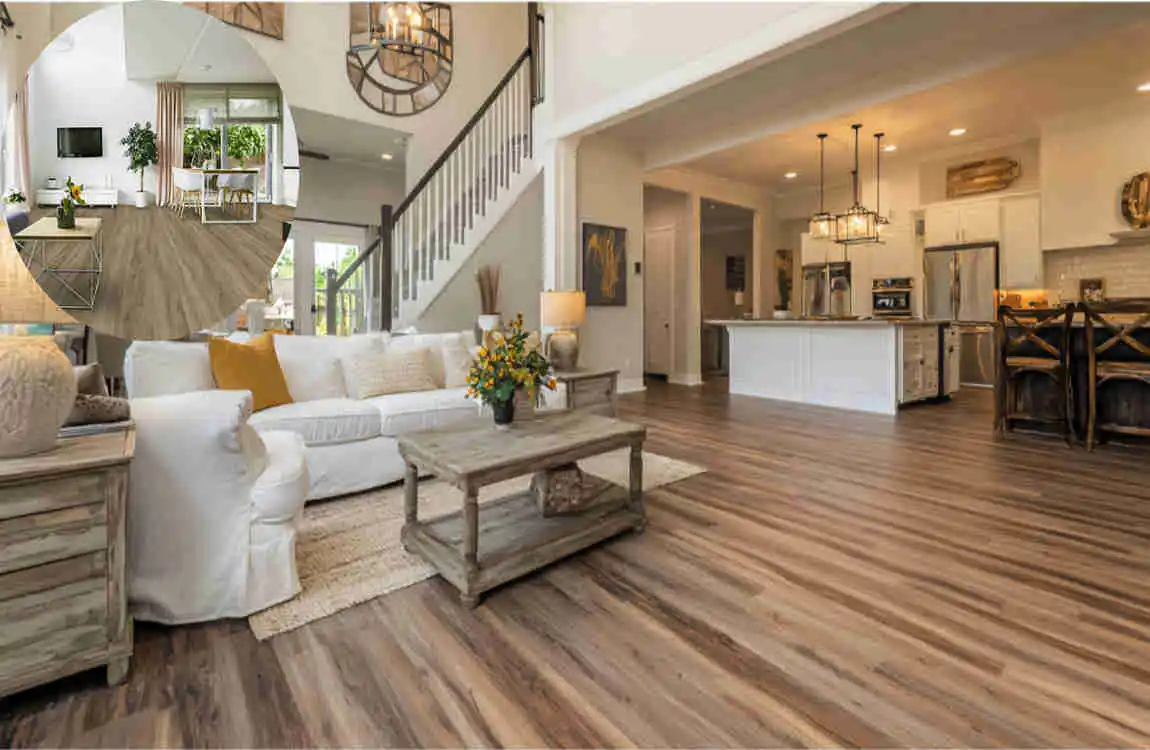
Not every attractive flooring material is designed for heavy daily use. High-traffic flooring needs to handle repeated pressure without quickly showing scratches, stains, dents, or signs of wear.
Durability and Wear Resistance
Durability should be one of your priorities. Look for flooring that can resist scratches, dents, stains, and surface wear.
The construction and thickness of flooring can also affect performance. However, thicker does not automatically mean better. Always consider the product’s quality, protective layer, installation method, and the manufacturer’s specifications.
Easy Maintenance
Busy areas need flooring that does not require complicated cleaning.
Water-resistant surfaces, stain-resistant finishes, and smooth materials are usually easier to maintain. Regular sweeping and quick cleanup of spills can also help extend the floor’s appearance.
Comfort and Safety
Durability is important, but comfort matters too. A hard tile floor may last for many years, while softer flooring can feel more comfortable underfoot.
For homes with children, older adults, or pets, consider slip resistance and surface texture when selecting flooring.
Long-Term Value
Do not judge flooring only by its purchase price. A cheaper floor that needs replacement sooner may end up costing more over time.
Instead, compare the material cost, installation, maintenance, repairs, and expected lifespan before making your final decision.
Best Flooring Options for High-Traffic Areas
Several flooring materials can perform well in busy spaces. The best choice depends on your room, budget, moisture exposure, and design preferences.
Luxury Vinyl Flooring
Luxury vinyl flooring is one of the most practical choices for busy homes. Quality vinyl can offer good resistance to daily wear, scratches, and moisture.
It comes in many wood, stone, and tile-inspired designs, making it easy to match different interiors.
Luxury vinyl works particularly well in kitchens, hallways, entryways, family rooms, and other active areas.
Porcelain and Ceramic Tile
Porcelain and ceramic tile are popular choices when durability and easy cleaning are priorities.
They can handle heavy use and are highly resistant to moisture. This makes them useful for kitchens, entryways, bathrooms, and many commercial environments.
The main drawback is that tile can feel hard or cold underfoot. Proper rugs and mats can make busy spaces more comfortable.
Hardwood Flooring
Hardwood offers a classic appearance and can last for many years when properly maintained.
One major advantage is that some hardwood floors can be sanded and refinished when their surface becomes worn. This can refresh the floor without replacing the entire installation.
For high-traffic areas, choose a durable wood species and a quality protective finish.
Laminate Flooring
Laminate can provide the appearance of hardwood at a generally more accessible price.
Many modern laminate products offer strong scratch resistance, making them useful for busy living rooms and hallways.
However, moisture resistance varies between products. Always check the manufacturer’s specifications before using laminate in areas where spills are common.
Natural Stone Flooring
Natural stone is extremely durable and can create a premium appearance. Options such as certain types of granite, slate, and other stone materials can work well in demanding environments.
However, stone may require sealing and regular maintenance depending on the material.
Installation can also be more complex, so include labor and subfloor preparation in your budget.
Commercial-Grade Carpet
Carpet provides softness and helps reduce noise, making it useful for offices, bedrooms, hospitality areas, and other spaces where comfort matters.
For busy areas, choose commercial-grade or highly durable carpet with stain-resistant properties.
Regular vacuuming and professional cleaning can help maintain its appearance.
Best Flooring for Different High-Traffic Areas
Best Flooring for Entryways and Mudrooms
Entryways often receive dirt, moisture, sand, and outdoor debris. Choose flooring that is easy to clean and resistant to water and scratches.
Porcelain tile and quality luxury vinyl are practical choices for many homes.
Use entrance mats to catch dirt and moisture before they reach the main floor.
Best Flooring for Hallways
Hallways receive repeated foot traffic every day. Choose a material that can withstand constant walking while maintaining a consistent appearance.
Luxury vinyl, durable laminate, tile, and quality hardwood can all work well depending on the home’s needs.
Best Flooring for Kitchens
Kitchen floors need to handle spills, stains, food particles, and frequent cleaning.
Water-resistant luxury vinyl and porcelain tile are popular options. Hardwood can also work when properly selected and maintained.
Best Flooring for Living Rooms
Living rooms require a balance between appearance, comfort, and durability.
Hardwood, luxury vinyl, laminate, and durable carpet can all be suitable. Think about your lifestyle before choosing. A household with pets and young children may benefit from a different material than a quiet adult household.
Best Flooring for Offices and Commercial Spaces
Commercial areas typically experience heavier foot traffic than residential rooms.
Durable vinyl, porcelain tile, commercial carpet, and other commercial-grade materials can be considered depending on the environment.
Maintenance requirements should be a major factor in the decision because commercial floors require frequent cleaning.
Flooring Comparison for High-Traffic Areas
Flooring Type Durability Maintenance Water Resistance Best For
Luxury Vinyl High Easy Excellent Kitchens, hallways
Porcelain Tile Excellent Easy Excellent Entryways, kitchens
Hardwood High Moderate Low–Moderate Living rooms
Laminate High Easy Moderate Living areas
Natural Stone Excellent Moderate Varies Luxury spaces
Carpet Moderate–High Moderate Low Offices, bedrooms
How to Choose the Best Flooring for High-Traffic Areas
Consider the Amount of Foot Traffic
Start by asking how much activity the room receives.
A hallway used daily by several family members needs more durable flooring than a guest room used only occasionally.
Also consider children, pets, guests, furniture movement, and commercial activity.
Think About Moisture Exposure
Moisture can damage certain flooring materials. Kitchens, entryways, mudrooms, and other spill-prone areas need materials that can handle water.
If moisture is a major concern, prioritize flooring with strong water-resistant properties.
Check the Flooring’s Wear Rating
Do not choose flooring based only on photographs or showroom appearance. Review the product’s durability information and manufacturer ratings.
Pay attention to details such as wear layers, scratch resistance, warranty terms, and recommended applications.
Consider Installation Requirements
Different materials require different installation methods.
Some floors can be installed floating, while others may require glue, nails, or specialized preparation. Tile and natural stone can require additional labor and subfloor preparation.
Include installation costs when calculating your total budget.
Match Flooring With Your Home’s Style
Durability should come first, but appearance still matters.
Consider the floor’s color, texture, plank size, pattern, and finish. Choose something that works with your walls, furniture, cabinets, and overall home design.
Common Flooring Mistakes to Avoid
One of the biggest mistakes is choosing flooring based only on price. A low purchase price does not always mean better value.
You should also avoid ignoring moisture conditions, choosing a material that requires more maintenance than you can manage, and failing to prepare the subfloor correctly.
Do not forget to read the warranty before buying. A warranty can help you understand what the manufacturer expects regarding installation, cleaning, and normal use.
Finally, do not choose appearance over performance. The most beautiful floor is not necessarily the best floor for your household.
How to Maintain High-Traffic Flooring
Even the most durable flooring needs regular care.
Sweep or vacuum regularly to remove dirt and grit that can scratch the surface. Clean spills promptly rather than allowing moisture or stains to remain.
Use cleaning products recommended for your specific flooring material. Avoid harsh products that could damage the protective finish.
Place mats at entrances and use furniture pads under heavy furniture. These simple steps can reduce scratches and unnecessary wear.
Most importantly, follow the manufacturer’s cleaning and maintenance recommendations.
Cost Factors to Consider Before Buying
The actual cost of flooring goes beyond the price of the material.
Consider:
- Material and delivery costs
- Installation labor
- Subfloor preparation
- Underlayment
- Removal of old flooring
- Repairs and maintenance
- Expected lifespan
For example, a flooring material with a higher initial price may provide better long-term value if it lasts significantly longer and requires fewer repairs.
Think about the total cost of ownership, not just the price per square foot.
Best Flooring for High-Traffic Areas: Final Buying Tips
Before purchasing flooring, consider the following:
- Identify the amount of foot traffic.
- Check moisture and spill exposure.
- Compare durability specifications.
- Set a realistic total budget.
- Review maintenance requirements.
- Check the warranty.
- Consider professional installation when necessary.
- Choose a design that complements your home.
Taking a little extra time to compare flooring options can prevent expensive mistakes later.
Frequently Asked Questions
What is the best flooring for high-traffic areas?
There is no single material that works best everywhere. Luxury vinyl, porcelain tile, hardwood, laminate, and natural stone can all perform well depending on the room and your specific needs.
Is vinyl flooring good for high-traffic areas?
Yes. Quality luxury vinyl can be an excellent option for busy residential spaces because it offers durability, water resistance, low maintenance, and a wide range of design options.
What flooring lasts the longest in a busy home?
Porcelain tile, natural stone, and properly maintained hardwood can provide very long service lives. However, installation quality and regular maintenance have a major effect on longevity.
Is laminate flooring good for heavy foot traffic?
Yes, many laminate products are designed to handle busy household areas and offer good scratch resistance. However, moisture resistance varies, so check the specific product before installation.
What is the easiest high-traffic flooring to maintain?
Luxury vinyl and tile are generally practical choices when easy maintenance is a priority. Both can be relatively simple to clean when properly installed and cared for.
What flooring is best for homes with pets?
Look for flooring with scratch resistance, stain resistance, durability, and easy cleaning. Luxury vinyl, tile, and certain laminate products can be practical choices for pet-friendly homes.
| Flooring Type | Maintenance | Best For | Buying Tip | |
|---|---|---|---|---|
| Luxury Vinyl Plank (LVP) | Easy | Hallways, kitchens, living rooms | Choose a thick wear layer for better protection | |
| Porcelain Tile | Very Easy | Entryways, kitchens, commercial spaces | Look for slip-resistant and durable finishes | |
| Laminate Flooring | Easy | Living rooms, bedrooms, hallways | Choose water-resistant, scratch-resistant options | |
| Hardwood Flooring | Moderate | Living rooms, offices | Select harder wood species for busy areas | |
| Engineered Wood | Moderate | Living rooms, dining areas | Choose a strong top veneer and quality finish | |
| Concrete Flooring | Low | Garages, basements, modern interiors | Seal it properly to prevent stains and moisture damage |