If you are asking “wood flooring legit”, you are really asking a practical question: Is wood flooring a good choice, or is it just a pretty option that looks better than it performs?
The short answer is yes, wood flooring can be legit for many homes. It looks natural, feels warm, and can last a long time when you choose the right type and take care of it properly.
But it is not perfect for every room or every budget. Some wood floors are more durable than others, some handle moisture better, and some cost a lot more upfront. So if you are comparing flooring options, it helps to understand the pros, the drawbacks, and what makes a product worth buying.
Wood Flooring Legit: What Does It Mean?
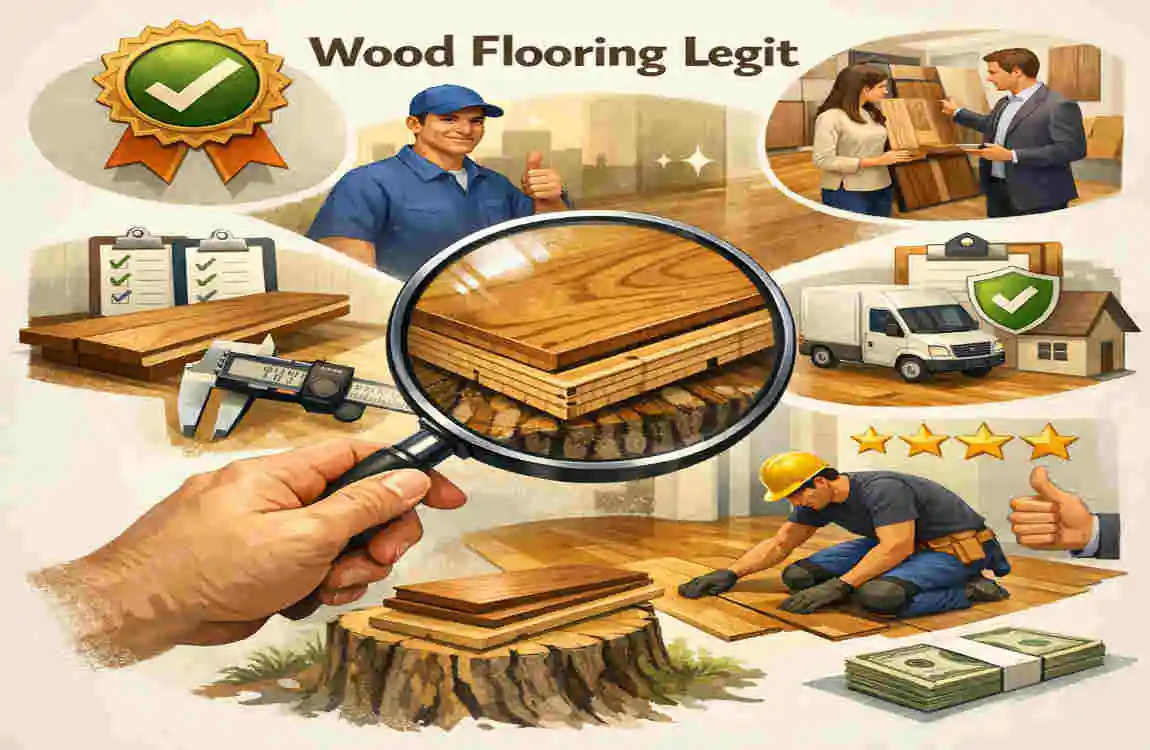
When people search “is wood flooring legit”, they usually want to know whether it is real, reliable, and worth the money.
That question makes sense. Flooring is a big purchase, and you want something that looks good, performs well, and does not become a headache later.
Wood flooring is usually seen as a strong option because it can offer:
- Natural beauty
- Long-lasting use
- Good home appeal
- A wide range of styles
Still, the answer depends on the type of wood floor you choose. Solid hardwood, engineered wood, and wood-look alternatives all perform differently.
Types of Wood Flooring to Know Before Buying
Solid Hardwood Flooring
Solid hardwood is made from one solid piece of wood. It is the classic option most people picture when they think of real wood flooring.
It often comes in species like oak, maple, walnut, hickory, and cherry. These woods vary in colour, hardness, and price.
One major benefit is that solid hardwood can often be refinished many times. That means you can sand it down and give it a fresh surface when it gets worn.
It works best in rooms with stable conditions, like living rooms, bedrooms, and dining rooms.
Engineered Wood Flooring
Engineered wood is also real wood, but it is built in layers. The top layer is real hardwood, while the inner layers add stability.
This design helps the floor handle humidity changes better than solid wood.
That makes engineered wood a smart choice for:
- Rooms with moderate moisture changes
- Homes in humid or dry climates
- Areas where solid hardwood might move too much
For many buyers, engineered wood is one of the best wood flooring options because it gives the look of hardwood with a little more flexibility.
Reclaimed and Specialty Wood Flooring
Reclaimed wood comes from older buildings, barns, or other reused materials. People like it for its character, history, and more natural, aged look.
It can also appeal to buyers who care about sustainability.
Still, reclaimed flooring needs careful checking. Quality may vary, and installation can be more complicated than with standard products.
Wood-Look Alternatives
Not every product that looks like wood is real wood.
Some popular alternatives include:
- Laminate
- Luxury vinyl plank
- Wood-look tile
These options can be cheaper and sometimes better for wet areas. But they don’t offer the same feel or value as real wood flooring.
Pros of Wood Flooring: Why It Can Be a Legit Choice
Attractive and Timeless Appearance
One of the biggest reasons people choose wood is simple: it looks good.
Wood has natural grain, colour changes, and texture that make a room feel warm and lived-in. It works well in modern homes, rustic homes, classic interiors, and even luxury spaces.
It also pairs well with many finishes and stains, so you can change the room’s feel without changing the flooring type.
Long-Term Durability
A good wood floor can last for many years, and in some cases, for decades.
That does not mean it will stay perfect forever. Scratches, dents, and wear can happen. But quality wood, especially harder species, tends to handle normal life better than many cheap flooring options.
If you want durable wood floors, the wood species and finish matter.
Can Improve Home Appeal
Many buyers view hardwood as a sign of quality. That does not mean it guarantees a higher sale price, but it can make a home feel more polished and attractive.
If you care about long-term home appeal, wood flooring is often a strong choice.
Can Be Refinished
This is one of the best parts of wood flooring.
If the surface becomes dull or scratched, refinishing can bring it back to life. Solid hardwood is usually easier to refinish than engineered wood. However, some engineered products can also be refinished depending on the wear layer.
That means the floor may last much longer than a surface that cannot be restored.
Easy to Maintain
Wood floors are usually easy to care for if you stay consistent.
A simple routine often includes:
- Sweeping or vacuuming regularly
- Cleaning spills quickly
- Using a damp, not wet, mop
- Avoiding harsh cleaners
That makes daily care manageable for many households.
Wide Range of Styles
Wood flooring comes in many looks.
You can choose from:
- Wide planks or narrow planks
- Matte or glossy finishes
- Light, medium, or dark stains
- Smooth or textured surfaces
This makes it easier to match cabinets, wall colours, furniture, and your overall design style.
Cons of Wood Flooring: What Buyers Should Consider
Higher Initial Cost
Wood flooring usually costs more than laminate or vinyl.
That is because you are paying for:
- Better materials
- More detailed manufacturing
- Skilled installation
- Possible finishing work
If you are comparing hardwood flooring, cost is often the first concern. It can be worth it, but only if it fits your budget.
Sensitive to Moisture
Wood and water do not mix well.
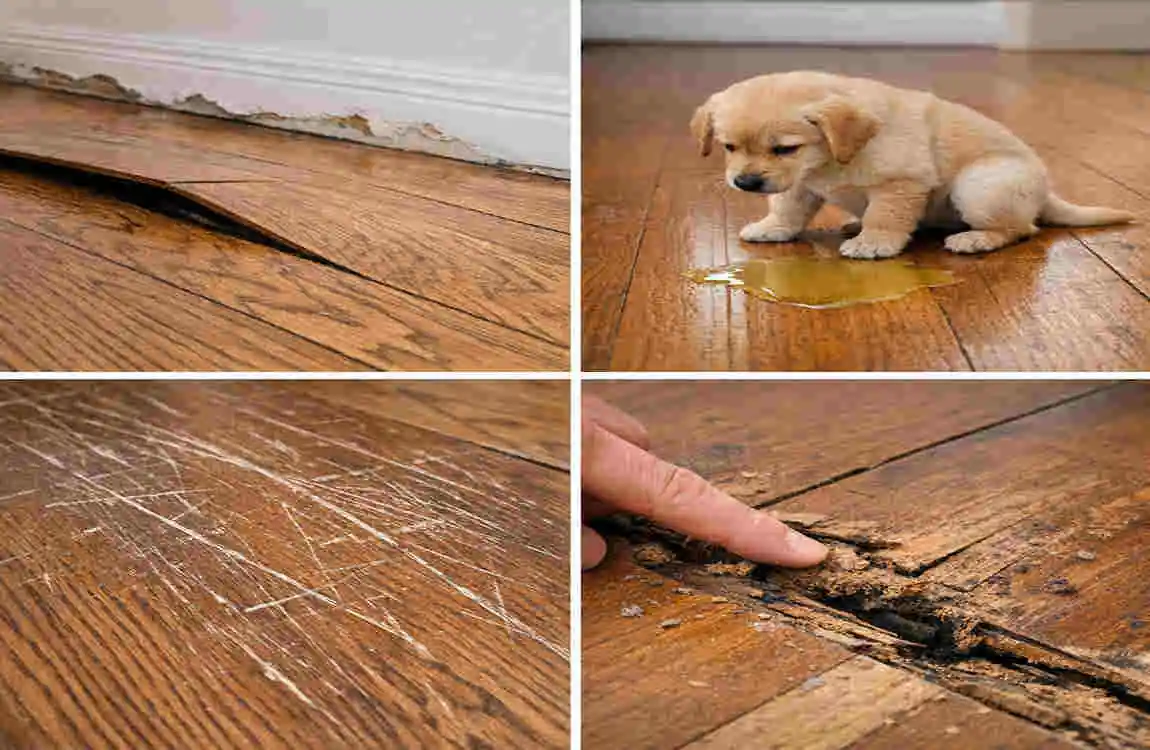
Too much moisture can cause warping, swelling, or damage over time. That is why wood flooring is usually not the best choice for bathrooms, laundry rooms, or other places with frequent spills.
Humidity control also matters. A room that stays too damp or too dry can put stress on wood floors.
Can Scratch or Dent
Wood can show wear, especially in busy homes with kids, pets, and heavy furniture.
Harder wood species resist dents better, but no wood floor is completely scratch-proof.
Using rugs, furniture pads, and protective felt can help reduce damage.
Requires Proper Installation
A wood floor may look simple, but good installation takes planning.
The subfloor must be ready. The planks may need time to adjust to the room. And expansion gaps matter because wood naturally moves with temperature and humidity.
If you rush the installation, problems can show up later.
May Need Refinishing
Refinishing is a benefit, but it is also a maintenance cost to think about.
Over time, the floor may need sanding, sealing, or new finish work. That’s another reason the total cost goes beyond the purchase price.
Quick Comparison Table
Flooring TypeMain StrengthMain WeaknessBest Use
Solid hardwood Long life and refinishing Sensitive to moisture Living rooms, bedrooms, dining rooms
Engineered wood More stable in changing humidity Limited refinishing on some products Many rooms, including areas with moderate climate changes.
Reclaimed wood Character and unique look Quality can vary Design-focused spaces.
Wood-look alternatives Lower cost and moisture resistance Not real wood Budget-friendly or wet-prone areas
How to Choose Legit Wood Flooring for Your Home
Check Wood Quality
Not all wood flooring is the same.
Look at:
- Wood species
- Thickness
- Construction
- Finish quality
These details affect how the floor looks, wears, and lasts.
Choose the Right Wood Species
Some woods are harder and more dent-resistant than others.
Common options include:
- Oak: balanced and popular
- Maple: clean look, strong feel
- Walnut: rich colour, softer than oak
- Hickory: very durable, bold grain
- Cherry: elegant but softer
If your home gets a lot of traffic, harder species may be better.
Select the Right Finish
Finish affects both appearance and upkeep.
- Matte: hides small flaws well
- Satin: popular, easy to live with
- Semi-gloss: shinier, shows marks more
- High-gloss: polished look, more upkeep
Finish type can also affect how often you clean and how visible scratches become.
Think About Room Conditions
Before buying, ask yourself:
- Is the room humid?
- Does it get direct sunlight?
- Is foot traffic heavy?
- Will there be spills often?
- Does the room need extra stability?
These questions help you decide whether solid wood or engineered wood makes more sense.
Verify the Seller and Product
A legitimate seller should give clear product details.
Check for:
- Product specifications
- Warranty terms
- Installation instructions
- Return policy
- Clear business information
If the seller is vague or avoids details, that is a warning sign.
Wood Flooring Buying Tips, Cost & Maintenance
How Much Does Wood Flooring Cost?
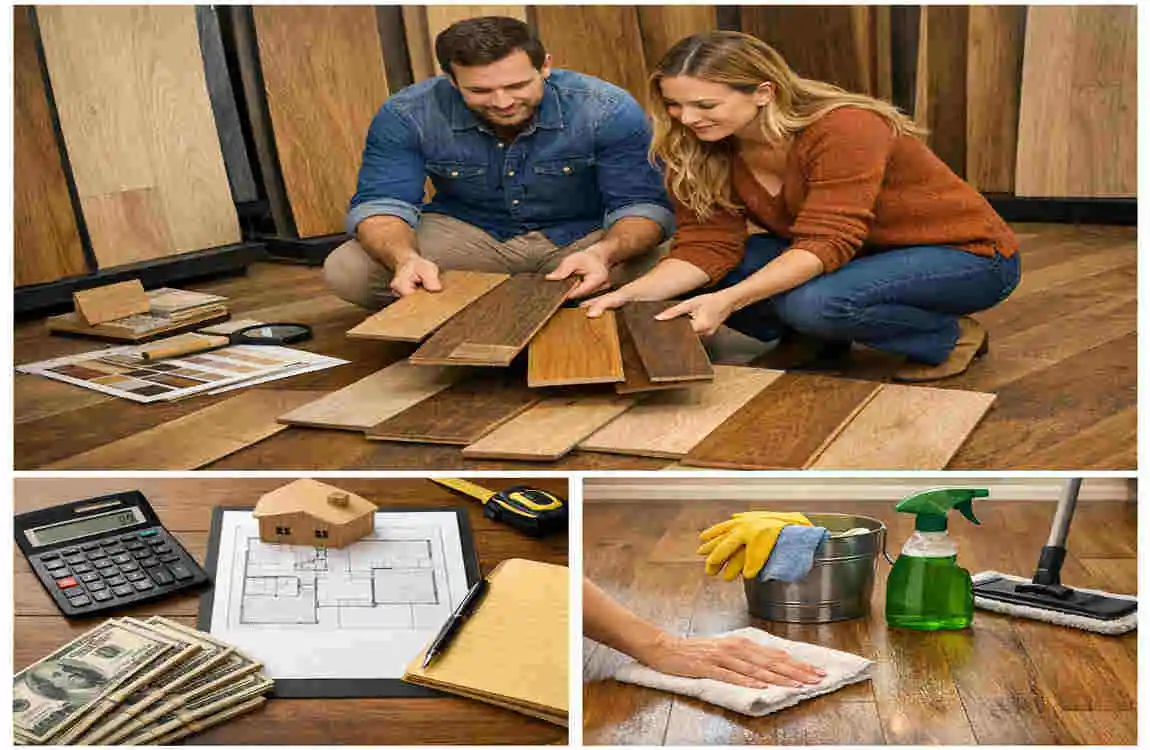
The total cost depends on more than just the planks.
You may pay for:
- Material
- Underlayment
- Labor
- Old floor removal
- Finishing work
Prices also change based on room size and local labour rates. So a small room may still cost more than expected if the installation is complex.
Questions to Ask Before Buying
Before you decide, ask:
- Is this solid hardwood or engineered wood?
- How thick is the wear layer?
- What finish comes with it?
- Is installation included?
- What does the warranty cover?
- How should I clean it?
These questions help you avoid surprises.
How to Maintain Wood Floors
Wood floors stay looking better when you keep care simple.
- Sweep often
- Clean spills fast
- Use the right cleaner
- Keep water use low
- Add pads under furniture
- Reduce strong sunlight when possible
That small routine helps protect the surface over time.
Common Buying Mistakes
Try to avoid these mistakes:
- Choosing only based on looks
- Ignoring moisture conditions
- Buying the cheapest option without checking quality
- Forgetting installation costs
- Not ordering enough material
- Skipping warranty review
These issues can turn a good product into a frustrating one.
FAQ About Wood Flooring Legit
Is wood flooring legit and worth buying?
Yes, wood flooring is legit for many homes. It is often worth buying if you want a natural look, strong home appeal, and a floor that can last a long time.
Is real wood flooring better than laminate?
Usually yes, if you want a more natural look and better long-term value. Laminate can be cheaper and easier to replace, but it does not feel like real wood.
Is engineered wood flooring legit?
Yes. Engineered wood is real wood flooring with a layered structure that improves stability in many homes.
How long does real wood flooring last?
With proper care, real wood flooring can last for many years. Solid hardwood often lasts longer because it can be refinished more times.
Is wood flooring good for every room?
No. It works best in dry, climate-controlled rooms. Moisture-prone spaces may be better with another flooring type.
Does wood flooring increase home value?
It can improve home appeal, but it does not guarantee a certain return. Buyers often like it because it looks high quality.
| Aspect | Information |
|---|---|
| What Is Wood Flooring? | A natural or engineered flooring option made from real wood. |
| Main Pros | Attractive appearance, durability, timeless style, and can increase a home’s visual appeal. |
| Main Cons | Can be expensive, may scratch or dent, and some types are sensitive to moisture. |
| Solid Hardwood | Made from a single piece of natural wood and can usually be refinished several times. |
| Engineered Wood | Uses a real-wood top layer over a layered core, offering better dimensional stability. |
| Best Rooms | Living rooms, bedrooms, dining rooms, hallways, and other relatively dry areas. |
| Moisture Consideration | Avoid prolonged water exposure; engineered options may perform better in areas with humidity changes. |
| Buying Tip | Check wood species, thickness, finish, installation method, warranty, and overall quality before buying. |