Plastic under vinyl flooring is a topic many homeowners ask about when they want extra moisture protection or a simple barrier beneath the floor. It sounds like a smart idea, and sometimes it is. But it is not a one-size-fits-all solution.
People usually consider plastic for a few reasons. They want to block moisture, reduce vapor movement, protect the floor, or add a little extra separation between the vinyl and the subfloor. That can be helpful in some cases, but the right choice depends on the flooring type and the surface below it.
Vinyl flooring comes in different forms, such as vinyl plank, vinyl sheet, and luxury vinyl flooring. Each one may have different installation needs. That is why it’s important to follow the manufacturer’s instructions instead of guessing.
What Is Plastic Under Vinyl Flooring?
Basic Meaning
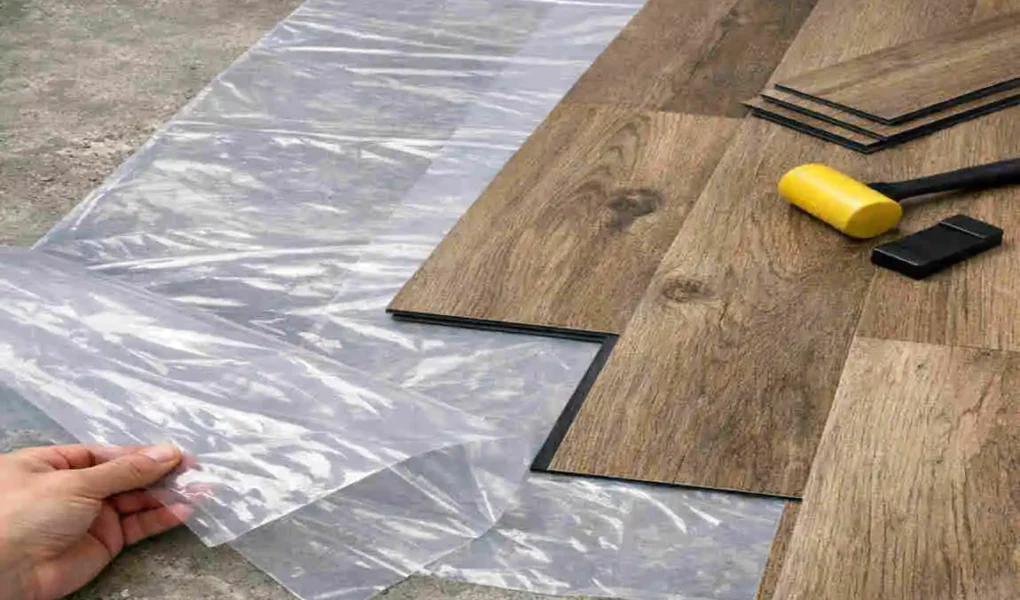
Plastic under vinyl flooring usually means a thin plastic sheet or vapor barrier placed between the subfloor and the flooring. It is often used to slow down moisture movement from below.
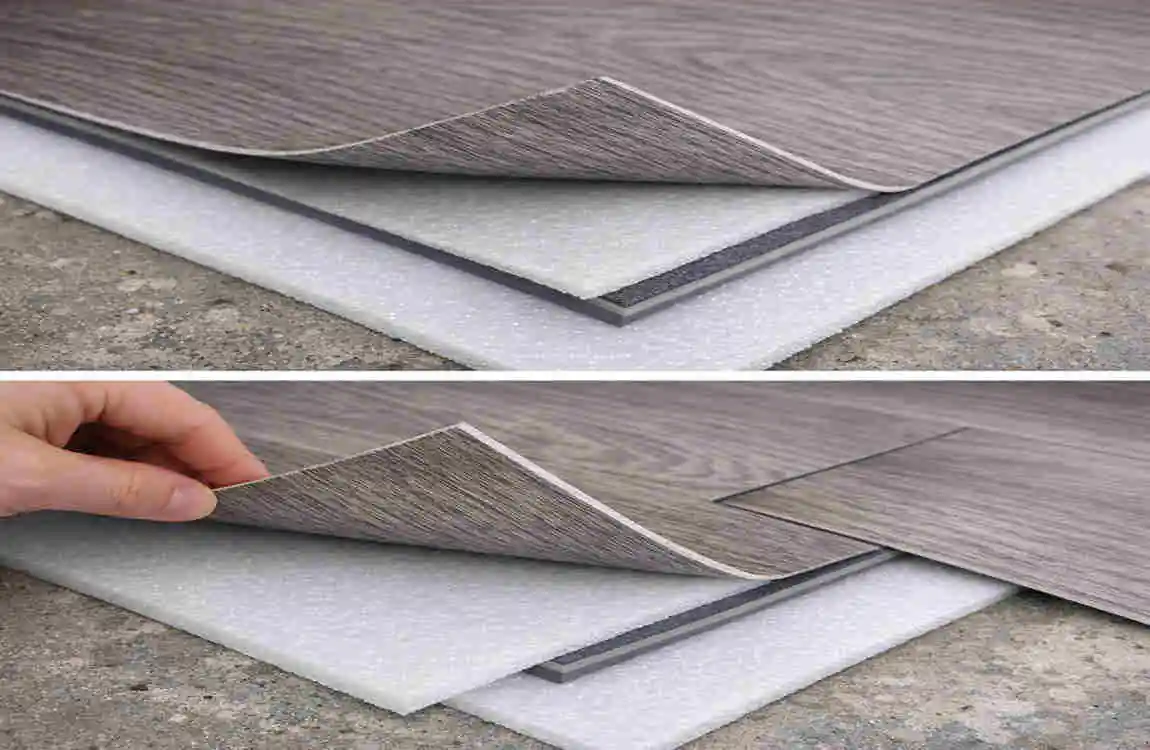
This is not the same thing as cushioned underlayment. It does not always add comfort or sound reduction. Its main job is usually moisture control.
Plastic Sheeting vs. Underlayment
These terms get mixed up a lot, but they are not the same.
- Plastic sheeting: mostly used as a moisture barrier
- Underlayment: may add cushioning, sound control, or floor support
- Vapor barrier: helps slow moisture vapor from moving upward
A product can sometimes do more than one job, but not always. That is why it helps to know exactly what you are using.
Why It Matters
The type of vinyl flooring matters. A floating vinyl plank floor may need a different setup than a glue-down vinyl floor. Some vinyl products already include a built-in pad, so adding plastic underneath could cause problems.
Pros of Putting Plastic Under Vinyl Flooring
Moisture Protection
One of the biggest reasons people use plastic is moisture protection. This is especially useful when installing flooring over concrete slabs, where moisture can move up from below.
Plastic can help reduce that movement and protect the floor from damage caused by damp conditions.
Vapor Control
Plastic can act as a vapor-retarding layer when it is approved for the flooring system. That means it may slow the amount of moisture vapor reaching the vinyl.
This can be useful in the right setting, especially when the manufacturer allows it.
Affordable and Easy to Use
Plastic sheeting is often cheaper than many specialty flooring products. It is also easy to cut and position, which makes it appealing for DIY projects.
That said, easy installation does not mean it is always the right choice.
Helpful in Certain Conditions
Plastic under vinyl flooring can be useful in selected situations, such as:
- Some concrete subfloors
- Moisture-prone rooms
- Approved flooring systems that require a vapor barrier
The key word is approved. It only helps when the flooring and subfloor are compatible.
Cons of Plastic Under Vinyl Flooring
It Can Trap Moisture
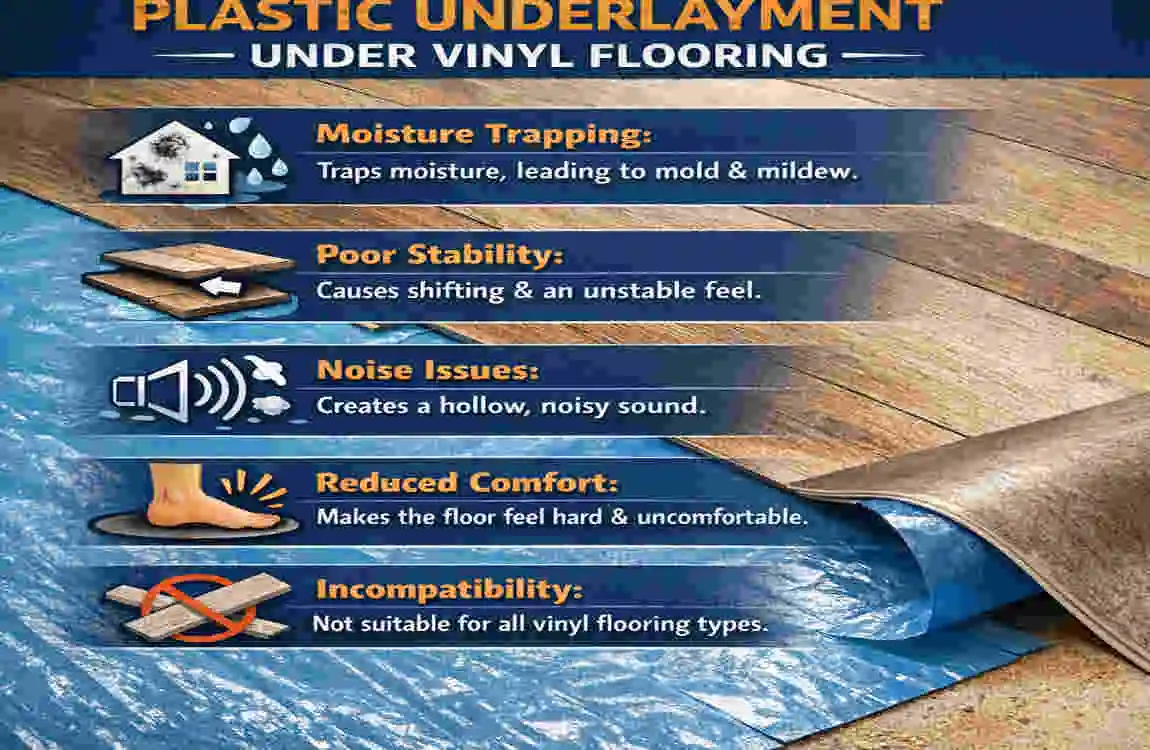
This is the biggest concern. If moisture gets sealed in the wrong way, it can create bigger problems instead of solving them.
Trapped moisture can lead to odor, mold, and floor damage. So plastic is not automatically a safe fix.
It May Cause Movement
Some vinyl floors need a stable base. If the plastic layer is too soft, too thick, or not approved, the floor may move or feel unstable.
That can affect the locking system in floating planks or create trouble with glue-down products.
It Can Affect Warranties
Flooring manufacturers often have very specific rules. If you ignore them, you may void the warranty.
That is why it is always smart to check the installation guide before adding anything under the floor.
It Is Not Always Needed
Some vinyl flooring already has attached underlayment or built-in moisture resistance. In those cases, extra plastic may not help.
It might even create unnecessary layers and problems.
It Can Hide Bigger Problems
Plastic is not a fix for an uneven, cracked, or damp subfloor. If the surface below the flooring has issues, repair those first.
Otherwise, the new floor may fail sooner than expected.
Is Plastic Necessary Under Vinyl Flooring?
No Universal Answer
No single answer fits every project. Whether you need plastic depends on several things.
Main Factors to Consider
- Type of vinyl flooring
- Condition of the subfloor
- Moisture level
- Room location
- Manufacturer instructions
- Whether the flooring already has a pad
On Concrete
Concrete often needs the most attention for moisture. If the flooring maker allows it, plastic can help as a vapor barrier.
Moisture testing is often a smart step before installation. That helps you know whether the slab is too damp for vinyl.
On Wood
Wood subfloors are different. They breathe and move more than concrete, so trapping moisture against them can cause trouble.
If the wood is in good shape and dry, you may not need plastic. In some cases, it can even work against the floor.
In Basements
Basements often have more moisture and humidity than other areas. That makes careful planning very important.
If there is a known water issue, fix it first. Do not use plastic to cover up a damp basement problem.
In Bathrooms and Kitchens
These rooms deal with spills, splashes, and humidity. That doesn’t always mean plastic is required, but moisture control still matters.
You also need the right waterproofing around sinks, tubs, and other wet areas.
How to Install Plastic Under Vinyl Flooring
Prepare the Subfloor First
Before anything goes down, clean the subfloor well. Remove dust, debris, loose bits, and anything that could create bumps.
The surface should also be dry and level enough for the flooring type you are using.
Measure and Cut Carefully
Cut the plastic to fit the room. Lay it flat and avoid wrinkles, folds, or raised edges.
If the product instructions allow seams, follow those directions closely.
Install the Flooring Properly
Install the flooring according to its specific method. Floating floors and glue-down floors use different approaches.
For Floating Vinyl Planks
- Leave proper expansion gaps
- Keep the base firm, not overly soft
- Check that the locking joints fit tightly
For Glue-Down Vinyl
- Make sure the adhesive can bond correctly
- Do not use a layer that interferes with the glue
- Follow the adhesive instructions exactly
Inspect the Finished Floor
After installation, check for:
- Buckling
- Gaps
- Soft spots
- Movement
- Uneven areas
Catching these problems early can save a lot of trouble later.
Best Alternatives and Tips for Using Plastic Under Vinyl Flooring
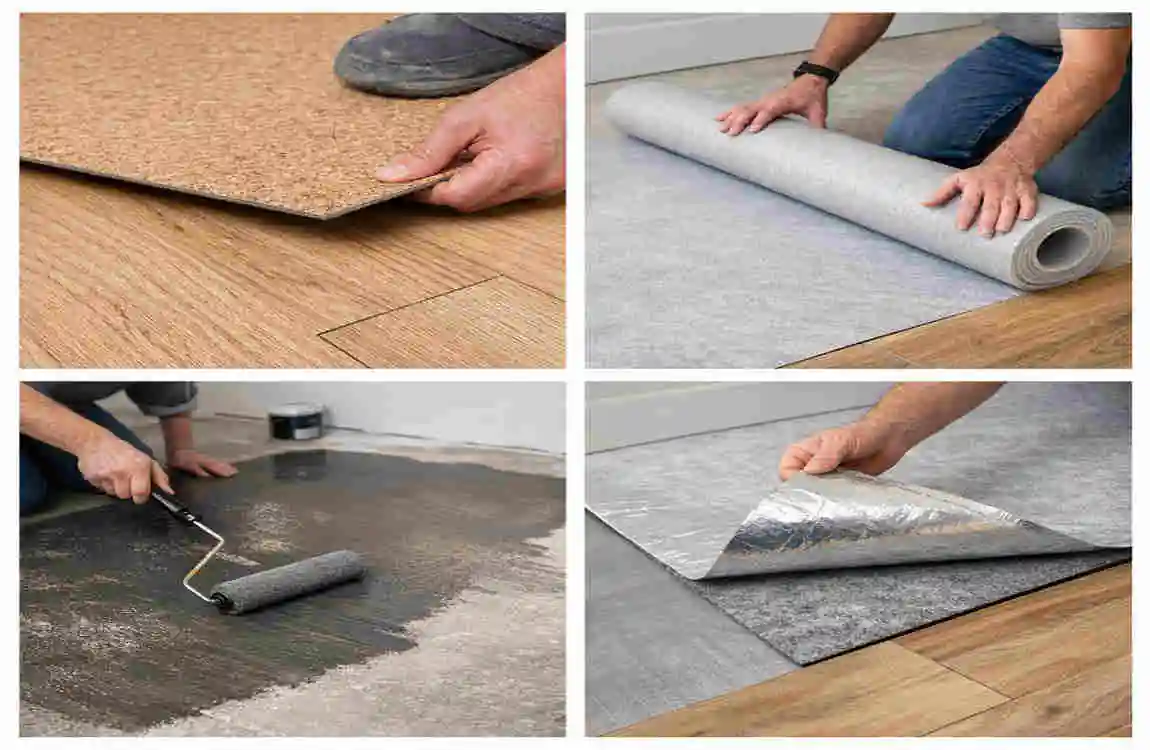
Choose the Right Underlayment
Sometimes the best choice is not plastic at all. A manufacturer-approved underlayment may be better for sound, comfort, and moisture control.
Don’t Cover a Bad Subfloor
If the subfloor is wet or damaged, fix that first. Never use plastic to hide a bigger problem.
Keep It Simple
Avoid stacking multiple layers unless the flooring instructions say it is okay. Too many layers can create instability.
Common Mistakes to Avoid
- Installing plastic without checking the flooring guide
- Using plastic that is too thick
- Covering damp floors instead of fixing the moisture source
- Using plastic under glue-down vinyl without approval
- Ignoring expansion space
- Assuming every vinyl floor needs a vapor barrier
Maintenance After Installation
After installation, watch for moisture problems, shifting, or damage. Fix leaks quickly and keep indoor humidity under control.
FAQ About Plastic Under Vinyl Flooring
Can you put plastic under vinyl flooring?
Sometimes yes, but only when the flooring type and manufacturer instructions allow it.
What type of plastic should go under vinyl flooring?
Usually a vapor-barrier plastic or approved underlayment is used, depending on the project.
Do I need plastic under vinyl flooring on concrete?
Maybe. Concrete moisture levels and product instructions should guide the decision.
Can plastic under vinyl flooring cause mold?
It can, if it traps moisture instead of managing it properly.
Can you put plastic under luxury vinyl plank flooring?
Yes, in some cases, but it depends on whether the floor is floating or glue-down.
Does vinyl flooring need an underlayment?
Not always. Some vinyl products already include one.
What happens if you put the wrong underlayment under vinyl flooring?
You may get movement, poor adhesion, or warranty problems.
Can plastic go under vinyl flooring on a wood subfloor?
In some cases, it can, but wood subfloors need special care because they react differently to moisture.
Is a vapor barrier the same as underlayment?
No. A vapor barrier controls moisture. Underlayment may add cushioning, sound control, or support.
What should I put under vinyl flooring?
Use the layer that matches your vinyl type, subfloor condition, and manufacturer rules.
| Aspect | Information |
|---|---|
| What It Is | A plastic layer or sheet placed beneath vinyl flooring |
| Main Purpose | Moisture protection, cushioning, and surface separation |
| Pros | Helps resist moisture, adds protection, and can improve floor comfort |
| Cons | May trap moisture, cause unevenness, or affect flooring stability |
| Best Use | Suitable when the flooring manufacturer specifically allows an underlayment |
| Moisture Tip | Ensure the subfloor is clean, dry, and properly prepared |
| Installation Tip | Avoid thick or soft plastic layers unless recommended by the flooring manufacturer |
| Key Advice | Always check the vinyl flooring installation instructions before adding plastic underneath |