Natural stone has always had a strong place in home design, but today it feels more popular than ever. Many homeowners want floors that look beautiful, last a long time, and feel connected to nature.
That is exactly why the stone house floor is getting so much attention. It brings together beauty, strength, and natural character in a way that many other flooring types cannot match.
Stone flooring also works well in many home styles. You can use it in a traditional house, rustic home, Mediterranean space, farmhouse interior, or modern design. It can feel warm and classic, or clean and sleek, depending on the stone and finish you choose.
What Is the Stone House Floor?
Understanding Natural Stone Flooring
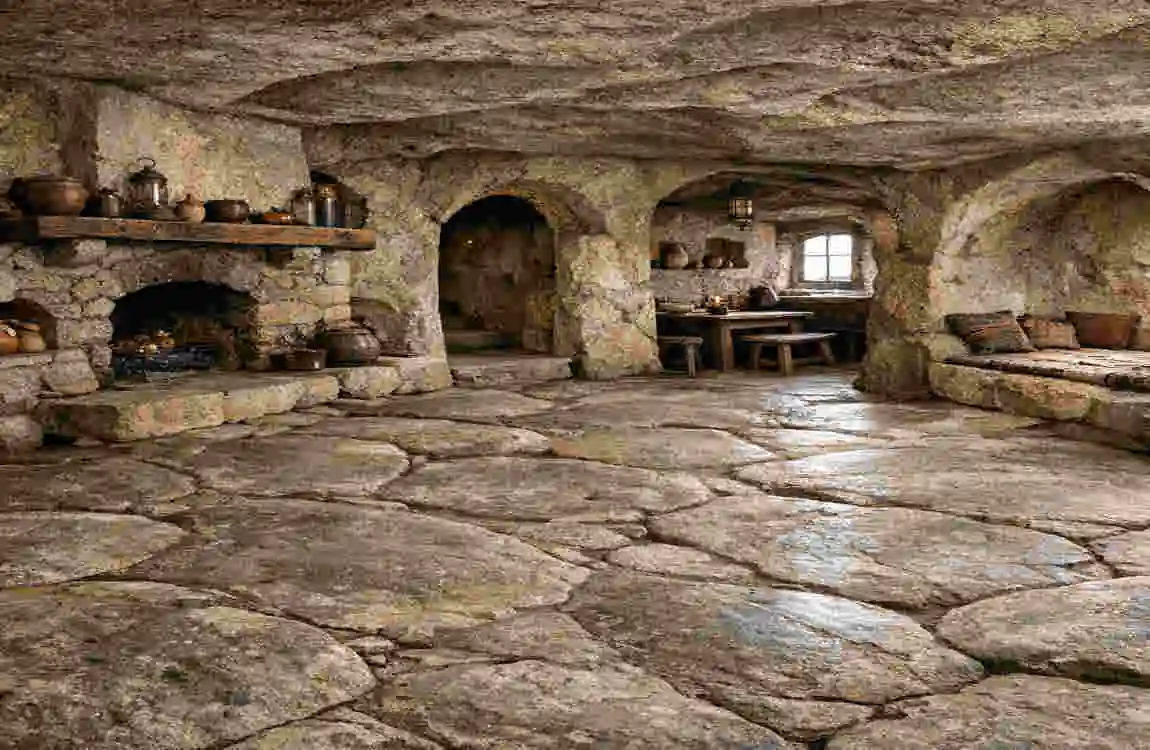
Natural stone flooring comes from the earth. It is quarried, cut, shaped, and finished into tiles or slabs for installation in a house.
This is different from ceramic or porcelain tile. Those are manufactured products. Stone is natural, so each piece has its own color, texture, and pattern.
That natural variation is one of the main reasons people love it. No two floors look the same. A stone floor can feel more organic, rich, and unique than many other flooring options.
Why Homeowners Choose Stone Floors
People choose stone for many reasons, but durability is one of the biggest. A well-installed stone floor can last for decades.
The look is another major reason. Stone has a timeless style that rarely feels outdated. It can work with many interior themes and still feel current years later.
Stone also helps create a more grounded, high-end feel. If you want a floor that adds character without relying solely on trends, natural stone flooring is a strong option.
Where Can Stone Flooring Be Used?
Stone is versatile enough for many areas of the home.
It works especially well in:
- Kitchens
- Entryways and hallways
- Living rooms
- Bathrooms
- Mudrooms
- Outdoor-connected spaces
Some stones are better for wet or busy areas than others. That is why it is important to match the stone to the room.
Popular Types of Stone Flooring for Houses
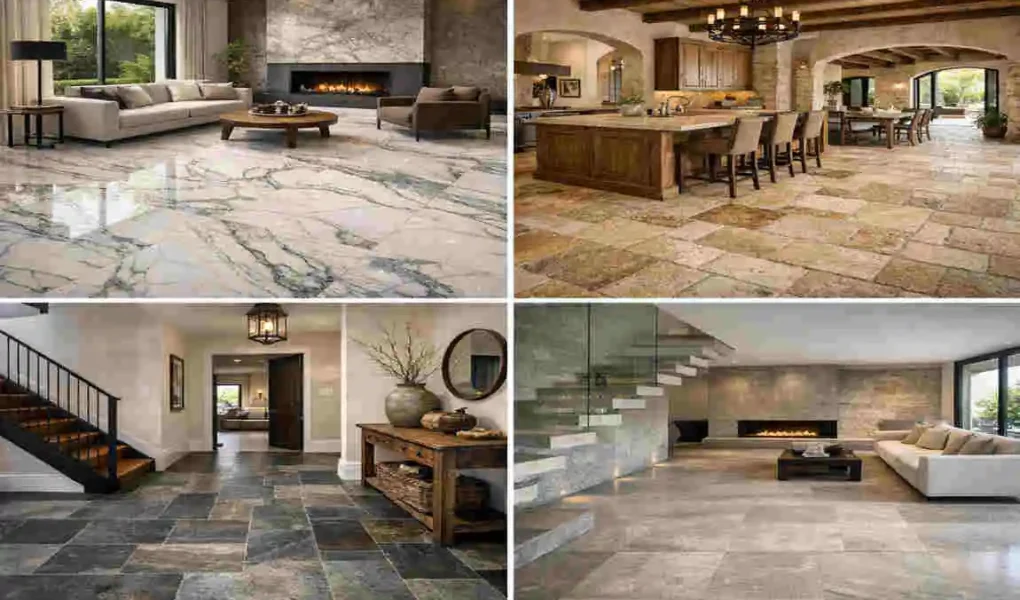
Marble Flooring
Marble is known for elegance. Its veining and polished surface can make a room feel luxurious and refined.
It is often used in formal living spaces, bathrooms, and high-end interiors. However, marble needs more care than some other stones because it can stain or scratch more easily.
If you want a classic luxury look, marble is a beautiful choice. It works especially well in homes where appearance is a top priority.
Granite Flooring
Granite is one of the strongest natural stone options. It is highly durable and handles heavy foot traffic well.
This makes it a smart choice for busy homes, kitchens, and hallways. Granite also comes in many colors, from soft neutral tones to darker, more dramatic shades.
It usually has a more speckled look than marble, which can help hide small marks and everyday wear.
Limestone Flooring
Limestone has a softer, more natural appearance. It often feels warm and calm, which makes it popular in rustic, farmhouse, and Mediterranean homes.
It is not as hard as granite, so it needs more care. Many limestone floors must be sealed to help protect them from stains and moisture.
Still, its quiet, earthy look makes it a favorite among homeowners who want something relaxed and elegant.
Slate Flooring
Slate has a textured surface and rich earthy colors. It often appears in dark gray, green, rust, and black tones.
This stone works well in kitchens, mudrooms, and entryways because its texture provides a more slip-resistant surface. It also suits rustic or industrial interiors very well.
One thing to keep in mind is that slate can have more natural variation. Some homeowners love that, while others prefer a more uniform look.
Travertine Flooring
Travertine has a warm and classic look that feels natural and inviting. It is often used in traditional homes and Mediterranean-style spaces.
It has small pores and holes in the surface, which gives it character. But that also means it can be more porous and may need sealing.
If you like soft beige and cream tones, travertine can make a room feel bright and welcoming.
Sandstone Flooring
Sandstone has a casual, textured look and often comes in soft natural shades. It can work beautifully in rustic or relaxed interiors.
It offers a warm, organic feel, but it also requires proper care. Like many natural stones, it may need sealing to help protect it from stains and wear.
Sandstone is a good choice if you want a floor that feels natural and understated.
Benefits and Drawbacks of Stone Flooring
Major Benefits
Stone flooring offers many advantages for homeowners seeking a long-term solution.
- It lasts a long time
- It has natural beauty
- Each floor looks unique
- It works with many interior styles
- It can pair well with underfloor heating
- It may add visual value to a home
One of the biggest strengths of the stone house floor is that it feels both practical and timeless. It can handle daily life while still looking elegant.
Potential Drawbacks
Stone flooring is not perfect for every home.
Some stones cost more up front than other flooring materials. Certain types also need regular sealing, especially if they are porous.
Stone can feel hard underfoot, which may not be ideal if you stand in one place for long periods. Some finishes can also be slippery when wet.
Professional installation is often the best choice, and that can add to the total cost. Still, many homeowners feel the long-term value is worth it.
Trending Stone Flooring Ideas for Modern Houses
Large-Format Stone Floors
Large-format tiles or slabs create a cleaner and more open look. With fewer grout lines, the floor feels smoother and less busy.
This style works especially well in open-plan homes because it helps the space flow more naturally. It can make a room feel larger and more modern.
Warm Neutral Stone
Beige, cream, tan, and soft gray are very popular right now. These shades blend easily with modern furniture and simple interior color palettes.
Neutral stone is a safe choice if you want something flexible. It helps the rest of the room stand out without competing for attention.
Rustic Stone Flooring
Rustic stone floors often have more texture and variation. They pair well with exposed beams, wood furniture, and cozy fabrics.
This style feels especially comfortable in homes that lean toward farmhouse, cottage, or countryside design. The natural imperfections make the floor feel more lived-in and warm.
Polished Stone for Luxury Interiors
Polished marble or granite creates a more refined look. The glossy surface reflects light and adds a feeling of sophistication.
This works well in formal living rooms, grand entryways, and luxury bathrooms. Lighting matters a lot here because polished stone reacts strongly to light.
Honed Stone for a Modern Matte Look
Honed stone has a softer, matte finish. It looks less shiny than polished stone and often feels more relaxed.
This finish is becoming more popular in modern homes because it creates a calm and understated appearance. It also tends to hide marks better than highly polished surfaces.
Mixed Stone Patterns
Some homeowners want a more decorative look. Mixed stone patterns can make a floor stand out in a subtle but stylish way.
Ideas include:
- Checkerboard layouts
- Geometric patterns
- Contrasting borders
- Different stone tones combined
These designs can add more personality to a room without sacrificing the natural beauty of stone.
Stone Flooring With Underfloor Heating
Stone works very well with radiant heating when installed correctly. It holds and distributes warmth effectively, which can make the floor feel more comfortable.
This is especially helpful in bathrooms, kitchens, and colder climates. If you plan to combine stone with heating, professional installation is very important.
How to Choose the Best Stone Flooring for Your House
Consider Room Function
Each room has different needs. A kitchen or hallway needs a tougher surface than a quiet bedroom or formal sitting area.
For busy areas, choose durable stone with a finish that can handle traffic and spills. For more relaxed rooms, you may have more freedom to choose a softer or more decorative option.
Think About Color and Interior Style
Color changes how a room feels. Light stone can make a room feel brighter and more open. Dark stone can feel dramatic and grounded.
Think about your cabinets, walls, furniture, and architectural details. The best floor should support the full room design, not fight against it.
Compare Texture and Finish
The finish changes both the look and the performance of the floor.
- Polished: shiny, elegant, but may show marks more easily
- Honed: matte, modern, and softer in appearance
- Tumbled: more aged and rustic
- Textured or natural: practical and often better for grip
Your choice should depend on how you want the floor to look and how you plan to use it.
Consider Maintenance
Some stones need more care than others. Porous stones may require sealing, and sensitive stones may need special cleaners.
Before you choose, think honestly about how much maintenance you are willing to do. A floor that fits your lifestyle is usually the best in the long run.
Set a Realistic Budget
Your budget should include more than the stone itself. You also need to think about preparation, installation, sealing, and future care.
The cheapest material is not always the most economical. A slightly more expensive stone that lasts longer and needs less repair may offer better value.
Stone Flooring Cost, Longevity, and Home Value
What Affects Stone Flooring Cost?
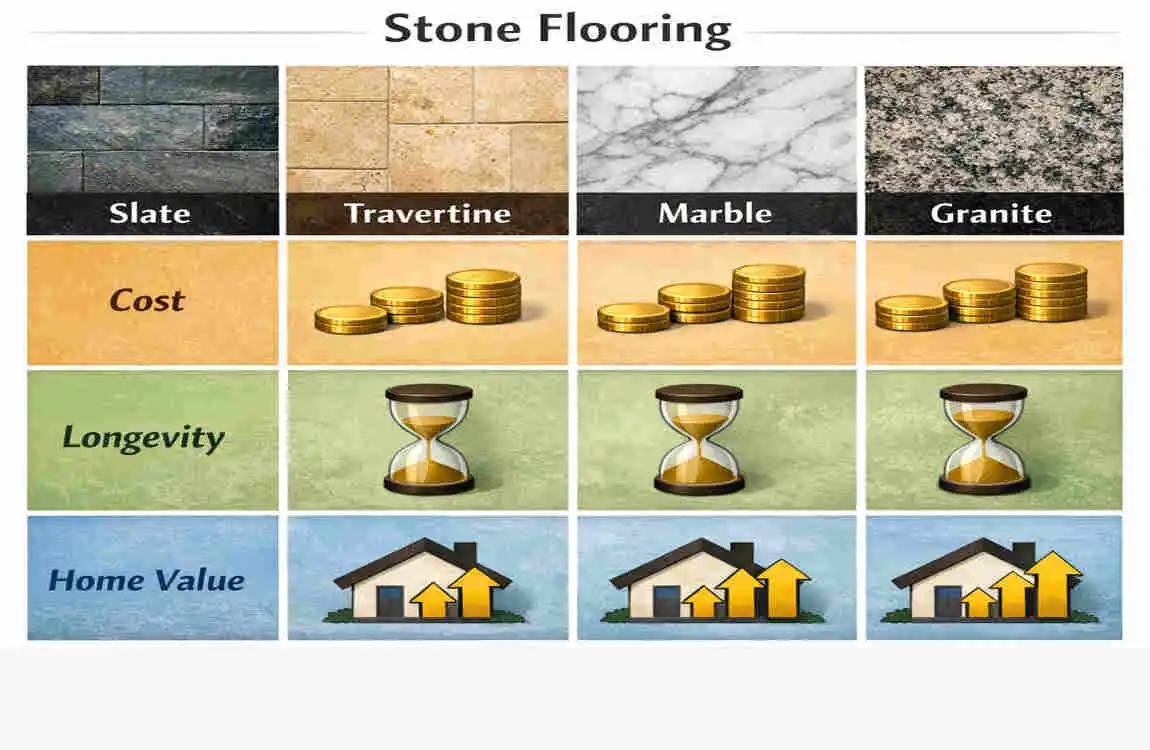
Several factors influence the final price of stone flooring for houses.
Cost Factor Why It Matters
Type of stone Marble, granite, slate, and travertine all vary in price
Tile or slab size Larger pieces may cost more and require careful installation
Surface finish Polished, honed, or textured finishes can change the price
Installation complexity Patterns, borders, and custom layouts take more labor
Subfloor preparation Uneven or weak subfloors may need extra work
Location and labor rates Prices vary by region and installer experience
Stone flooring can be more expensive than some manufactured options, but it often lasts much longer.
How Long Can Stone Flooring Last?
Properly installed natural stone can last for decades. In many homes, it outlives several other flooring types.
Its lifespan depends on the stone type, the amount of traffic it gets, and how well it is maintained. Good care can help the floor stay attractive for a very long time.
Can Stone Flooring Add Home Appeal?
Natural materials often make a property feel more refined and memorable. A well-chosen stone floor can improve the overall character of a home.
That does not mean it guarantees a specific return on investment—local market conditions, buyer tastes, and the rest of the home all matter. Still, stone often leaves a strong impression.
Installation and Maintenance Tips for Stone House Floors
Preparing the Subfloor
A strong floor starts below the surface. The subfloor must be level, stable, and suitable for stone installation.
If moisture is a concern, it should be checked before work begins. Stone needs the right foundation to perform well over time.
Professional Stone Installation
Stone is best installed with care and accuracy. That includes measuring, planning the layout, properly cutting pieces, leveling the surface, and applying grout correctly.
Installation quality matters a lot. Even beautiful stone can look wrong if it is not set correctly.
Cleaning Stone Floors
Use cleaners that are made for the specific type of stone. Some stones react badly to acidic or harsh cleaners.
Clean spills quickly, especially on porous stones. The faster you act, the less likely a stain will set in.
Sealing Natural Stone
Many types of natural stone need sealing. Sealer helps protect the surface from moisture and stains.
Not every stone needs the same schedule, so follow the manufacturer’s guidance. Some floors may need resealing more often than others.
Preventing Scratches and Stains
A few simple habits can protect your floor.
- Use rugs or mats in high-traffic areas
- Add protective pads under furniture
- Wipe spills quickly
- Avoid dragging heavy items across the floor
Small steps like these can make a big difference in how the floor ages.
Frequently Asked Questions About the Stone House Floor
Is stone flooring a good choice for a house?
Yes. It is a strong choice for homeowners who want durability, natural beauty, and a long-lasting floor.
What is the best stone for house flooring?
It depends on the room and the look you want. Granite is very durable, marble is elegant, slate is textured, limestone is soft-looking, and travertine feels warm and classic.
Is the stone house floor difficult to maintain?
It depends on the stone type, the finish, and whether it is sealed properly. Some stones are easier to care for than others.
Is natural stone flooring expensive?
It can be. Price depends on the stone type, size, finish, installation, and preparation work.
Can stone flooring be used in kitchens?
Yes. Many stone types work well in kitchens, especially when properly sealed and cleaned regularly.
Is stone flooring slippery?
That depends on the finish and texture. Polished stone may be more slippery than honed or textured stone, especially when wet.
How often should a stone floor be sealed?
There is no single schedule for every floor. Follow the stone manufacturer’s recommendations and check the surface as needed.
Can stone floors make a house feel cold?
Stone can feel cool underfoot, but rugs and underfloor heating can help.
| Stone Flooring Feature | Quick Information |
|---|---|
| Durability | Stone flooring is strong, long-lasting, and suitable for busy areas. |
| Popular Stone Types | Marble, granite, limestone, slate, travertine, and sandstone are common choices. |
| Style | Adds a natural, elegant, and timeless look to homes. |
| Best Rooms | Works well in kitchens, bathrooms, living rooms, hallways, and entryways. |
| Trending Ideas | Large-format tiles, natural textures, earthy tones, and mixed stone patterns are popular. |