Choosing flooring for a small home is a bigger decision than it first seems. The floor affects how the space looks, how it feels, how easy it is to clean, and how much the project will cost overall.
When people talk about the little house floor cost, they usually mean the total price of flooring for a small home, tiny house, or compact living space. That total is shaped by the material you choose, the area size, labour, subfloor prep, and even small extras like underlayment or moisture protection.
What Is the Little House Floor Cost?
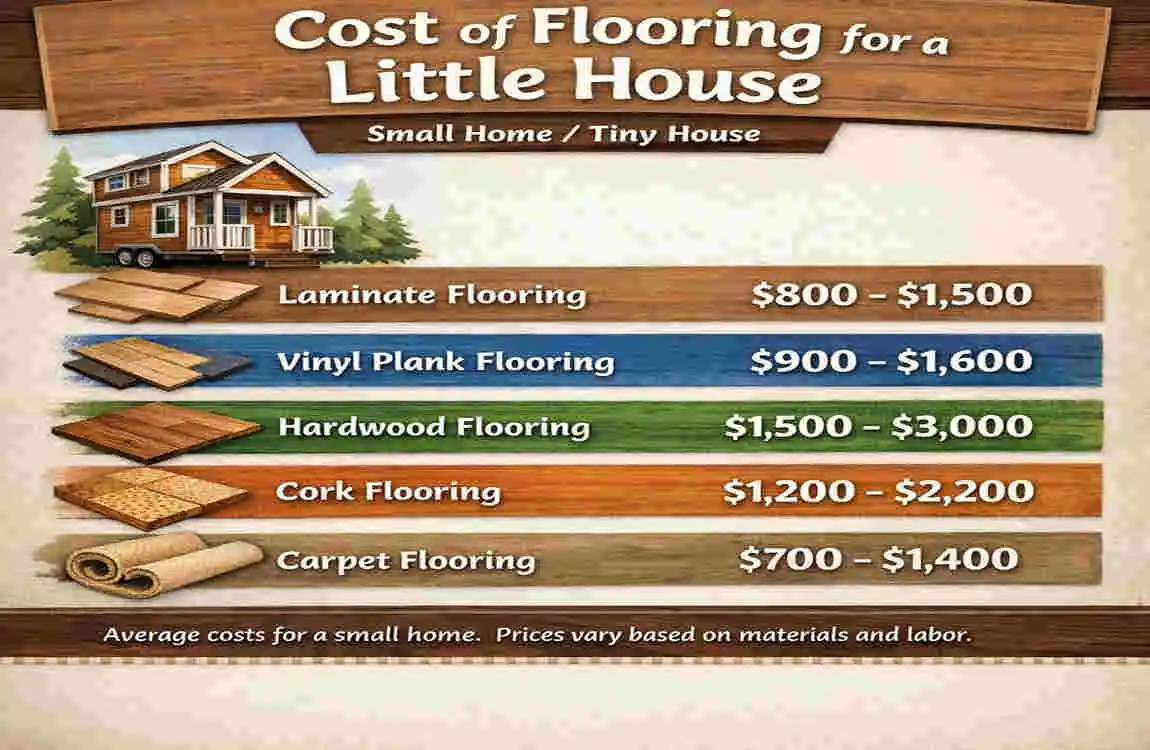
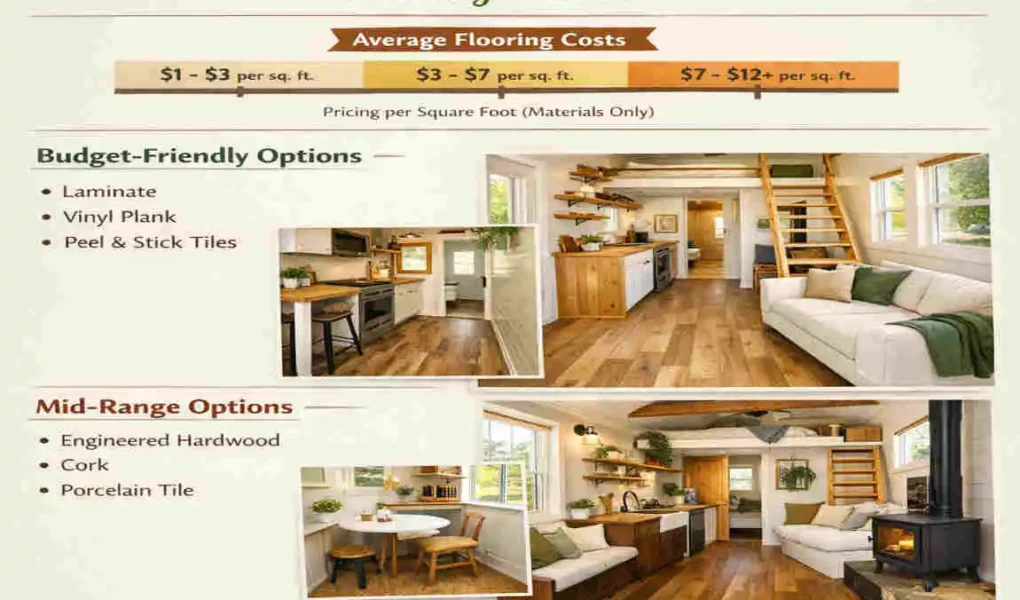
Average Flooring Cost for a Small House
Flooring is usually priced per square foot. That means the total cost increases with the size of the space and the type of flooring you choose.
A small house may seem cheap to finish, but that is not always true. Why? Because smaller projects still need labour, prep work, trims, and installation steps. In some cases, the smaller the job, the less room there is to save on bulk pricing.
So while a small house uses less material than a large home, the final price is still determined by the overall project, not just the floor itself.
Main Factors That Affect Cost
Several things influence the little house floor cost:
- Flooring material
- Floor size
- Installation labor
- Subfloor condition
- Removal of old flooring
- Moisture protection and finishing
Each one matters. For example, a cheap flooring product may need more prep work, while a premium floor may cost more upfront but last longer. A damaged subfloor can also lead to unexpected costs if it needs repairs before the new flooring goes in.
Budget vs Premium Flooring
If you are working with a tight budget, you will likely compare economical, mid-range, and premium flooring options.
Budget flooring can be a smart choice if you need a quick update and want to keep costs low. Mid-range flooring often gives the best balance of style, durability, and price. Premium flooring looks beautiful and can last a long time, but it usually comes with a higher install cost too.
The right choice depends on how you live in the space. If your home gets a lot of traffic, durability may matter more than appearance alone.
Best Flooring Options for a Little House
Vinyl and Luxury Vinyl Flooring
Vinyl is one of the most popular choices for small homes because it is affordable, water-resistant, and easy to clean.
Luxury vinyl often looks much nicer than older vinyl products. It can mimic wood or stone while still being practical. This makes it a great option for kitchens, bathrooms, and living rooms.
For a little house, vinyl works well because it adds style without putting much strain on the budget.
Laminate Flooring
Laminate is another common choice for homeowners who want the look of wood at a lower price. It is usually simple to install and can create a clean, modern look.
It works well in dry areas and can be a good fit for bedrooms and living spaces. However, you should be careful in moisture-prone rooms, since some laminate products do not handle water as well as vinyl or tile.
Tile Flooring
Tile is durable, strong, and easy to keep clean. It is especially useful in bathrooms, kitchens, and entry areas where water or dirt is more common.
The downside is that tile installation can cost more. The floor must also be prepared carefully, and the surface can feel harder underfoot. Still, if you want long-term durability, tile can be a smart investment.
Hardwood and Engineered Wood
Hardwood gives a home a warm, natural feel. It looks classic and can enhance the space’s visual appeal.
Engineered wood is often a more practical choice for a little house because it offers a similar look with better stability in some settings. Natural hardwood can be a bigger investment, so it makes sense when you want a premium finish and long-term value.
How to Estimate the Little House Floor Cost
Measure the Floor Area
The first step is simple: measure the room.
Use this basic formula:
Length × Width = Square Footage
If your home has more than one room, measure each room and add the totals. This gives you a better idea of how much material you will need.
Taking accurate measurements matters because even a small mistake can lead to waste or extra purchases later.
Add Material Waste
You should always buy a little more flooring than the exact measurement shows. That extra amount helps cover cuts, fitting, and mistakes during installation.
Waste amounts can vary depending on the flooring type and the pattern used. For example, a straight-plank layout may require less extra material than a more complex pattern.
A good rule is to plan for a small buffer so you do not run short in the middle of the job.
Include Installation and Preparation
Material cost is only part of the story. You also need to think about:
- Labor
- Adhesives
- Underlayment
- Transitions
- Subfloor repairs
This is why a low-cost flooring product does not always result in a lower final project cost. If the floor beneath is uneven or damaged, prep work can quickly raise the total.
Little House Flooring Design Ideas
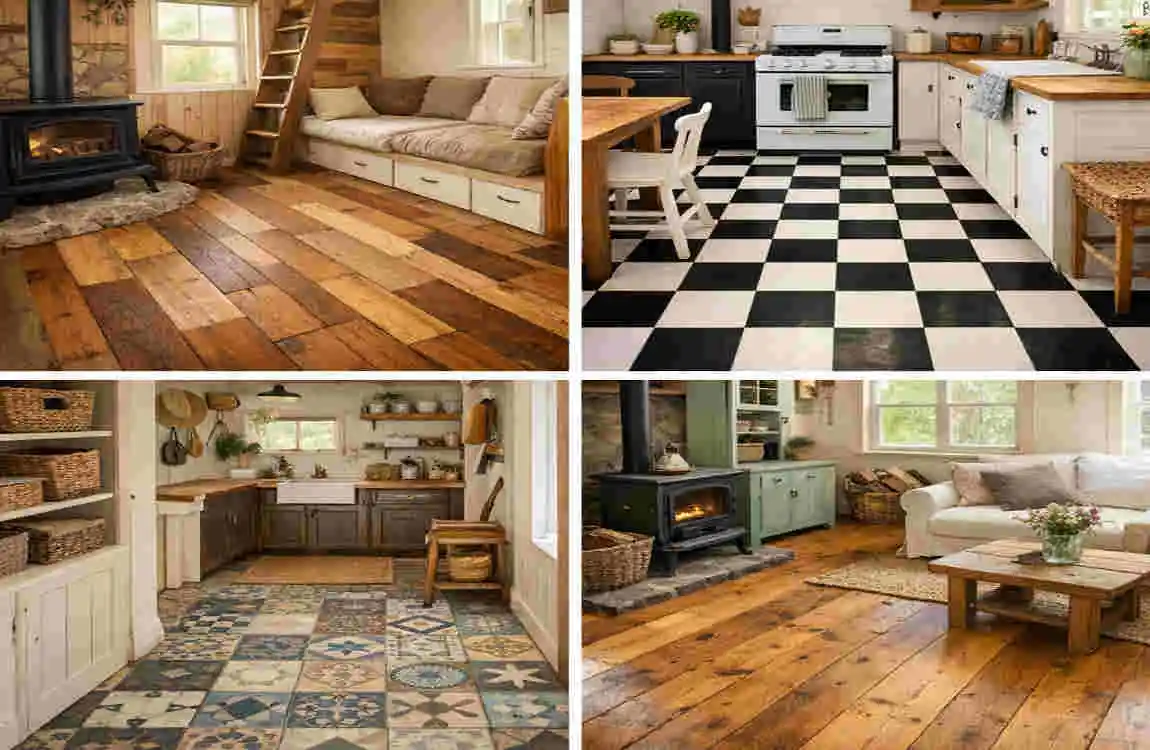
Use Light Colours to Make Rooms Feel Larger
Light flooring can help a small home feel more open. Pale wood tones, soft grey vinyl, and light tile can visually expand the room.
This is especially helpful in compact spaces where you want the home to feel airy instead of crowded. Light floors reflect more light and help the space feel cleaner and brighter.
Choose Consistent Flooring
Using the same flooring style across connected rooms can make a little house feel larger. A consistent floor creates a smooth flow from one space to another.
Too many flooring changes can break up the home and make it feel smaller. In a compact layout, simplicity usually works best.
Consider Wide Planks and Simple Patterns
Wide planks can make a room feel less busy. They reduce the number of visible seams and help the floor look more open.
Simple layouts are often better than complicated patterns in small homes. If you want a calm and modern look, keep the design clean and easy on the eyes.
Match Flooring With Walls and Furniture
The floor should support the rest of the room, not fight it.
If your walls and furniture are light, a slightly warmer floor can help balance the look. If your furniture is dark, a lighter floor can keep the room from feeling heavy. The goal is to create a space that feels comfortable and well planned.
Ways to Reduce Flooring Costs
Compare Several Materials
Do not choose the first flooring product you see. Compare different materials, prices, and expected lifespan.
A cheaper option may cost less today, but a better-quality product may save money later by lasting longer or needing fewer repairs.
Prepare the Subfloor Properly
A weak or uneven subfloor can lead to problems later. Flooring may shift, squeak, or wear unevenly if the base is not fixed first.
Taking care of the subfloor early can prevent bigger expenses later. It is one of the smartest ways to protect your flooring investment.
Consider DIY Installation
Some flooring types are easier for experienced homeowners to install themselves. Click-lock vinyl or laminate can sometimes work well for DIY projects.
That said, professional installation is safer when the layout is tricky, or the material is harder to handle. If you are unsure, it may be better to pay for expert help than risk costly mistakes.
Buy Carefully
Be smart about what you purchase. Measure accurately, check quality, and avoid extra features you do not really need.
Sometimes people overspend on flooring because they focus on the look alone. But for a little house, the best choice is usually the one that balances price, durability, and design.
Common Mistakes When Planning Little House Flooring
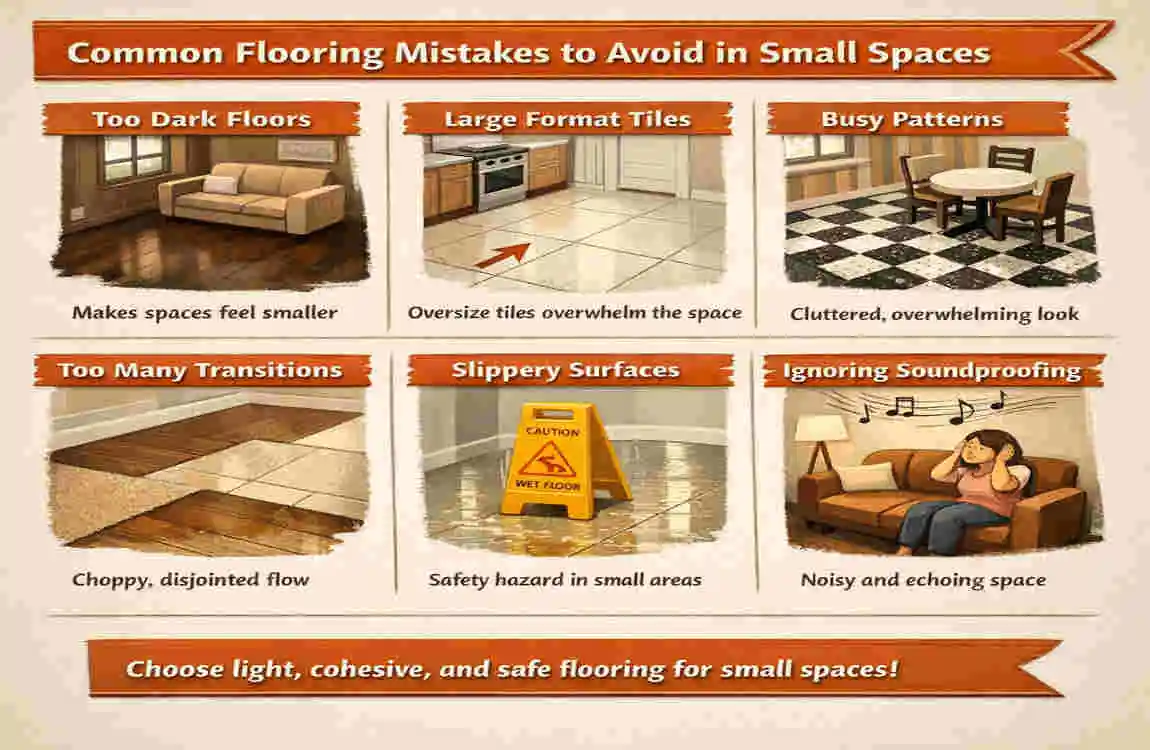
Choosing Only by Price
The cheapest flooring is not always the best deal. If it wears out quickly, you may spend more replacing it later.
Think beyond the sticker price. Ask how long the floor should last and how much care it will need.
Ignoring Moisture
Bathrooms, kitchens, and entry areas need flooring that can handle water better than dry rooms do.
If you ignore moisture resistance, you may end up with swelling, warping, or damage. That can turn a budget decision into a repair problem.
Forgetting Installation Costs
Many homeowners focus only on the material price. But installation, prep, and finishing can significantly affect the total.
Always calculate the full project cost before making a final choice.
Using Too Many Flooring Styles
A small home can quickly feel busy if you use too many different flooring types.
Try to keep the look simple. Too many patterns or material changes can make the space feel chopped up instead of connected.
FAQs About the Little House Floor Cost
How much does flooring cost for a little house?
It depends on the square footage, material, labour, and preparation work. A small house may cost less than a larger home, but the final price still depends on the full project details.
What is the cheapest flooring option for a small house?
Basic vinyl and some laminate products are often the most affordable choices. They can offer a nice look while keeping costs under control.
Is vinyl flooring good for a little house?
Yes, vinyl is a strong choice for many small homes because it is affordable, low-maintenance, and suitable for rooms where moisture may be present.
Does a small house need expensive flooring?
No. A small home can look beautiful with practical, budget-friendly materials. Good design is more about planning and balance than high price alone.
How can I calculate my total flooring budget?
Start by measuring the floor area. Then multiply by the material price per square foot. After that, add waste, installation, and any prep work or repairs.
| Cost/Design Factor | Quick Guide |
|---|---|
| Basic Flooring | Vinyl or laminate can be budget-friendly options for a little house. |
| Mid-Range Flooring | Engineered wood or quality laminate offers a balance of style and durability. |
| Premium Flooring | Hardwood, tile, or luxury vinyl can create a more upscale look. |
| Installation Cost | Labor, subfloor repairs, removal of old flooring, and preparation can increase the total cost. |
| Small-Space Design | Light colors, simple patterns, and continuous flooring can make rooms feel larger. |
| Budget Tip | Compare material and installation prices, and choose durable flooring that fits your home’s daily needs. |