
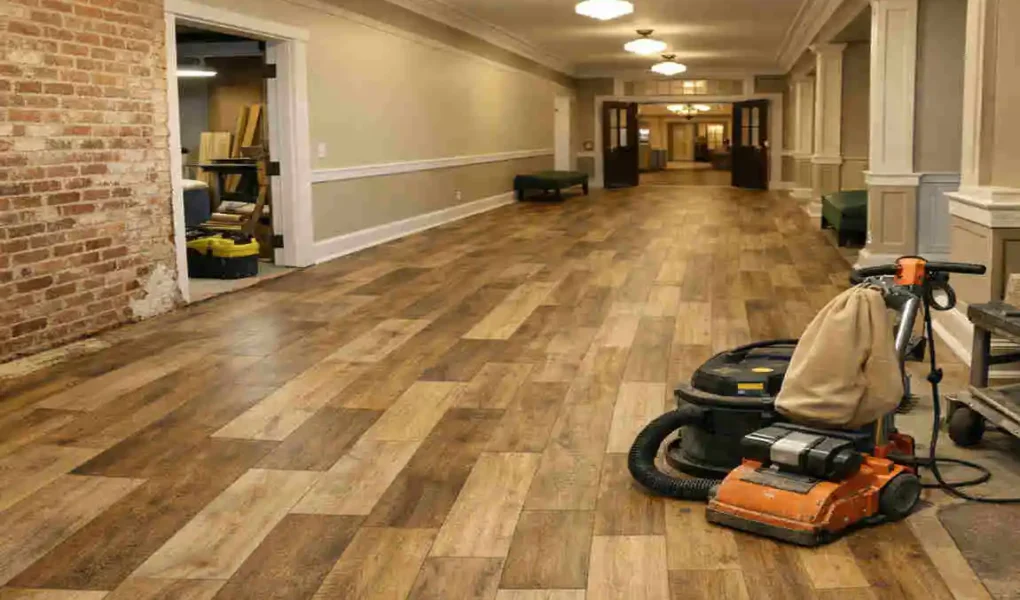
A hallway may seem like a simple part of the home, but it gets used more than many people realize. People walk through it every day. Shoes drag dirt across it. Kids, pets, bags, and furniture all leave their mark. That is why a Virginia hall floor renovation is more than just a cosmetic project. It is also about durability, comfort, safety, and long-term value.
In many Virginia homes, hall floors are some of the first surfaces to show age. Older hardwood may look dull or scratched. Laminate may start to peel. Vinyl may wear out in busy areas. Sometimes the problem is not the flooring itself, but the subfloor underneath.
That is why renovation can mean different things. In some homes, refinishing the existing floor is enough. In others, a full replacement makes more sense. The right choice depends on the material, the condition of the hallway, and your budget.
Popular Flooring Options for a Virginia Hall Renovation
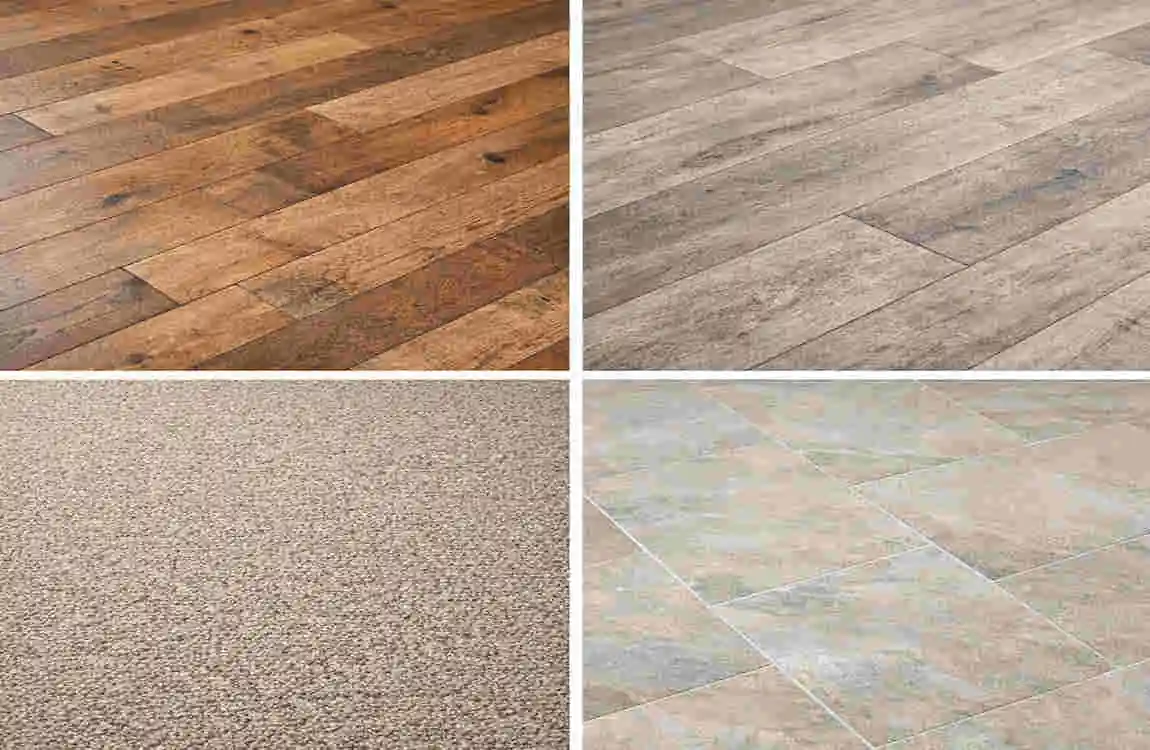
The best hallway floor is not always the most expensive one. It is the one that fits your home, traffic levels, and style. In Virginia homes, you will often see a mix of classic and modern flooring choices depending on the age of the house and the owner’s goals.
Hardwood Flooring
Hardwood remains one of the most popular hallway flooring choices because it feels timeless and warm. It works especially well in traditional Virginia homes, colonial-style homes, and properties where homeowners want a classic look.
You can choose between solid hardwood and engineered hardwood. Solid hardwood is made from one piece of wood throughout. It is durable and can often be refinished more than once. Engineered hardwood has a real wood top layer with a stronger base beneath it, which can make it more stable in changing humidity.
Many homeowners like hardwood because it brings natural beauty and can enhance the overall look of a home. Wide-plank styles and warmer wood tones are especially popular right now because they make hallways feel more open and welcoming.
Luxury Vinyl Plank (LVP)
Luxury vinyl plank, or LVP, has become a favorite for busy homes. It is popular because it is affordable, tough, and easy to clean. It also comes in many styles that resemble wood or stone, so you can achieve a high-end look without paying hardwood prices.
This is a smart choice for hallways because hallway floors see heavy foot traffic. LVP handles scratches and moisture well, which is useful in homes with children, pets, or outdoor dirt coming in from the entry area.
If you want something practical and stylish, LVP is one of the strongest options for a Virginia hall floor renovation.
Tile Flooring
Tile is another strong choice, especially for entry halls or hallways near a front door. Ceramic and porcelain tile are both durable and easy to maintain. They clean up well and handle moisture better than many other flooring types.
In Virginia homes, tile can work well in places where wet shoes, rain, or snow are likely to reach the floor. Porcelain, in particular, is valued for its strength and longevity.
Tile can feel more formal than wood or vinyl. That can be a good thing if you want a polished, elegant hallway. The only downside is that tile can feel harder underfoot and colder in winter.
Laminate and Other Budget-Friendly Choices
Laminate is often chosen when the budget is tighter, but the homeowner still wants a stylish hallway. It can mimic wood surprisingly well and is usually easy to install.
That said, laminate is not as durable as hardwood or tile in very busy spaces. It can also be more sensitive to water damage. For a hallway with moderate use, though, it can still be a good value.
Carpet is less common for hallways now, but some people still choose it for softness and sound control. It can make a hallway feel cozy, but it usually needs more maintenance and wears faster in high-traffic areas.
Virginia Hall Flooring Trends to Consider
Flooring trends change slowly, but they do change. In 2026, the strongest hallway trends are all about natural beauty, simple finishes, and long-lasting style. That means fewer flashy looks and more materials that feel warm and real.
Warm Oak and Natural Wood Tones
One of the biggest trends in hallway flooring is the move toward warm oak and natural wood tones. These shades feel more inviting than cool gray floors, which were popular for many years.
Warm tones work well in Virginia homes because they pair easily with both traditional trim and modern walls. They also help a hallway feel brighter without looking too bold.
Wide-Plank Flooring
Wide-plank floors remain popular because they make rooms look a little more open and less busy. In a hallway, this can be especially useful because narrow spaces can sometimes feel cramped.
Wide planks also give a cleaner, more modern look. They work well with hardwood, engineered wood, and even some vinyl products.
Matte and Low-Sheen Finishes
Shiny floors are no longer the first choice for many homeowners. In 2026, matte and low-sheen finishes are preferred because they feel more natural and hide marks better.
This is a practical trend for hallways, where foot traffic can quickly show wear. A matte finish can make the space look calm and elegant without drawing attention to every small scratch or dust mark.
Herringbone and Chevron Patterns
If you want your hallway to feel more decorative, herringbone and chevron patterns are strong options. These layouts add movement and style to the floor.
They work best when you want the hallway to become a feature rather than just a passage. Keep in mind, though, that patterned installation usually costs more and takes more time.
Natural Stone and Warm-Toned Tile
Stone-look and warm-toned tile are also getting attention in 2026. These materials feel grounded and durable, which makes them a practical choice for entry halls and transitional spaces.
They also connect well with wood trim, neutral walls, and modern lighting. If you want a hallway that feels upscale without being too flashy, this could be a strong direction.
Realistic Wood-Look LVP
LVP has improved a lot in recent years. Many newer products now look remarkably close to real wood. That makes it easier for homeowners to get a warm, stylish look at a lower cost.
Because it is durable and easy to maintain, wood-look LVP is a very practical trend for busy Virginia households.
Choosing a Trend That Will Not Look Outdated
Trends are useful, but a hallway is not the best place to chase something too bold. You want a floor that still looks good years from now.
A few simple rules help:
- Choose timeless colors rather than overly dramatic shades.
- Match the floor with doors, walls, trim, and stairs.
- Think about maintenance before you fall in love with the look.
- Avoid trends that only work in photos but not in real life.
The best hallway floor is one that still feels right after the trend has moved on.
How Much Does Virginia Hall Floor Renovation Cost?
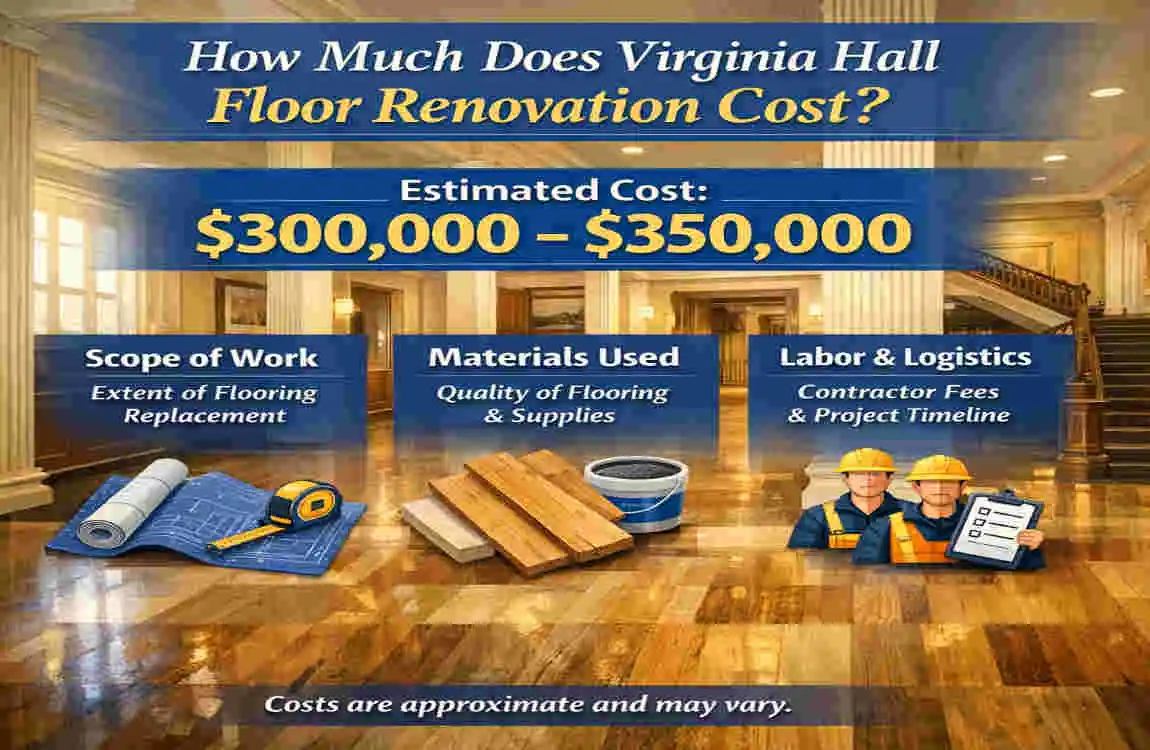
Cost is one of the biggest questions homeowners have. The truth is that Virginia hall floor renovation costs can vary widely. The final number depends on square footage, materials, labor, removal, and subfloor work.
In 2026, general flooring installation costs in Virginia can range from roughly $3 to $15 per square foot, depending on the material and the project. Hardwood and tile can cost more, especially with custom patterns or complex installation.
What Affects the Price?
Several things can raise or lower the cost of a hallway project:
- Square footage
- Flooring type
- Labor rates
- Old floor removal
- Subfloor repair
- Floor leveling
- Baseboards and trim
- Transition strips
- Moisture protection
- Special patterns like herringbone or chevron
The hallway may be small, but that does not always mean the project is cheap. Tight spaces, stairs, and detailed finishes can add labor time.
Material and Installation Costs
It helps to think of cost in two parts: the flooring itself and the installation.
A budget-friendly material like laminate may cost less upfront, but it may not last as long. Hardwood costs more, but it often brings better long-term value. LVP usually sits in the middle, providing a good balance of cost and performance.
Installation also matters a lot. A simple straight hallway installation is usually less expensive than a layout with turns, landings, or decorative pattern work.
Example Budget for a Hallway
For a hallway of about 100 to 200 square feet, here is a simple example of how costs can shift:
- Budget option: laminate or basic LVP, lower installation complexity
- Mid-range option: quality LVP or engineered hardwood
- Premium option: hardwood, tile, or custom pattern installation
A small hallway can still vary widely in price depending on the prep work. If the subfloor needs repair, the total can rise quickly.
What Can Increase the Final Price?
Some projects cost more because the work is more difficult.
Common price boosters include:
- Northern Virginia labor costs
- Complicated layouts
- Stairs and landings
- Damaged subfloors
- Premium hardwood or tile
- Herringbone or chevron patterns
The more custom the work, the more time and skill it takes. That is why it is smart to ask for detailed quotes rather than guessing from a rough estimate.
Step-by-Step Virginia Hall Floor Renovation Process
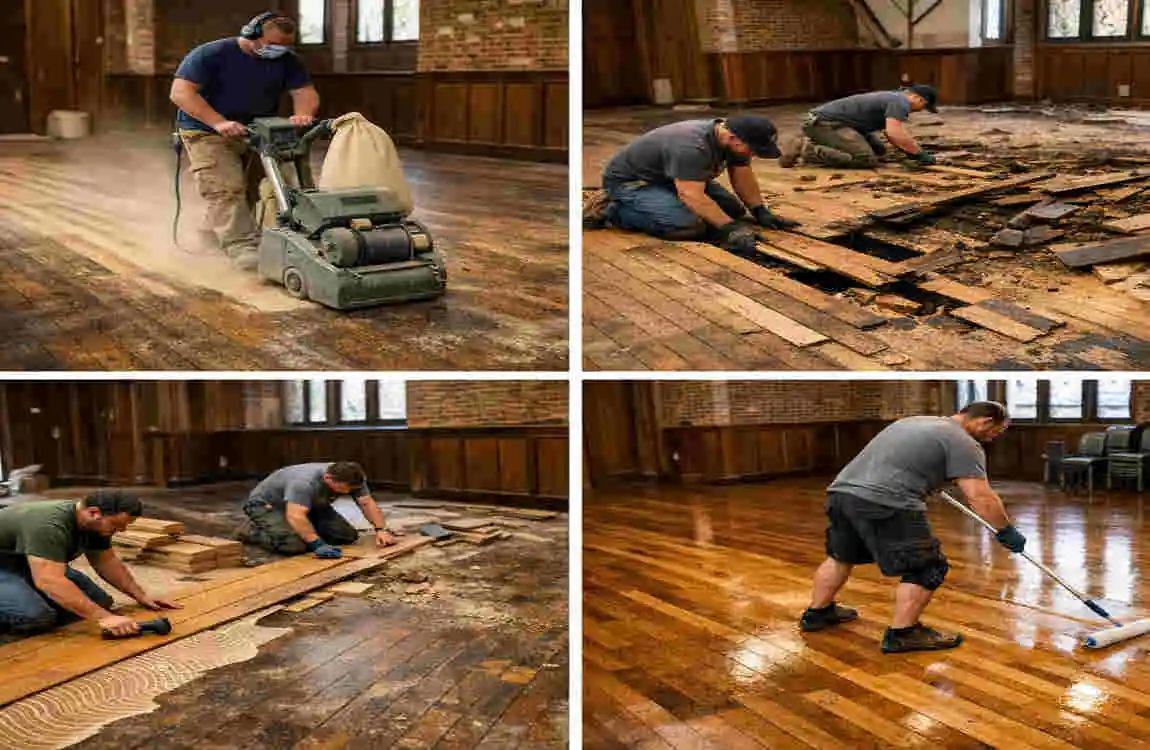
A hallway renovation goes more smoothly when you understand the steps before the work starts. That helps you plan, budget, and avoid surprises.
Inspect the Existing Floor
Start by looking closely at the current floor. Check for cracks, loose boards, stains, soft spots, moisture, and uneven areas.
This first step tells you whether the job is a simple surface update or a deeper repair project. If the floor feels uneven or damaged underneath, the subfloor may need attention too.
Measure the Hallway
Measure the hallway carefully by multiplying length by width. Then add a little extra material for cuts, mistakes, and future repairs.
This matters more than many people think. If you order too little flooring, the project can be delayed. If you order enough, you stay ready for installation and repairs later.
Choose the Right Flooring
Choose a floor based on how the hallway is used. A high-traffic hallway with children or pets needs a more durable option. A formal hallway in a quieter home may allow for more delicate materials.
Think about moisture, maintenance, and how the hallway connects to nearby rooms. The floor should fit the entire home, not just the hallway.
Prepare the Subfloor
The subfloor must be clean, level, and dry. If there are damaged areas, fix them before the new flooring goes in.
This step is easy to overlook, but it is one of the most important parts of the job. A bad subfloor can ruin even a high-quality floor.
Remove the Old Flooring
Old flooring must be taken out safely. This includes cleaning up debris, checking for hidden damage, and properly disposing of old materials.
Sometimes the old floor hides more problems underneath. That is another reason why removal should be done carefully.
Install the New Floor
Once the surface is ready, the new flooring can go in. Each material has its own installation rules, so those instructions should be followed closely.
Expansion gaps, secure transitions, and proper alignment all matter. If the floor is not installed properly, it may later move, develop gaps, or wear unevenly.
Finish and Inspect
The last step is to install trim, clean the floor, and check the entire hallway for issues. Look for gaps, loose areas, uneven boards, or weak transitions.
A good final inspection helps catch small problems before they turn into larger ones.
Expert Tips for a Successful Hall Floor Renovation
A successful renovation is not only about picking a nice floor. It is also about planning well and making smart choices along the way.
Choose Durability Over Appearance Alone
A beautiful floor is great, but the hallway needs to withstand daily use. If you choose a material that looks nice but wears out too quickly, you may regret it later.
Durability should be one of the first things you compare.
Order Extra Material
Always buy extra flooring to cover cuts and waste. This is especially important for patterned layouts like herringbone.
Extra material also helps if you need repairs later and want to keep the same product on hand.
Compare Contractor Quotes
Do not accept the first quote you receive. Get at least three estimates so you can compare cost, experience, and scope of work.
Ask whether subfloor preparation is included. A lower quote may leave out important steps.
Check Credentials and Insurance
A flooring contractor should have proper credentials and insurance. This protects you if something goes wrong during the project.
It also shows that the contractor takes the work seriously.
Think About Adjoining Rooms
Your hallway floor should match the rooms around it. It does not have to be identical, but it should feel connected.
The hallway is a transition space, so the design should flow naturally into nearby bedrooms, living areas, or entry rooms.
Use Runners Carefully
Rugs or runners can help protect a new hallway floor, but they should not hide the beauty of the renovation. Use them in a way that adds style, not clutter.
Follow Cleaning Instructions
Every flooring type needs its own care routine. Hardwood, LVP, tile, laminate, and refinished surfaces all require different cleaning methods.
If you follow the manufacturer’s instructions, your floor will usually last longer and look better.
When Should You Refinish Instead of Replace?
Sometimes a hallway floor does not need to be replaced at all. If the existing hardwood is still in good shape, refinishing may be enough.
When Refinishing Makes Sense
Refinishing can work well if the floor has only surface scratches, a dull finish, or normal wear. If the boards are solid and the damage is not serious, refinishing can save money.
Virginia hardwood refinishing estimates often range from $3 to $10 per square foot, depending on the project. That can be much less than a full replacement would cost.
When Replacement Is Better
Replacement makes more sense when the floor is badly damaged, uneven, water-damaged, or outdated. If the boards are warped, loose, or deeply worn, refinishing may not solve the problem.
In those cases, starting fresh is often the better long-term decision.
FAQ About Virginia Hall Floor Renovation
How much does a hall floor renovation cost in Virginia?
The cost depends on hallway size, flooring type, labor, removal, and subfloor condition. Material choice also affects the final total.
What is the best flooring for a high-traffic hallway?
LVP, hardwood, engineered wood, tile, and laminate are all possible choices. For maximum durability and the easiest care, many homeowners prefer LVP or tile.
Is LVP a good choice for Virginia homes?
Yes. It is durable, water-resistant, easy to maintain, and available in many styles. That makes it a very practical choice for hallways.
Is hardwood worth it for a hallway renovation?
Hardwood can be worth it if you want a classic look, long life, and the option to refinish later. It usually costs more upfront but can offer strong long-term value.
How long does a hall floor renovation take?
That depends on the size of the hallway and how much prep work is needed. A simple project may be quick, while a project with repairs, leveling, or custom patterns can take much longer.
Should I renovate or refinish my existing hardwood floor?
Refinish if the floor only has surface wear and the boards are still solid. Replace it if there is major damage, water problems, or structural issues.
How can I reduce Virginia hall floor renovation costs?
Choose a simple layout, compare quotes, use mid-range materials, and avoid extra structural changes. Good planning can save a lot of money.
How much extra flooring should I buy?
Buy enough to cover cuts, waste, and future repairs. Complex patterns usually need more extra material than simple layouts.
| Topic | Quick Information |
|---|---|
| Popular Trends | Luxury vinyl, hardwood, engineered wood, and large-format tiles |
| Best for Older Homes | Refinish existing hardwood or repair damaged original flooring |
| Average Cost | Often ranges from $3–$15+ per sq. ft., depending on material and labor |
| Budget Option | Vinyl plank and laminate are affordable and easy to maintain |
| Luxury Option | Hardwood, premium tile, or custom-pattern flooring |
| Preparation | Remove old flooring, repair the subfloor, and check for moisture |
| Maintenance Tip | Clean regularly and address scratches, stains, or water damage quickly |
| Renovation Tip | Choose flooring that matches the hall’s traffic level, home style, and budget |