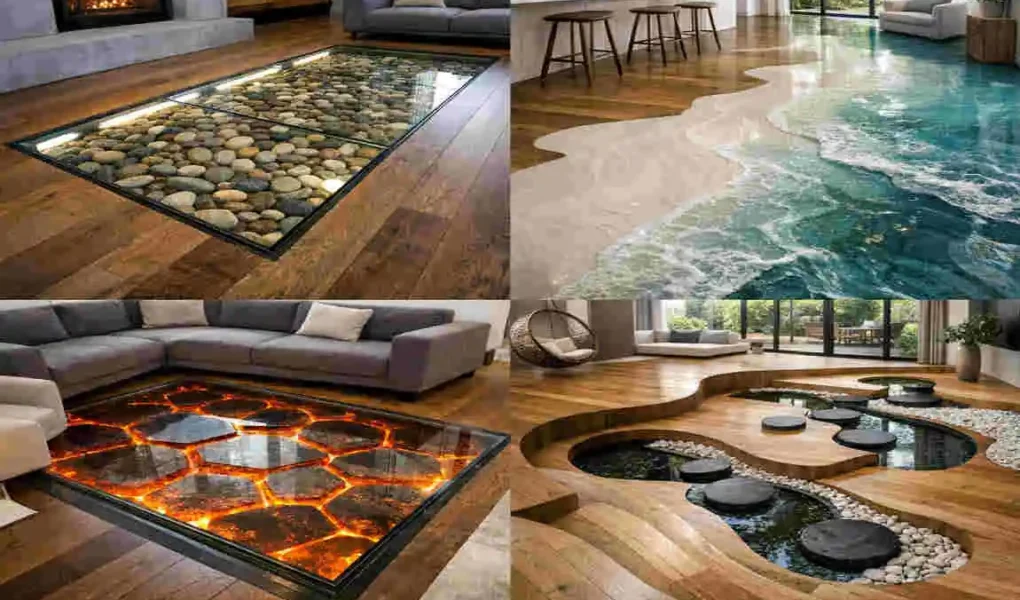
An odd floor design is a flooring style that feels a little unusual, creative, or unexpected compared to a standard floor layout. It can include bold patterns, mixed materials, angled lines, unusual colours, or layouts that do not follow the usual straight-and-simple look.
This kind of flooring is becoming more popular in modern homes because people want their spaces to feel more personal. A floor is no longer just something you walk on. It can also become a design feature that adds character to the whole room.
Odd Floor Design Ideas for Modern Homes
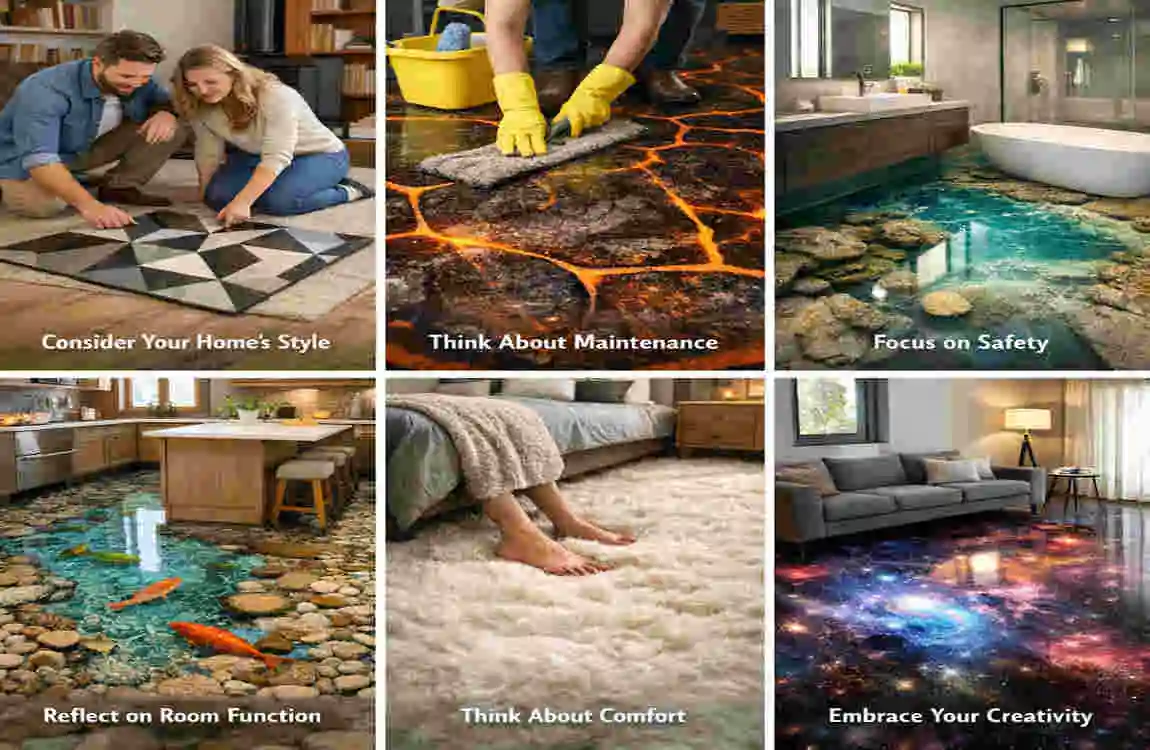
Geometric flooring is one of the most popular ways to create an odd floor design. Shapes like hexagons, triangles, diamonds, and mixed shapes can turn a plain floor into something eye-catching.
This style works especially well in modern interiors because it feels clean and artistic at the same time. It adds movement to the room without needing too many extra decorations.
For smaller rooms, simple geometric patterns usually work best. Busy patterns can make a small space feel crowded. In larger rooms, you can go bolder and use more detailed layouts.
Mixed-Material Flooring
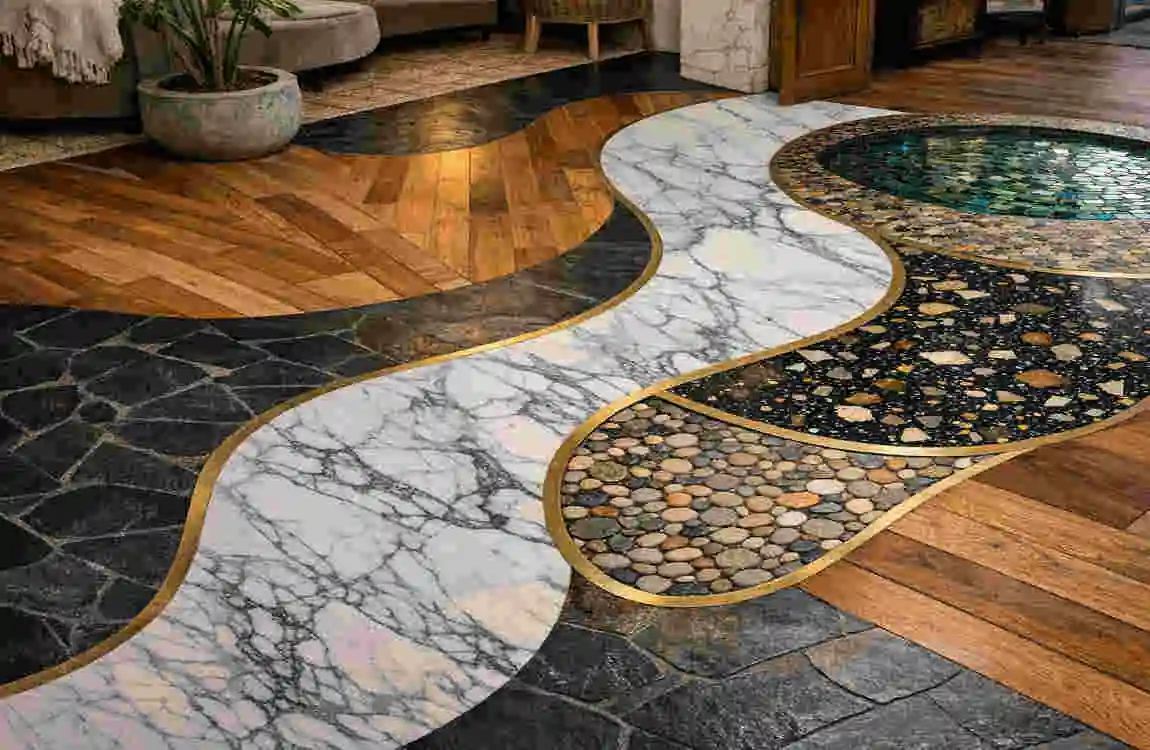
Another strong idea is to combine different flooring materials in one space. For example, you might mix wood and tile, or stone and vinyl, to create a clear visual change between areas.
This approach works well in open-plan homes. It helps define different zones without using walls. You can use one material in the kitchen and another in the dining area, for example.
The trick is to make the transition smooth. The colours should work together, and the height between materials should be even. That way, the floor looks planned instead of awkward.
Diagonal and Angled Flooring
Most floors run straight, so a diagonal layout naturally feels different. Angled flooring can make a room seem wider and more dynamic.
This style is a smart choice if you want to break away from the usual square-room look. It can also help guide the eye across the room in a more interesting way.
Diagonal flooring works best with materials like wood, tile, and luxury vinyl. It creates a subtle but clear change that makes the room feel more active.
Asymmetrical Floor Patterns
Asymmetrical flooring uses irregular layouts that do not repeat evenly. This can create a strong sense of movement and creativity.
You have to use this style carefully. If the design becomes too random, the room may feel messy. But if the pattern has a clear rhythm, it can look very modern and artistic.
This type of odd floor design is often best in living rooms, feature spaces, or entryways where you want to make a statement.
Bold Colour Combinations
Flooring does not always need to stay neutral. Bold colour combinations can make a room feel energetic and unique. You might use dark and light tones together, or choose flooring with strong contrast.
This style is useful when you want the floor to stand out. It can also help create depth in the room.
Still, balance is important. If the floor is already bold, keep the walls and furniture simpler. That will help the space feel stylish rather than overwhelming.
How to Choose the Right Odd Floor Design
Consider the Room Size
Room size should always guide your choice. A large room can handle stronger patterns and darker colours more easily. A small room usually needs something lighter and simpler.
If the room is compact, use designs that create a sense of openness. Light tones, small patterns, and clean lines can help the room feel bigger.
In larger rooms, you can be more playful. Wide layouts, strong contrasts, and mixed materials often work very well.
Match the Overall Interior Style
Your floor should fit the style of the rest of the home. A modern home may suit geometric or minimalist patterns. A rustic home may look better with warm wood or natural stone.
Here is a simple guide:
Home Style Best Odd Floor Design Choice Overall Feel
Modern Geometric shapes, diagonal lines Clean and stylish
Minimalist Simple contrast, subtle angles Calm and open
Industrial Concrete, mixed textures Raw and bold
Rustic Wood, natural stone Warm and natural
Contemporary Mixed materials, balanced patterns Fresh and flexible
When the floor matches the home’s style, the whole space feels more complete.
Think About Durability
A floor needs to look good, but it also has to last. This matters even more in busy spaces like kitchens, hallways, and living rooms.
High-traffic areas need strong materials that can handle daily wear. Bathrooms need moisture-resistant surfaces. Bedrooms can be softer and less durable if the space is used less often.
Always think about how the room is used before choosing the design.
Consider Maintenance
Some unusual flooring styles need more care than simple ones. Intricate patterns may show dirt more easily. Mixed materials may need different cleaning methods.
Before you decide, ask yourself how much time you want to spend on upkeep. A beautiful floor should still be practical for your lifestyle.
Balance Creativity and Practicality
This is the most important part of an odd floor design. A floor should feel special, but it should also be easy to live with.
If the design is too loud, it can become tiring. If it is too weak, it may not have the impact you want. The best floor design gives you both personality and usability.
Best Flooring Materials for an Odd Floor Design
Hardwood and Engineered Wood
Wood flooring is a classic choice, but it can still be used in creative ways. Patterns like herringbone and chevron add movement and style without feeling too extreme.
Engineered wood is often a smart option because it is more stable and works well in many homes. It gives you the look of wood with added flexibility.
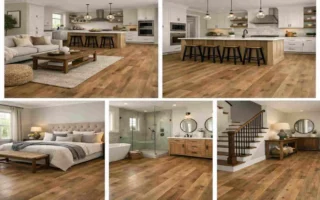
Wood is especially good if you want the floor to feel warm and welcoming.
Porcelain and Ceramic Tile
Tile is one of the most flexible materials for odd floor designs. It comes in many shapes, sizes, and colours, making it easy to create geometric or patterned layouts.
It is also practical for kitchens, bathrooms, and entryways because it is durable and easy to clean.
If you want a bold floor that still works in daily life, tile is one of the best choices.
Luxury Vinyl Flooring
Luxury vinyl flooring is well-suited to creative layouts. It can copy the look of wood, stone, or other finishes while staying flexible and budget-friendly.
It works well in homes that need something stylish but easy to maintain. It is also a good option if you want unusual flooring without spending too much.
Natural Stone
Natural stone creates a rich and distinctive look. Each piece has its own texture and tone, which makes the floor feel unique.
Stone works well in rooms where you want a more solid and elegant feel. It is often used in entryways, kitchens, and bathrooms.
Concrete Flooring
Concrete is a strong choice for minimalist and industrial interiors. It looks simple at first, but it can be finished in different ways to create texture, pattern, or colour.
It is a great base for a modern odd floor design because it feels clean and bold at the same time.
How to Use Odd Floor Design in Different Rooms
Living Room
The living room is a great place for a statement floor. Since this is often a main gathering space, the floor can act as a strong visual anchor.
If you use a bold floor here, keep the furniture more neutral. That creates balance and lets the floor stand out without making the room too busy.
Kitchen
Kitchens can benefit from patterned flooring because it adds energy and helps define work areas. You can use one flooring style around the cabinets and another around the dining zone.
This makes the kitchen feel more organised and visually interesting.
Bedroom
Bedrooms usually need a softer touch. An odd floor design in this room should feel calm rather than overpowering.
Subtle patterns, warm wood tones, or gentle diagonal layouts can work well here. The goal is to create interest while keeping the room restful.
Bathroom
Bathrooms are a great place for geometric tiles and contrast patterns. Since the room is usually small, the floor can become a key design feature.
Just make sure the material is safe to walk on when wet. Slip resistance is very important in this space.
Entryway and Hallway
These spaces are perfect for unusual flooring because they create the home’s first impression. A creative floor here can set the tone for the rest of the interior.
Since these areas get heavy foot traffic, choose a material that is both attractive and durable.
Common Odd Floor Design Mistakes to Avoid
Using too many patterns
When everything is patterned, nothing stands out. A floor design should have a clear purpose. Too many ideas in one room can make the space feel confusing.
Ignoring the room layout
The floor should work with the room’s shape, not fight against it. Always consider walls, furniture placement, and traffic flow.
Choosing style over durability
A floor that looks great but wears out quickly is not a smart choice. Always think about how the room will be used every day.
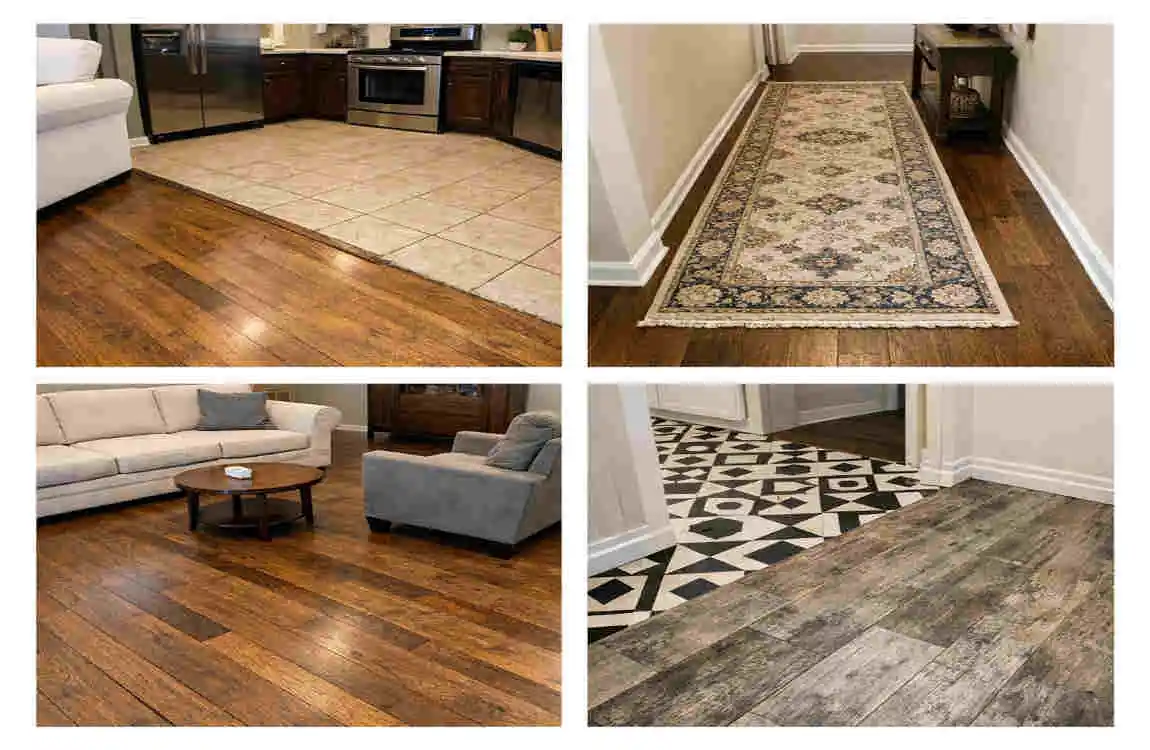
Poor transitions between materials
If you mix materials, the transition must be neat and smooth. A messy join can make the floor look unfinished.
Clashing colors
Your floor should support the rest of the room. If the colours fight with the furniture or walls, the design will feel off.
Forgetting installation needs
Some odd floor designs are more complex than they look. Make sure the plan is realistic before you begin.
Making it too trendy
A floor should feel fresh, but not so trendy that it looks outdated very quickly. Simple creativity often lasts longer than a flashy style.
FAQ About Odd Floor Design
What is an odd floor design?
An odd floor design is a flooring layout that looks unusual, creative, or different from a standard floor pattern. It can include bold shapes, mixed materials, diagonal layouts, or unexpected colours.
Is odd floor design suitable for small rooms?
Yes, it can be. The key is to use lighter colours, simpler patterns, and balanced layouts so the room does not feel crowded.
What is the most popular unusual flooring pattern?
Some of the most popular choices are herringbone, chevron, geometric tile layouts, and mixed-material designs.
Can different flooring materials be combined in one room?
Yes. Wood, tile, stone, vinyl, and concrete can all be combined if the transitions are carefully planned.
Is odd floor design expensive?
It depends on the material, the pattern, the room size, and the installation work. Simple unusual layouts may be affordable, while custom designs can cost more.
What flooring is easiest to use for unusual designs?
Tile and luxury vinyl are often the easiest because they come in many shapes, sizes, and finishes.
How do I make an unusual floor look modern?
Keep the rest of the room simple. Use a steady colour palette, avoid too many decorative items, and let the floor be the main feature.
Can I install an odd floor design myself?
Some simple layouts may be DIY-friendly, but more detailed patterns are often better handled by a professional.
| Floor Design Idea | Best For | Key Benefit |
|---|---|---|
| Geometric Tile Patterns | Living rooms | Creates a bold, modern look |
| Mixed Wood Flooring | Open-plan spaces | Adds warmth and visual interest |
| Checkerboard Floors | Kitchens & halls | Stylish and eye-catching |
| Herringbone Pattern | Bedrooms & living rooms | Gives floors an elegant finish |
| Color-Block Flooring | Creative interiors | Adds personality and contrast |
| Terrazzo Flooring | Modern homes | Durable with a unique appearance |