Choosing the right floor can greatly affect how a building looks, feels, and performs. In offices, stores, restaurants, schools, healthcare facilities, and rental properties, flooring must handle daily use while staying attractive and easy to maintain.
A good Maine contract flooring idea should consider more than appearance. Durability, moisture, winter conditions, cleaning, installation, and long-term cost all matter.
Whether you are planning a commercial project or updating a residential property, the right flooring can provide better comfort and value for years.
Understanding Maine Contract Flooring
What Is Contract Flooring?
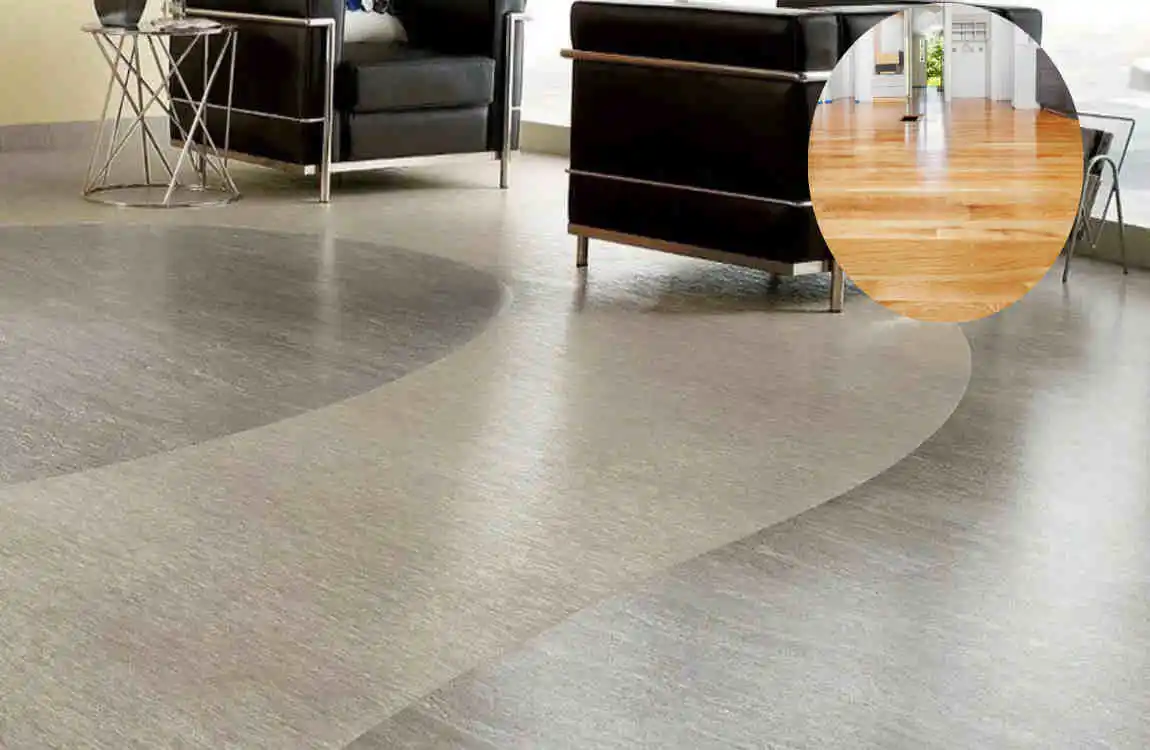
Contract flooring is commonly selected for environments where flooring must meet specific performance needs.
Commercial offices, restaurants, retail stores, schools, healthcare buildings, hotels, and apartment properties may all require different flooring characteristics.
For example, a quiet office may benefit from carpet. At the same time, a restaurant may need a surface that is easier to clean and resistant to moisture.
Standard residential flooring can still suit some projects, but contract applications often demand greater durability and easier maintenance.
Where Is Contract Flooring Used?
Contract flooring can be found in many different environments, including:
Offices: Comfortable flooring can help create a professional workplace.
Retail stores: Flooring must support heavy foot traffic while complementing displays.
Hotels and restaurants: Moisture resistance, cleaning, appearance, and safety become important.
Healthcare facilities: Hygiene and easy maintenance are major considerations.
Schools and public buildings: Floors need to tolerate frequent use and movement.
Rental properties: Durable and easy-to-maintain materials can reduce ongoing maintenance demands.
Why Choose Contract Flooring in Maine?
Maine presents particular challenges for buildings during colder months.
People can bring snow, moisture, mud, salt, and dirt inside. Entrance areas therefore require especially practical flooring.
A well-planned Maine contract flooring idea should account for these conditions from the start.
The goal is to choose a surface that looks good even with regular seasonal stress.
3. Popular Maine Contract Flooring Ideas
Luxury Vinyl Flooring
Luxury vinyl flooring has become a popular choice for many modern projects.
It can provide the appearance of wood or stone while offering a practical surface for busy spaces. Many products resist moisture and everyday wear.
For commercial applications, quality matters. Choose a product designed for the traffic level expected in the building.
Luxury vinyl can work particularly well in offices, retail spaces, rental properties, and other areas where you want a combination of style and easy maintenance.
Vinyl Plank and Vinyl Tile
Vinyl plank flooring can imitate the appearance of natural wood, while vinyl tile can create stone or other visual effects.
These options give designers considerable flexibility.
They can also be easier to maintain than some natural materials. Regular sweeping and appropriate cleaning can help keep the surface looking attractive.
For a busy building, vinyl can provide a useful balance between appearance, durability, and practical maintenance.
Commercial Carpet
Carpet remains useful in areas where comfort and sound control are priorities.
Office environments can benefit from carpet because it creates a softer surface underfoot and can help reduce noise.
Carpet tiles can be especially practical for commercial projects. If one section becomes badly damaged or stained, you can replace individual tiles rather than removing the entire floor.
Colors and patterns also provide opportunities to create a professional visual identity.
Commercial Tile Flooring
Ceramic and porcelain tile are strong options for areas that experience moisture or heavy use.
Tile can work well in entrances, bathrooms, hospitality spaces, and other demanding environments.
Porcelain is especially useful when durability and moisture resistance matter.
However, tile installation requires proper preparation. Uneven subfloors or poorly installed tiles can lead to problems later.
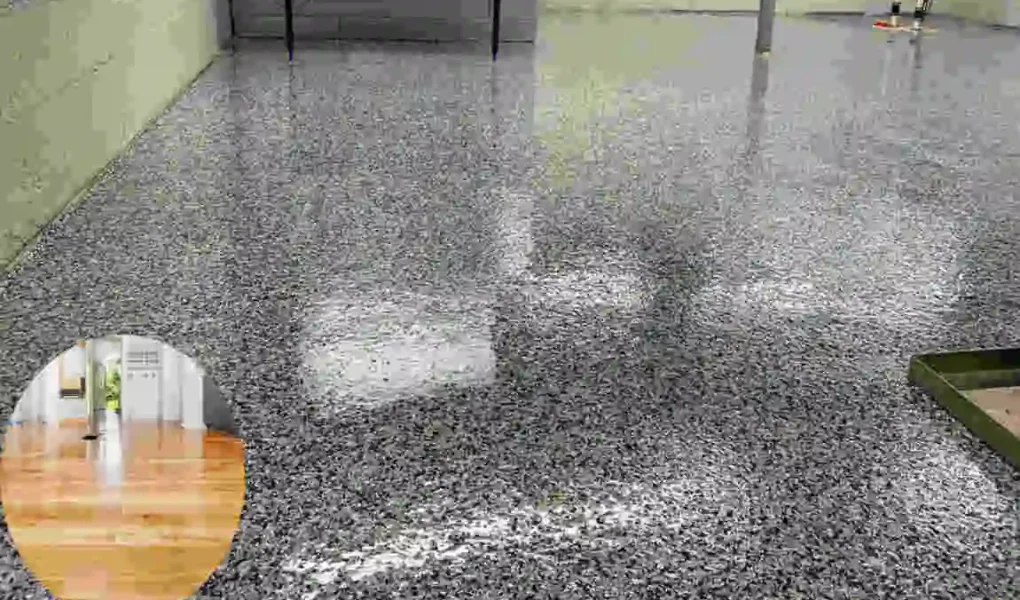
Concrete and Polished Concrete
Concrete offers a strong and modern appearance.
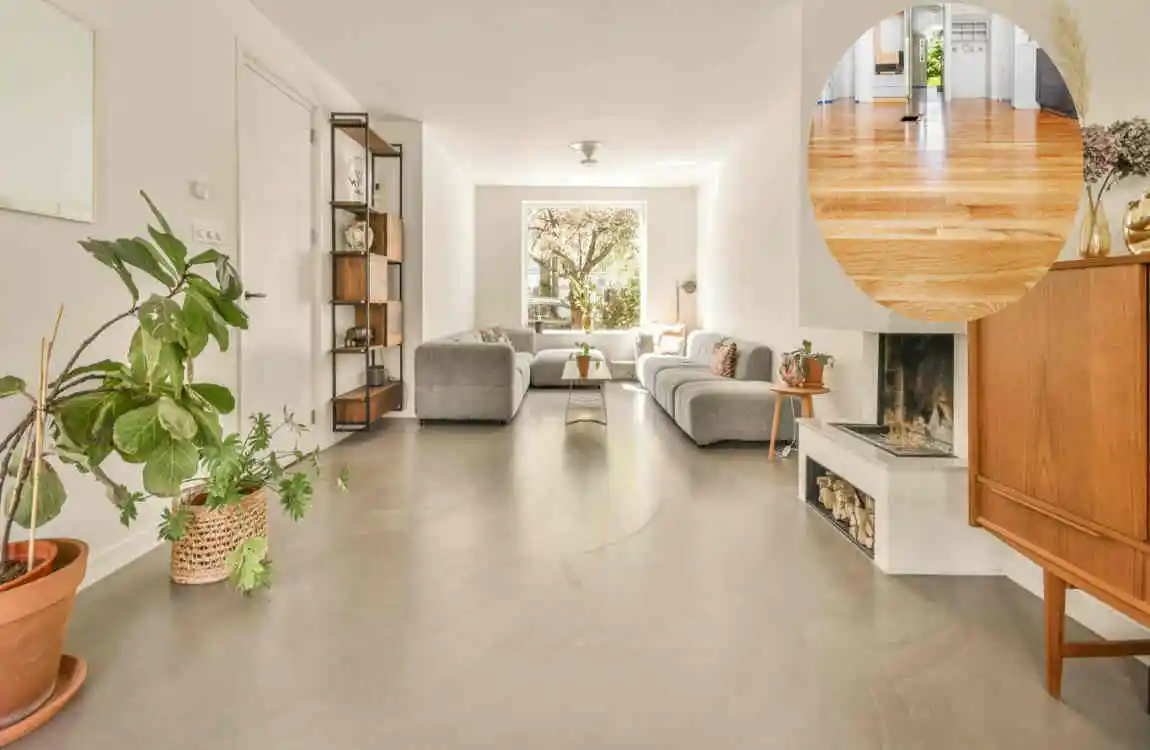
Polished concrete can create a clean surface that works particularly well in industrial, retail, warehouse, and contemporary commercial environments.
Its strength and long service potential can make it attractive for high-use spaces.
You can also customize the design with finishes, patterns, and surface treatments.
How to Choose the Best Contract Flooring
Consider Foot Traffic
First, understand how many people will use the space.
A private office may have relatively light traffic, while a supermarket, school hallway, or public entrance can experience constant movement.
Think about traffic in three broad categories:
- Low traffic: Private offices and lightly used rooms
- Medium traffic: General commercial areas and smaller retail spaces
- High traffic: Entrances, corridors, schools, stores, and public facilities
Select a flooring product designed for the expected level of use.
Think About Maine’s Climate
Winter conditions can create significant challenges.
People entering a building may carry snow, water, salt, and dirt onto the floor. These materials can damage some surfaces or create slippery conditions.
Entrance flooring deserves special attention.
Use durable, easy-to-clean materials in areas with the most exposure. Proper entrance mats can also help capture moisture and dirt before they spread throughout the building.
Compare Durability and Maintenance
Do not look only at the purchase price.
A cheaper floor may become expensive if it needs frequent repairs or replacement. Conversely, a higher-quality material may provide better long-term value.
Consider:
Cleaning: How frequently does it need maintenance?
Repairs: Can you replace individual sections?
Lifespan: How long should the material reasonably perform under the expected conditions?
Protection: Does it need special treatments or protective products?
Balance Style and Budget
Flooring is part of the building’s overall visual design.
A professional office may benefit from understated carpet or wood-look vinyl. A modern retail store might use polished concrete or large-format tile.
Choose a material that supports the design without exceeding the project’s budget.
The best flooring often offers the right mix of appearance, performance, and long-term value.
Contract Flooring Ideas for Different Spaces
Office Flooring Ideas
Offices need flooring that looks professional while remaining comfortable.
Luxury vinyl, carpet, and carpet tiles are common choices.
Carpet can create a quieter environment, while vinyl can provide a cleaner, more contemporary look.
You can also combine materials. For example, you may use carpet in work areas while installing vinyl around entrances, kitchens, or shared spaces.
Retail Flooring Ideas
Retail flooring must withstand constant customer traffic.
Commercial vinyl and tile can be useful because they offer durability and relatively simple cleaning.
The floor should also complement product displays. A highly decorative floor can compete with merchandise. In contrast, a simple, neutral floor lets displays become the main visual focus.
Restaurant and Hospitality Flooring
Restaurants need flooring that can cope with spills, moisture, food particles, and frequent cleaning.
Slip resistance is also important.
Durable vinyl and suitable tile can provide practical solutions, especially in high-traffic areas.
In hospitality environments, appearance matters too. Customers notice flooring, so the material should support the overall atmosphere of the restaurant or hotel.
Healthcare and Educational Spaces
Healthcare and educational buildings place additional demands on flooring.
Surfaces should be practical to clean and suitable for frequent use. Noise control can also matter, particularly in schools and areas where people spend long periods indoors.
The best solution depends on the specific room, traffic level, cleaning routine, and safety requirements.
Installation, Cost, and Maintenance
Flooring Installation Basics
Proper installation matters as much as choosing the right product.
Before installation begins, inspect the existing subfloor. Uneven areas, moisture problems, cracks, or damaged sections may need attention.
Accurate measurements also reduce material waste and installation problems.
For larger commercial projects, coordinate flooring installation with plumbing, electrical work, cabinetry, doors, and other construction activities.
Contract Flooring Cost Factors
There is no universal price for contract flooring.
The final project cost can depend on:
- Flooring material and quality
- Total floor area
- Subfloor condition
- Labor requirements
- Installation method
- Removal of existing flooring
- Special patterns or finishes
- Project accessibility and scheduling
Always consider the total project cost rather than the material price alone.
Maintenance Tips
Regular maintenance can significantly extend flooring‘s useful life.
Sweep or vacuum frequently to remove dirt and grit. Clean spills as soon as possible and follow the manufacturer’s recommended cleaning approach.
Use entrance mats in high-traffic areas to reduce moisture and dirt entering the building.
Furniture can also cause damage. Protective pads under heavy furniture can help prevent scratches and pressure marks.
Common Mistakes to Avoid
One of the biggest mistakes is choosing flooring only because it looks attractive.
A material may look excellent in a showroom but perform poorly in a busy commercial environment.
Other common mistakes include:
- Ignoring maintenance costs
- Selecting unsuitable materials for wet areas
- Underestimating foot traffic
- Skipping subfloor preparation
- Failing to plan around doors and appliances
- Choosing the cheapest product without considering durability
Take time to understand how the space will actually be used before making your final decision.
Future Trends in Maine Contract Flooring
Sustainable Flooring Materials
Sustainability is becoming an increasingly important consideration in building projects.
Manufacturers continue to develop flooring products using recycled content, renewable resources, and production methods designed to reduce environmental impact.
For building owners, sustainability can also mean choosing durable materials that don’t need frequent replacement.
Modern Commercial Designs
Commercial flooring is shifting toward more natural, comfortable visual styles.
Wood-look surfaces, warm neutral colors, subtle patterns, and natural textures can make commercial environments feel less institutional.
Mixed flooring is another useful design strategy. Different materials can define separate zones without requiring physical walls.
Smart and High-Performance Flooring
Future contract flooring will likely focus increasingly on performance.
Manufacturers are developing products designed to improve durability, simplify maintenance, and handle demanding environments.
For building owners, this means flooring decisions may increasingly focus on total performance over time, rather than simply the initial purchase price.
FAQ
What is the best contract flooring for Maine?
No single material is best for every building. Luxury vinyl, commercial tile, and other durable moisture-resistant products can be strong choices, particularly in areas exposed to winter moisture, dirt, and heavy traffic.
What is the most durable contract flooring option?
Tile, concrete, and high-quality commercial vinyl can all be highly durable when selected and installed correctly. The best option depends on traffic, moisture, maintenance, and the specific environment.
Is vinyl flooring a good choice for Maine?
Yes, vinyl can be a practical choice for many Maine properties. It offers flexible designs, relatively easy maintenance, and moisture-resistant options. Choose a commercial-grade product for spaces with heavy use.
How much does contract flooring cost?
Contract flooring costs vary by material, project size, labor, installation method, subfloor condition, and preparation requirements. Comparing only the price per square foot may not show the complete cost.
What flooring is best for high-traffic commercial areas?
Commercial vinyl, tile, carpet tile, and polished concrete can all work in high-traffic areas. Your choice should depend on the expected traffic, desired appearance, cleaning requirements, and environmental conditions.
How can I maintain contract flooring?
Regularly remove dirt and debris, clean spills quickly, use suitable cleaning products, and protect high-traffic areas with entrance mats. Follow the care instructions for the specific flooring material.
How do I choose the right Maine contract flooring idea?
Start with foot traffic, moisture exposure, durability, appearance, maintenance, and budget. Then compare suitable materials and consider their long-term performance rather than focusing only on the initial price.
| Aspect | Information |
|---|---|
| Main Focus | Durable and attractive flooring for commercial and contract spaces |
| Popular Options | Luxury vinyl, carpet tile, sheet vinyl, rubber, ceramic tile, and polished concrete |
| Best for Offices | Luxury vinyl tile (LVT) and carpet tiles |
| Best for Retail | LVT, porcelain tile, and polished concrete |
| Best for Healthcare | Sheet vinyl and rubber flooring |
| Durability | Choose flooring designed for heavy foot traffic and frequent cleaning |
| Design Trends | Wood-look finishes, neutral colors, geometric patterns, and natural textures |
| Maintenance | Low-maintenance surfaces can reduce long-term cleaning and replacement costs |
| Sustainability | Look for recycled, recyclable, low-VOC, and responsibly manufactured materials |