A beautiful floor can completely change a home’s feel. Traditional European flooring is loved for its natural materials, rich textures, warm colors, and timeless appearance. Rather than chasing short-lived trends, these floors often emphasize craftsmanship and designs that stay attractive for decades.
A traditional European home floor can take inspiration from many parts of Europe. French country homes often use limestone and aged wood, Italian interiors are known for marble and stone, English homes favor classic timber floors. At the same time, Spanish and Mediterranean spaces often feature terracotta and decorative tiles.
What Is a Traditional European Home Floor?
A traditional European home floor generally refers to flooring inspired by historic and regional European design. These floors often emphasize natural materials, craftsmanship, subtle colors, and practical durability.
The style can look rustic, refined, luxurious, or relaxed depending on the material you choose.
Classic European Flooring Characteristics
Traditional European flooring commonly features:
- Natural materials such as oak, limestone, marble, terracotta, and stone
- Rich textures created through natural variation and handcrafted finishes
- Classic patterns including herringbone, chevron, and decorative tile designs
- Warm and neutral colors such as cream, beige, brown, gray, and terracotta
- Durable construction designed for everyday use
These characteristics help create a floor that feels connected to the architecture rather than added as decoration.
Why European Floors Remain Popular
European-inspired floors remain popular because they balance beauty and practicality. Natural wood floors can add warmth to a room, while limestone can create a relaxed French country atmosphere.
Another advantage is versatility. Traditional flooring works with antique furniture, contemporary sofas, modern lighting, and simple minimalist decor.
That flexibility makes the style useful for both old-fashioned and modern homes.
Traditional European Wood Flooring Ideas
Wood has played an important role in European residential interiors for centuries. Today, it remains one of the easiest ways to create a warm and elegant atmosphere.
Wide-Plank Oak Floors
Wide-plank oak flooring is an excellent choice when you want a traditional European appearance with a relaxed feel.
Oak’s natural grain gives the floor visual depth. A lightly aged or matte finish can make it feel authentic without making the room look old-fashioned.
Wide boards can also make a room appear more open because there are fewer visible joints across the floor.
This style works especially well in:
- Living rooms
- Dining rooms
- Bedrooms
- Libraries
- Open-plan family areas
Choose a natural or softly weathered finish for a French country or rustic European look. A deeper stain can create a more traditional English atmosphere.
Herringbone and Chevron Patterns
Herringbone flooring uses rectangular wood pieces arranged in a broken zigzag pattern. Chevron flooring creates a continuous V-shaped pattern because the ends of the boards are cut at an angle.
Both designs add sophistication, but they create slightly different visual effects.
Herringbone often feels traditional and established, while chevron can appear more polished and formal.
These patterns work particularly well in entrance halls, dining rooms, living rooms, and larger bedrooms.
Reclaimed and Distressed Wood
If you want your home to have genuine rustic character, consider reclaimed or distressed wood.
Small variations in color, grain, and texture can give the floor a sense of history. You do not need a perfectly uniform surface to achieve an elegant result.
The key is balance. Pair an aged wood floor with simple furniture and calm wall colors so the natural texture remains the main feature.
European Stone and Tile Flooring Styles
Wood is not the only option for a traditional European home floor. Stone and tile can create completely different moods while still maintaining a classic European character.
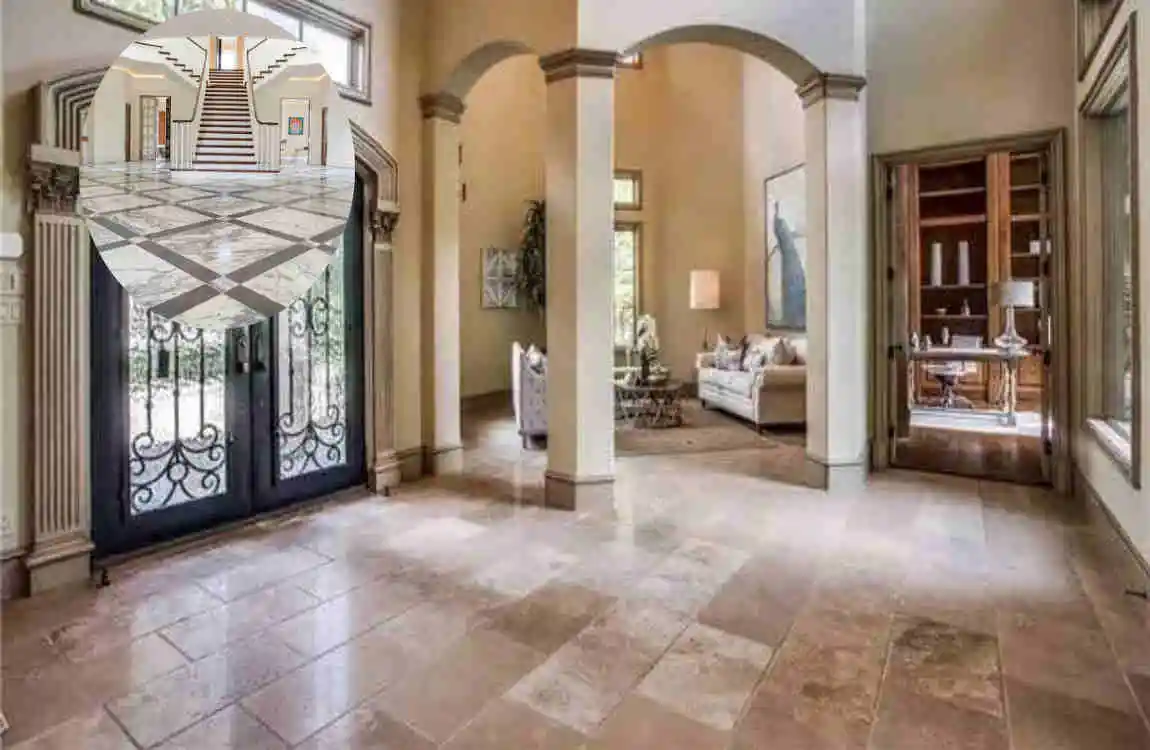
French Limestone Flooring
French-inspired interiors often use limestone for its soft appearance and natural variation.
Limestone usually works beautifully with cream, beige, off-white, and muted gray interiors. Its understated look suits homeowners who prefer elegance without excessive decoration.
It can be particularly attractive in:
- Kitchens
- Entryways
- Dining areas
- Living rooms
- Hallways
A lightly textured finish can make the space feel more relaxed and natural.
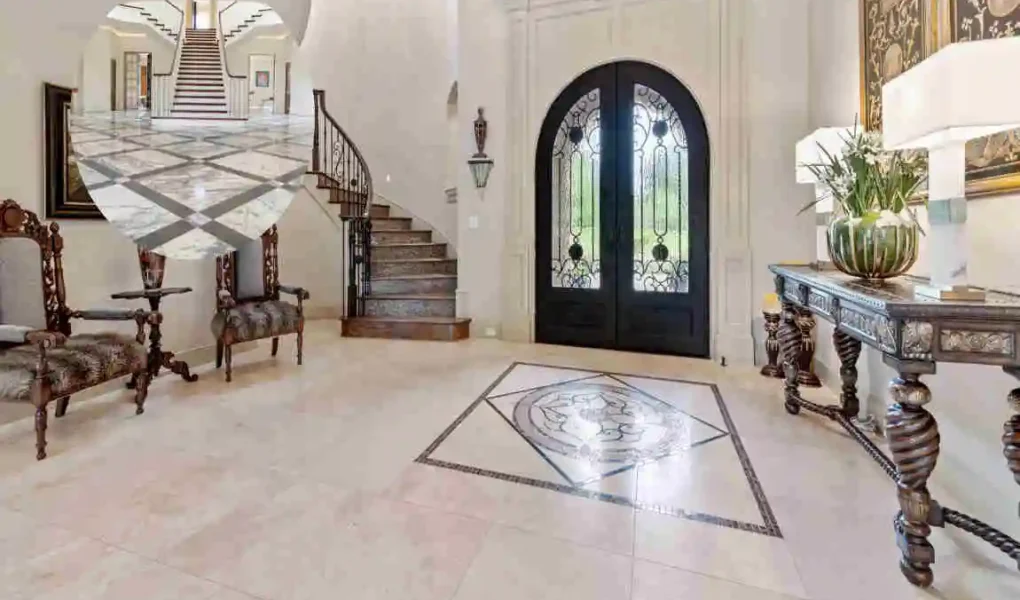
Italian Marble Floors
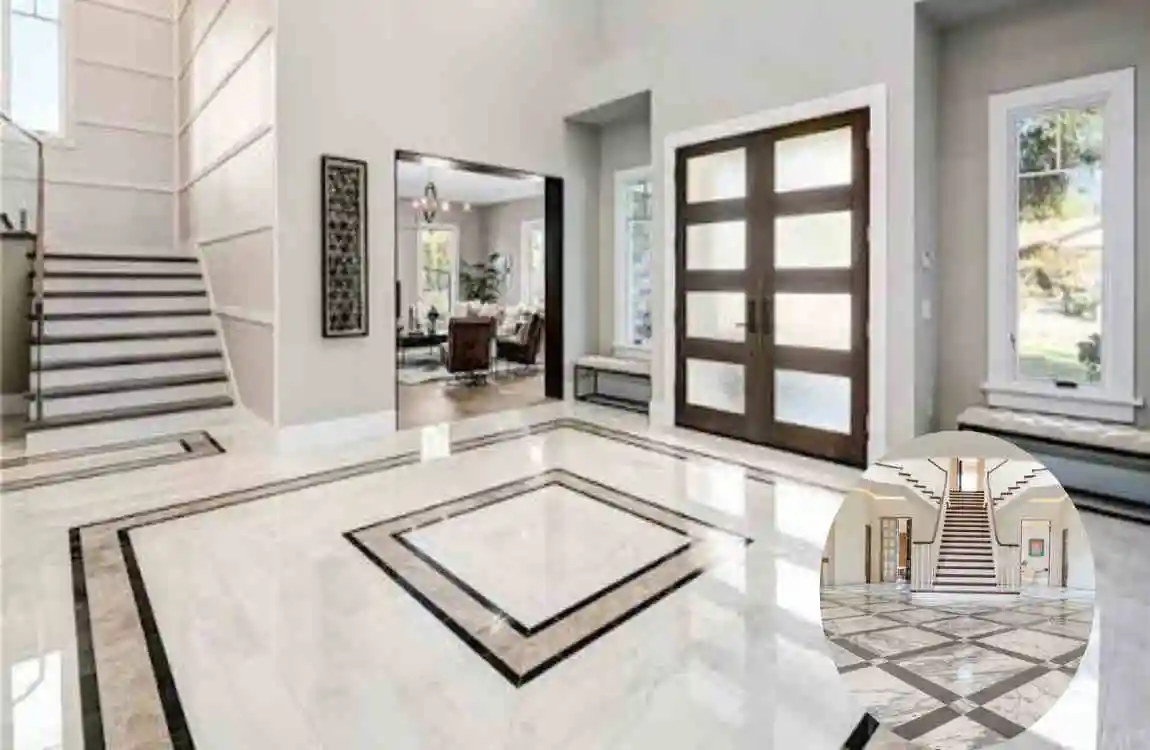
For a more luxurious appearance, Italian-inspired marble flooring can create a dramatic focal point.
White, cream, gray, and softly veined marble can make an entrance or formal room feel sophisticated. Marble works particularly well when the rest of the interior remains relatively simple.
Too many decorative elements can compete with the stone’s natural veining. Let the flooring have enough visual space to stand out.
Terracotta Tiles
Terracotta flooring is strongly associated with warm Mediterranean and Spanish interiors.
Its earthy orange, red, brown, and muted tones create a welcoming atmosphere. Terracotta works especially well in kitchens, dining areas, sunrooms, courtyards, and covered outdoor spaces where you want rustic character.
Because terracotta has a strong visual identity, combine it with neutral walls and natural wood furniture for a balanced look.
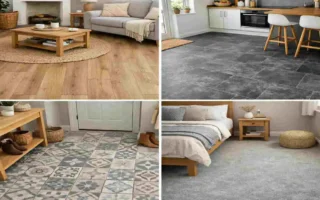
Encaustic and Patterned Tiles
Decorative patterned tiles can introduce personality into a European-inspired interior.
You might use geometric patterns, floral details, or Mediterranean-inspired motifs. However, use patterned flooring thoughtfully.
If the floor has a strong design, keep nearby walls, cabinets, and furniture relatively simple. This prevents the room from becoming visually overwhelming.
Flooring Ideas Inspired by Different European Regions
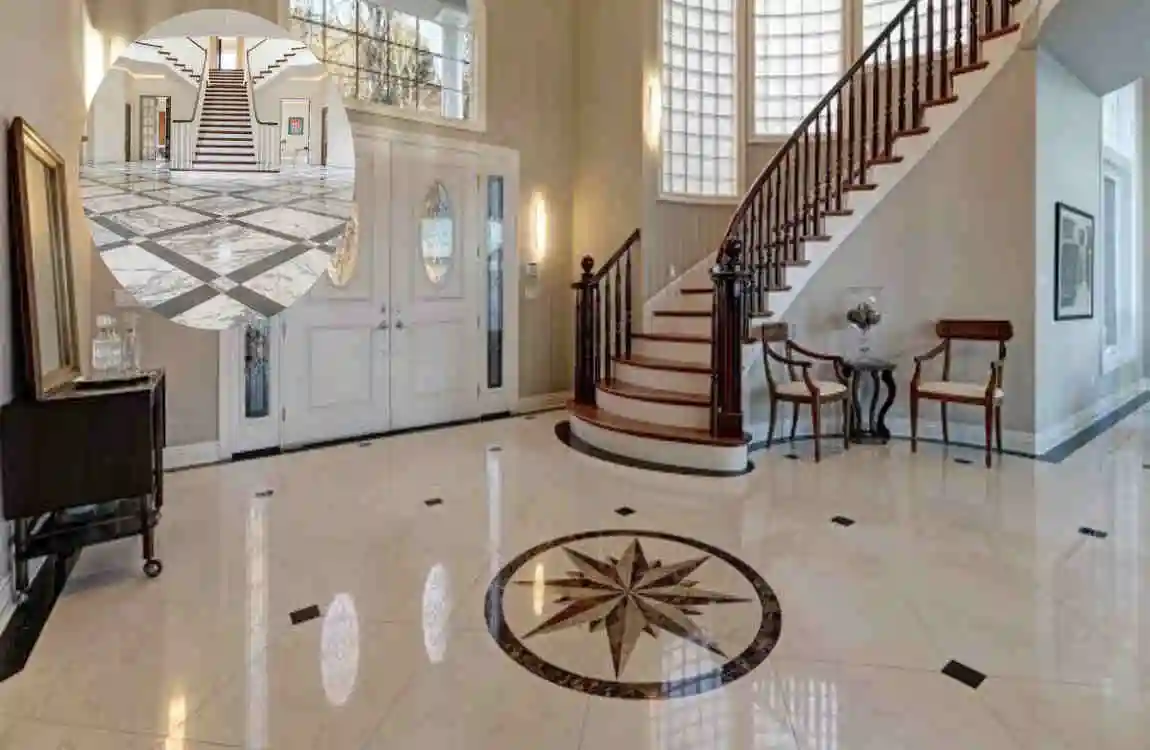
One of the most interesting things about European flooring is that every region has its own character. Choose a style based on the atmosphere you want to create.
French Country Flooring
French country interiors usually have relaxed, understated elegance.
Think of aged oak, limestone, muted colors, and natural textures. The goal is not to make everything perfectly polished. Small imperfections can actually add charm.
Pair a limestone floor with linen furniture, soft cream walls, wooden beams, and simple decor for a comfortable, French-inspired setting.
Italian Flooring Style
Italian-inspired flooring can range from rustic terracotta and natural stone to elegant marble.
A sophisticated Italian interior often depends on quality materials rather than excessive decoration. A simple marble floor combined with warm lighting and understated furniture can create a refined atmosphere.
For a rustic Italian look, terracotta and natural stone can add a warmer, more relaxed character.
English Traditional Flooring
English traditional homes often feature wood flooring in deeper natural shades.
Dark oak, walnut-inspired finishes, herringbone patterns, and classic plank flooring can work particularly well in formal living rooms, studies, libraries, and dining spaces.
To keep the room comfortable rather than heavy, introduce lighter upholstery, soft rugs, and plenty of natural light.
Spanish and Mediterranean Flooring
Spanish and Mediterranean interiors are known for terracotta, decorative tiles, stone, and earthy colors.
These floors often feel warm and inviting. Terracotta can work beautifully with white plaster walls, exposed wood, wrought-iron details, and natural textiles.
You can also use patterned tiles as an accent around an entrance, kitchen, or bathroom.
How to Choose a Traditional European Home Floor
Choosing flooring should involve more than appearance. Consider how the room is used, how much maintenance you are comfortable with, and how the flooring will work with the rest of your home.
Consider the Room
Different flooring materials work better in different spaces.
A warm oak floor may be ideal for a bedroom or living room, while durable stone or tile can make more sense in a busy entryway.
For a kitchen, consider moisture, spills, cleaning, and daily traffic. In a bathroom, choose a flooring material that can handle regular moisture and provides a safe surface.
Match Flooring With Interior Design
Look at the entire room rather than choosing flooring in isolation.
Consider your:
- Wall colors
- Furniture style
- Lighting
- Doors and trim
- Ceiling details
- Architectural features
For example, a heavily patterned tile may not work well with highly decorated furniture and bold walls. A simple limestone floor can provide a calmer foundation.
Consider Durability and Maintenance
Think about your lifestyle before choosing a material.
A busy family home may need a floor that can handle frequent foot traffic. Homes with pets may also benefit from practical, easy-to-maintain surfaces.
Natural materials can age beautifully, but they may require appropriate cleaning and occasional care.
How to Create an Elegant European Flooring Look
You can create a European-inspired atmosphere without filling every room with traditional furniture. The flooring should fit into a larger design story.
Use Natural and Neutral Colors
European interiors often rely on a calm color palette.
Cream, beige, warm gray, brown, soft white, and earthy shades provide a natural background for wood and stone flooring.
If your floor has strong color variation, neutral walls can help maintain balance.
Combine Classic Flooring With Modern Comfort
Traditional flooring does not mean your entire home needs to look historic.
You can place modern furniture on aged oak floors or pair contemporary lighting with traditional herringbone flooring.
This combination can make the home feel both timeless and current.
Rugs and textiles are also useful. A simple rug can soften a hard floor and create a comfortable seating area.
Highlight Architectural Details
Traditional flooring works even better when it connects with other architectural elements.
Consider features such as:
- Exposed wood beams
- Decorative wall moldings
- Arched doorways
- Natural stone walls
- Classic fireplaces
- Wooden doors and trim
These details can make the floor feel like a natural part of the home’s architecture.
Common Flooring Mistakes to Avoid
One common mistake is using too many patterns in one room. If the floor already has a strong herringbone or decorative tile pattern, adding more bold patterns can create visual clutter.
Another mistake is ignoring room proportions. Large, detailed patterns may overwhelm a small room. In contrast, tiny patterns can feel busy in a large open space.
You should also avoid choosing materials simply because they look beautiful in photographs. Think about maintenance, moisture, traffic, and everyday use before making your final choice.
Traditional European Flooring: Costs, Maintenance & Design Tips
The cost of traditional European flooring can vary considerably. Material quality, installation method, pattern complexity, room size, and preparation work all affect the final expense.
Flooring Cost Considerations
A simple plank floor is generally easier to install than an intricate herringbone or chevron design.
Likewise, natural stone may require specialized preparation and installation. Reclaimed materials can also involve additional work because each piece may have different dimensions or surface characteristics.
Before starting a project, consider both the material price and installation cost. Also allow room in the budget for subfloor preparation, finishing, sealing, and possible restoration.
Easy Maintenance Tips
Proper maintenance helps traditional flooring retain its appearance.
Sweep or vacuum regularly to remove dirt and grit that can scratch surfaces. Use cleaning products appropriate for the specific material rather than assuming one cleaner works for every floor.
For wood, protect the surface from unnecessary moisture and use furniture pads under heavy pieces. For natural stone and terracotta, follow suitable sealing and cleaning practices.
Rugs can also help protect high-traffic areas while adding warmth and character.
Frequently Asked Questions
What is a traditional European home floor?
A traditional European home floor is flooring inspired by classic European residential architecture. It commonly uses natural wood, stone, marble, limestone, terracotta, or decorative tile.
What flooring is most common in traditional European homes?
No single flooring type is used throughout Europe. Oak and other wood floors, natural stone, limestone, marble, terracotta, and patterned tiles are all associated with different European regions and architectural traditions.
Is herringbone flooring a European style?
Yes. Herringbone has a long history in European interiors and remains a popular choice for a classic, sophisticated look.
What is the best European flooring for an elegant home?
The appropriate choice depends on your home’s architecture and lifestyle. Oak, herringbone, limestone, and marble can all create elegant results when selected and installed appropriately.
Is European wood flooring expensive?
Prices vary by wood type, board size, finish, installation method, pattern, and quality. Intricate patterns and premium materials generally require more investment.
How do you maintain traditional European flooring?
Regular sweeping or vacuuming, gentle cleaning, appropriate protective products, and furniture pads can help maintain flooring. Natural materials should receive care suitable for their specific surface.
Can traditional European floors work in modern homes?
Absolutely. Traditional floors can pair beautifully with contemporary furniture, modern lighting, simple cabinetry, and clean architectural lines. This combination creates a comfortable old-meets-new aesthetic.
| Flooring Idea | Key Features | Best Rooms | Elegant Look |
|---|---|---|---|
| Classic Oak Parquet | Geometric wood patterns, warm tones | Living Room, Dining Room | Timeless & refined |
| French Herringbone | Angled wood planks with clean lines | Hallway, Lounge | Sophisticated & luxurious |
| European Wide-Plank Wood | Wide natural boards, visible grain | Bedroom, Living Room | Warm & classic |
| Marble Flooring | Natural stone with elegant veining | Entryway, Bathroom | Grand & luxurious |
| Terracotta Tiles | Handmade look, earthy colors | Kitchen, Dining Area | Rustic European charm |
| Encaustic Cement Tiles | Decorative traditional patterns | Kitchen, Hallway | Artistic & vintage |