Garage floors endure a lot. From heavy vehicle loads to chemical spills and fluctuating temperatures, they require durable, reliable flooring solutions. For years, epoxy coatings have been the go-to option for protecting garage floors. However, as technology advances, homeowners and professionals are exploring better alternatives to epoxy that address its common shortcomings.
Why Homeowners Are Looking Beyond Epoxy
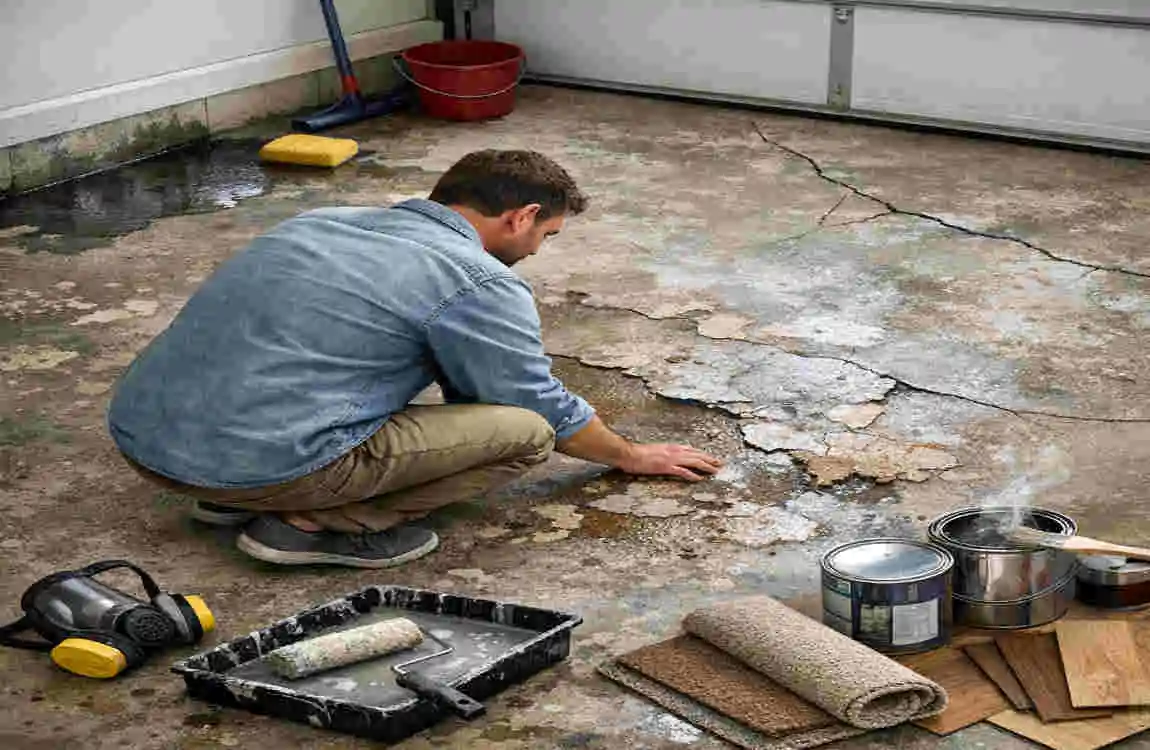
Epoxy has dominated the garage flooring market for decades due to its affordability and durability. However, it’s not without its flaws. Let’s take a closer look at why more homeowners are considering other options.
Common Problems with Epoxy Floors
While epoxy offers a durable and attractive finish, it comes with several limitations that make it less appealing in certain situations:
- Yellowing from UV Exposure: Epoxy coatings can discolor and lose their shine when exposed to sunlight over time.
- Long Curing Time: Epoxy can take several days to cure, delaying when you can use your garage.
- Peeling Issues: Over time, epoxy may peel or delaminate, especially if the floor wasn’t prepped correctly.
- Moisture Sensitivity: Epoxy doesn’t adhere well to wet surfaces, which can cause bubbling or peeling in humid climates.
- Hot Tire Pickup: Epoxy can soften under high temperatures, causing it to lift when hot tires are parked on it.
These problems lead many to search for better-performing alternatives for their garage floors.
When Epoxy Is Still a Good Choice
Despite its drawbacks, epoxy remains a viable option in certain cases:
- Budget Projects: Epoxy is one of the most affordable garage flooring solutions.
- Indoor Garages: For garages that don’t experience direct sunlight, epoxy’s yellowing issue is less of a concern.
- Low-Traffic Spaces: If your garage is used mainly for storage or light use, epoxy can last for years without major issues.
What’s Better Than Epoxy for Garage Floors?
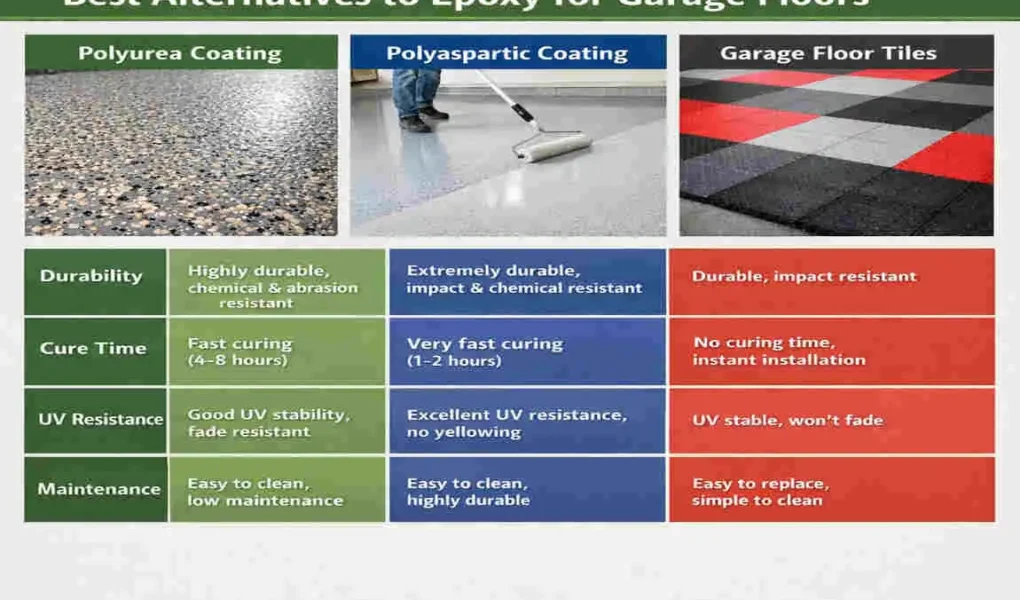
With advancements in flooring technology, several alternatives outperform epoxy in durability, appearance, and ease of maintenance. Here’s a quick comparison table to help you understand your options at a glance:
Flooring OptionDurabilityUV ResistanceInstallationLifespan
Polyaspartic Excellent Excellent Fast 15–20 Years
Polyurea Excellent Excellent Very Fast 15–20 Years
Garage Floor Tiles Very Good Excellent Easy DIY 20+ Years
Concrete Sealer Good Good Easy 5–10 Years
Polished Concrete Excellent Excellent Professional 20+ Years
Now, let’s dive deeper into each alternative.
Polyaspartic Floor Coatings
Advantages
Polyaspartic coatings are game-changers for garage flooring. They cure quickly, resist UV damage, and provide exceptional durability. Key benefits include:
- Fast Curing: Polyaspartic coatings typically cure in just a day, minimizing downtime.
- UV Stable: Unlike epoxy, polyaspartic coatings won’t yellow or fade in sunlight.
- Chemical Resistance: They can withstand oil spills, gasoline, and other chemicals without staining.
- Long Lifespan: With proper maintenance, polyaspartic floors can last 15–20 years.
Drawbacks
- Higher Upfront Cost: Polyaspartic coatings are more expensive than epoxy.
- Professional Installation Recommended: While DIY is possible, professional installation ensures better results.
Best For
Polyaspartic is ideal for residential garages, luxury homes, and high-traffic areas where durability and aesthetics are a priority.
Polyurea Garage Floor Coatings
Benefits
Polyurea coatings are known for their extreme durability and flexibility. Some of their standout features include:
- Temperature Resistant: They perform well in both hot and cold climates.
- Flexible and Impact Resistant: Polyurea is less likely to crack under heavy loads or impacts.
- Fast Installation: Polyurea cures even faster than polyaspartic.
Disadvantages
- Difficult DIY Installation: Polyurea requires special equipment and expertise, making it harder for homeowners to apply themselves.
- Premium Pricing: It’s one of the more expensive options on the market.
Ideal Applications
Polyurea is best suited for commercial garages, workshops, and heavy vehicle storage, where durability is paramount.
Interlocking Garage Floor Tiles
Pros
These tiles are a DIY-friendly alternative to coatings. They’re easy to install and offer a stylish appearance. Benefits include:
- DIY Friendly: No special skills or tools are required for installation.
- Replace Individual Tiles: If a tile is damaged, you can replace it without having to redo the entire floor.
- Attractive Appearance: Available in a variety of patterns and colors, tiles add personality to your garage.
- No Curing Required: Unlike coatings, there’s no waiting period after installation.
Cons
- Higher Material Costs: Tiles can be more expensive upfront compared to coatings.
- Dirt Accumulation: Dirt and debris may collect in the gaps between tiles, requiring frequent cleaning.
Polished Concrete Floors
Benefits
Polished concrete is a sleek and modern option that’s both durable and eco-friendly. Advantages include:
- Modern Appearance: Its shiny, smooth finish gives garages a high-end look.
- Low Maintenance: Polished concrete is easy to clean and requires minimal upkeep.
- Long-Lasting: Properly maintained polished concrete can last over 20 years.
- Eco-Friendly: It utilizes the existing concrete slab, reducing waste.
Limitations
- Higher Installation Cost: Polished concrete typically requires professional installation, which increases costs.
- Slippery When Wet: The polished surface can become slick, especially in damp conditions.
Concrete Sealers
Benefits
Concrete sealers are an affordable and simple way to protect your garage floor. Key benefits include:
- Affordable: Sealers are one of the cheapest flooring options available.
- Easy Application: They can be applied with a roller or sprayer, making them DIY-friendly.
- Protection Against Stains: Sealers prevent oil and other liquids from penetrating the concrete.
Limitations
- Less Durable Than Coatings: Sealers don’t offer the same level of protection as polyaspartic or polyurea coatings.
- Doesn’t Hide Imperfections: Sealers won’t cover cracks or other visible flaws in the concrete.
Garage Floor Paint vs Epoxy vs Polyaspartic
Here’s a side-by-side comparison of the three most popular options:
FeaturePaintEpoxyPolyaspartic
Durability Low High Excellent
UV Resistance Low Poor Excellent
Cure Time 1 Day 3–7 Days 1 Day
Chemical Resistance Fair High Excellent
Cost Low Medium High
Factors to Consider Before Choosing Garage Flooring
Budget
Think about both the upfront cost and the long-term value of the flooring option. While Premium options like polyaspartic have higher initial costs, they often pay off over time with their durability.
Climate
Consider how your garage floor will react to extreme temperatures or humidity. For example, polyurea and polyaspartic thrive in hot climates, while epoxy may struggle.
Garage Usage
How you use your garage matters. A simple parking space may not need the same durability as a workshop or home gym.
Maintenance Requirements
Some options, like polished concrete, are low-maintenance, while others, like tiles, may require more frequent cleaning.
Which Garage Floor Option Is Best for Different Needs?
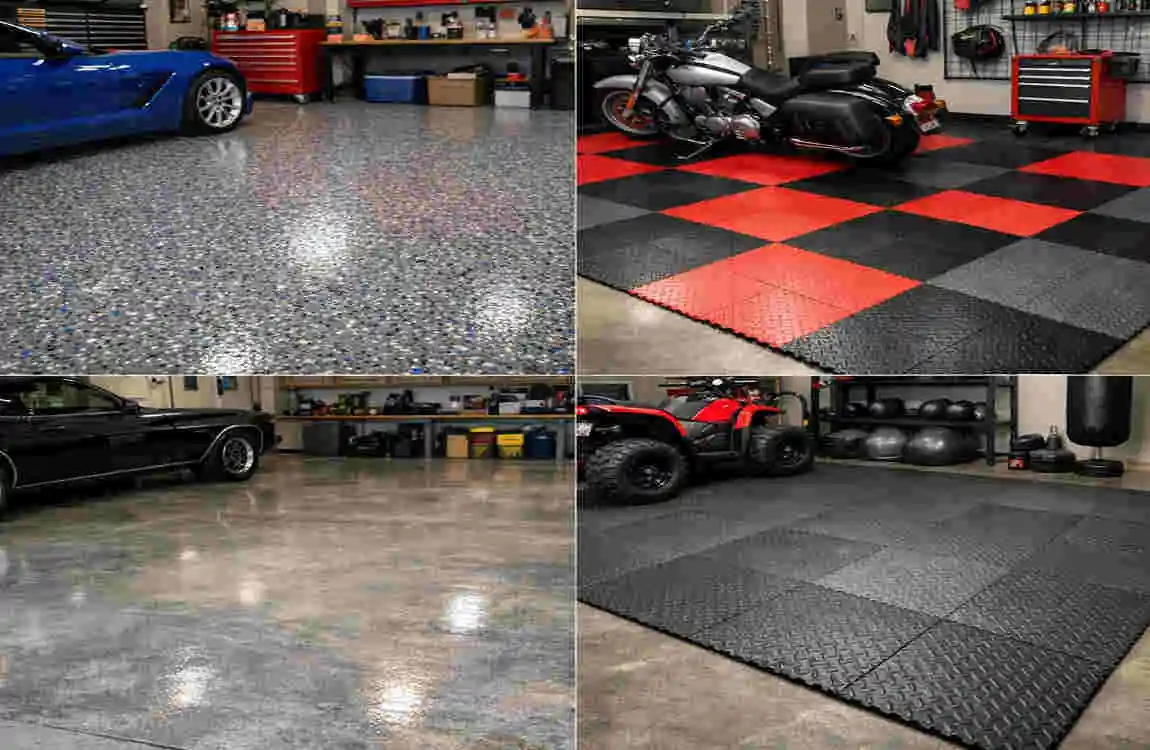
- Best Overall: Polyaspartic
- Best Budget Option: Concrete sealer
- Best DIY Choice: Interlocking tiles
- Best for Heavy-Duty Garages: Polyurea
- Best Long-Term Investment: Polished concrete
Maintenance Tips to Extend Garage Floor Life
Follow these tips to keep your garage floor in top condition:
- Clean spills immediately to prevent stains.
- Sweep regularly to avoid dirt buildup.
- Avoid dragging heavy objects across the floor.
- Use protective mats under heavy equipment.
- Reapply sealers or coatings as needed.
- Inspect for cracks and damage annually.
Common Mistakes to Avoid
- Skipping surface preparation before applying coatings.
- Ignoring moisture testing, which can lead to peeling.
- Choosing a flooring option based solely on price.
- Applying coatings in poor weather conditions.
- Using harsh cleaners that can damage the surface.
Frequently Asked Questions (FAQ)
What’s better than epoxy for garage floors?
Polyaspartic and polyurea coatings are widely considered superior to epoxy coatings because they cure faster, resist UV damage, and offer greater durability.
Is polyaspartic worth the extra cost?
Yes. It provides a longer lifespan, excellent chemical resistance, and minimal downtime, making it a cost-effective long-term investment.
Which garage floor coating lasts the longest?
Polyurea, polyaspartic, and polished concrete can last 15–20 years or more with proper maintenance.
Can I install garage floor coatings myself?
DIY-friendly options include interlocking garage floor tiles and some epoxy kits. Polyurea and polyaspartic coatings are typically best installed by professionals.
What is the cheapest alternative to epoxy?
Concrete sealers and garage floor paint are the most affordable options, though they provide less protection and durability.
Are garage floor tiles better than epoxy?
Garage floor tiles are easier to install and replace, while epoxy offers a seamless finish. The better choice depends on your budget, maintenance preferences, and intended use.
| Garage Floor Coating | Why It’s Better Than Epoxy | Best For | Average Lifespan |
|---|---|---|---|
| Polyaspartic Coating | Faster curing, UV-resistant, won’t yellow, highly durable | Residential and commercial garages | 15–20 years |
| Polyurea Coating | Extremely flexible, impact-resistant, handles temperature changes well | Heavy-duty garages and workshops | 15–20+ years |
| Polished Concrete | Low maintenance, no coating to peel, modern appearance | Modern homes and light-use garages | 20+ years |
| Concrete Stain & Sealer | Affordable, decorative, easy to maintain | Budget-friendly garage upgrades | 5–10 years |
| Interlocking Garage Floor Tiles | Easy DIY installation, replaceable, no curing time | Home garages and temporary flooring | 10–20 years |
| Rubber Garage Flooring | Comfortable underfoot, slip-resistant, protects concrete | Home gyms and multipurpose garages | 10–15 years |
| Vinyl Garage Floor Rolls | Water-resistant, quick installation, easy to clean | Residential garages with light traffic | 10–15 years |