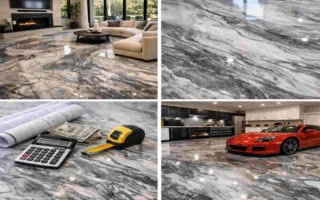
If you are planning a home update, one of the biggest questions is how much it costs to floor a whole house. The answer depends on the material, your home’s size, labor, and the amount of prep work needed.
New flooring is a major investment because it changes both the look and comfort of your home. It can make rooms feel cleaner, brighter, and more up-to-date. It can also improve resale value if you choose the right material.
How Much Does It Cost to Floor a Whole House?
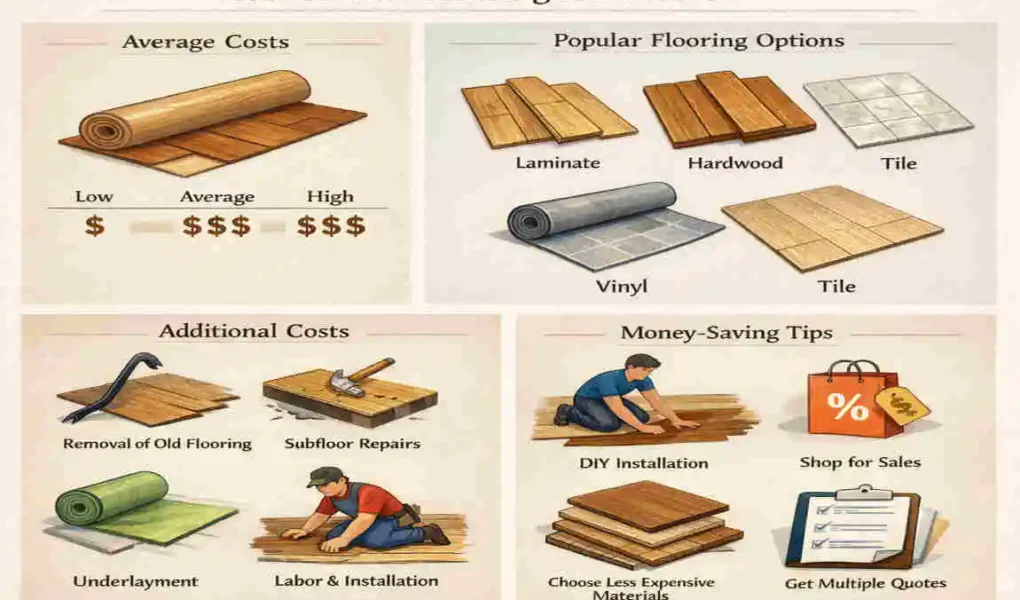
National Average Cost
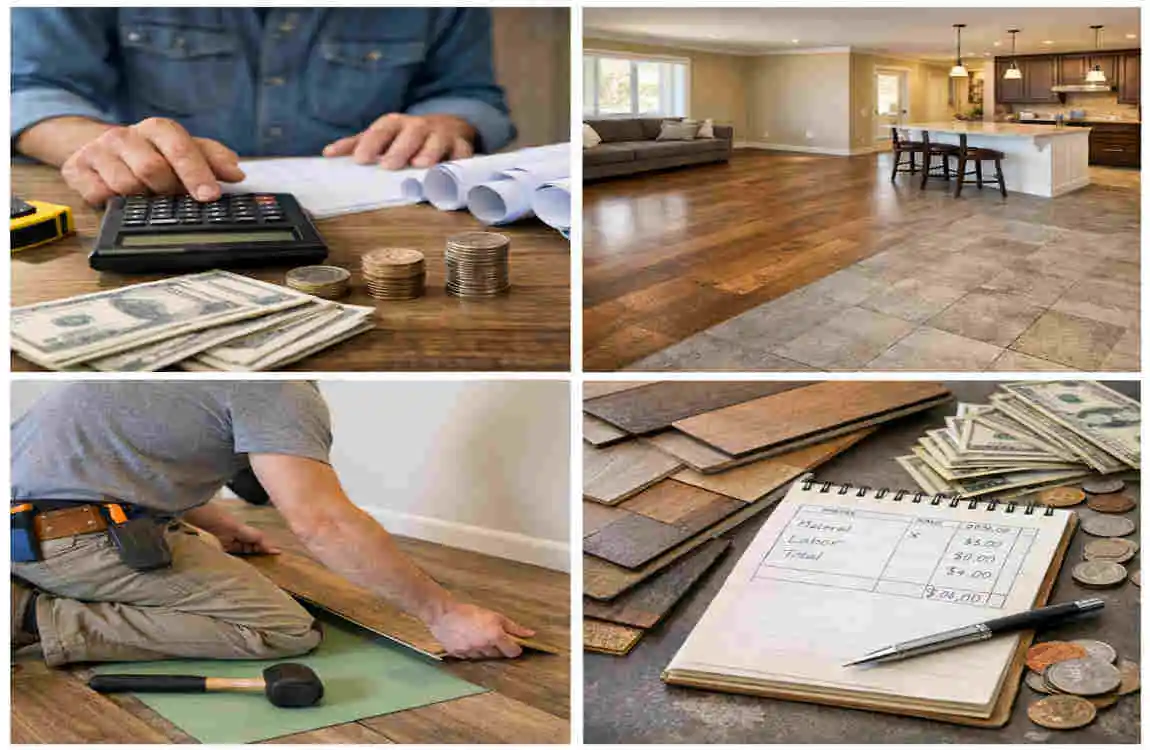
For most homeowners, the cost of new flooring for a whole house usually falls between $6,000 and $20,000+. The final price can go much higher for large homes or premium materials like hardwood and tile.
On average, flooring costs about $3 to $12 per square foot, including materials and installation. Budget options cost less, while high-end options cost more.
Cost Breakdown by Home Size
The larger your home, the more materials and labor you need. That is why the total price rises quickly with square footage.
Home Size Estimated Whole House Flooring Cost
1,000 sq. ft. $3,000–$8,000
1,500 sq. ft. $4,500–$12,000
2,000 sq. ft. $6,000–$16,000
2,500 sq. ft. $7,500–$20,000
3,000+ sq. ft. $9,000–$30,000+
If you are asking how much it costs to floor a whole house, the answer depends on your home’s size and the flooring type you choose.
Flooring Cost by Material
Hardwood Flooring
Hardwood flooring cost is usually on the higher end. It often ranges from $8 to $15+ per square foot installed.
Hardwood looks beautiful and lasts a long time, but it costs more and needs care. It is best for living rooms, bedrooms, and areas where you want a warm, classic look.
Laminate Flooring
Laminate flooring costs are often much lower, typically around $3 to $7 per square foot installed.
It is a popular choice because it looks good, installs quickly, and works well in busy homes. It is not as durable as hardwood, but it is a strong, budget-friendly option.
Vinyl Plank Flooring
Vinyl plank flooring cost is often between $3 and $8 per square foot installed.
Vinyl plank is loved for its water resistance and easy care. It works well in kitchens, bathrooms, laundry rooms, and basements. If you want a practical and affordable floor, this is one of the best choices.
Tile Flooring
Tile usually costs more to install because labor can be harder. Ceramic tile is generally cheaper than porcelain tile.
- Ceramic tile: more affordable
- Porcelain tile: stronger and more water-resistant
Tile is a great option for bathrooms, kitchens, and other wet areas.
Carpet Flooring
Carpet is usually one of the more affordable soft flooring options, often around $3 to $6 per square foot installed.
It works best in bedrooms and living spaces where comfort matters more than moisture resistance. It feels soft underfoot, but it may need replacing sooner than harder surfaces.
Engineered Wood Flooring
Engineered wood usually costs less than solid hardwood but more than laminate. It often ranges from $6 to $12 per square foot installed.
It gives you a real wood look and better moisture resistance than solid hardwood. That makes it a good middle-ground choice.
Flooring Material Cost Comparison
Material Typical Cost per Sq. Ft. Best For
Hardwood High Living rooms, premium homes
Laminate Low-Mid Budget updates
Vinyl Plank Low-Mid Kitchens, baths, basements
Tile Mid-High Wet areas
Carpet Low-Mid Bedrooms
Engineered Wood Mid-High Balanced value
Flooring Installation Costs
Labor Charges
Flooring labor cost can vary based on the material and your location. In general, labor may range from $1.50 to $6 per square foot.
Some flooring types, like tile and hardwood, take more skill and time. That usually means higher labor costs.
DIY vs Professional Installation
DIY installation can save money, especially with laminate or vinyl plank. But it is not always the best choice.
If the room is large, uneven, or needs special cuts, hiring a professional may be worth it. A bad installation can cost more to fix later.
Cost of Removing Old Flooring
If you need to remove old flooring first, expect extra charges. Removal may cost $1 to $4 per square foot depending on the material.
Subfloor Repair Costs
Sometimes the subfloor is damaged or uneven. If so, repairs can add extra cost before the new flooring goes in.
This part is easy to forget, but it can significantly affect your total budget.
Factors That Affect Flooring Costs
Home Size
The bigger the home, the higher the total flooring replacement cost. More square footage means more material and more labor.
Flooring Material
Material choice is one of the biggest price factors. Hardwood and tile cost more than laminate or carpet.
Room Type
Bathrooms and kitchens often cost more because they need moisture-resistant materials and extra care during installation.
Labor Rates
Labor prices vary by area. In some cities, flooring work costs much more than in smaller towns.
Geographic Location
Where you live matters; some regions have higher supply and labor costs than others.
Furniture Moving
If installers need to move heavy furniture, that can add to the cost. Some companies include this, while others charge extra.
Stairs and Hallways
Stairs and narrow hallways are harder to install flooring in. These areas often raise labor costs.
Underlayment Requirements
Some floors need underlayment or extra padding. That adds to the overall budget too.
Average Flooring Costs by Room
Living Room
Living rooms often use hardwood, laminate, or carpet. Since this area is usually large, it can take up a big share of your budget.
Kitchen
Kitchens need flooring that can handle spills and heavy foot traffic. Vinyl plank and tile are common picks here.
Bathroom
Bathrooms need water-resistant flooring. Tile and vinyl are usually the smartest options.
Bedroom
Bedrooms often use carpet, laminate, or engineered wood. Comfort is usually the top priority here.
Basement
Basements need moisture-friendly materials. Vinyl plank is a very common and practical choice.
Which Flooring Option Offers the Best Value?
Budget-Friendly Options
If you want the lowest price, laminate and vinyl plank flooring are often the best-value choices. They give you a good look without a very high cost.
Mid-Range Choices
Engineered wood and some types of tile offer a nice balance between price and quality. They cost more, but they often last longer.
Premium Flooring
Hardwood and high-end tile usually cost the most, but they also add strong visual appeal and long-term value.
Long-Term Durability
If your goal is long-term use, choose a floor that fits your lifestyle, not just your budget. A cheaper floor may need replacing sooner.
Ways to Save Money on Whole-House Flooring
Here are a few simple ways to lower your total cost:
- Compare contractor quotes before you choose
- Buy flooring during sales or clearance events
- Choose durable materials that last longer
- Install room by room if you cannot afford the whole house at once
- Reuse the existing subfloor if it is still in good shape
- Consider DIY for easier flooring types
Even small savings can help when you are covering an entire home.
Common Mistakes to Avoid
Buying Based Only on Price
The cheapest floor is not always the best deal. Low-cost flooring may wear out faster.
Ignoring Maintenance Costs
Some floors need more care than others. Always think about cleaning and upkeep before buying.
Skipping Moisture Testing
This is important in basements, bathrooms, and kitchens. Moisture problems can ruin the floor later.
Choosing the Wrong Material for Each Room
Not every floor works in every space. For example, carpet is not a good choice for wet rooms.
Hiring Unlicensed Installers
A poor installation can create problems fast. Make sure the installer has proper experience and credentials.
Is Installing New Flooring Worth the Cost?
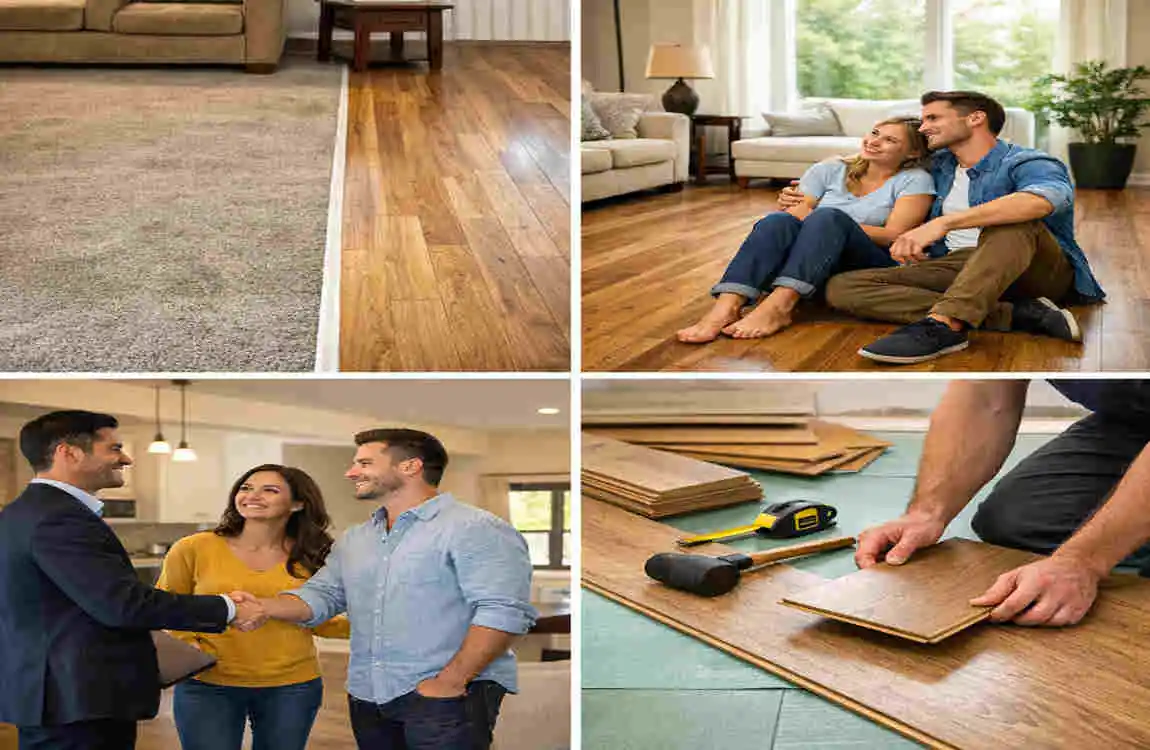
For many homeowners, the answer is yes.
New flooring can make your home look fresh and feel more comfortable. It can also improve durability and increase buyer appeal if you plan to sell later.
If your old floors are damaged, outdated, or hard to maintain, replacing them can be a smart investment.
Frequently Asked Questions
How much does it cost to floor a whole house?
Most homeowners spend between $6,000 and $20,000+, depending on size and material.
What is the cheapest flooring option for an entire home?
Laminate and vinyl plank are usually the most affordable whole-house options.
How much does flooring installation cost per square foot?
Labor usually costs around $1.50 to $6 per square foot, depending on the flooring type.
Is vinyl plank flooring cheaper than hardwood?
Yes, vinyl plank flooring costs are usually much lower than those of hardwood flooring.
Does replacing flooring increase home value?
Yes, new flooring can improve appearance and make a home more appealing to buyers.
How long does it take to install flooring throughout a house?
It can take a few days to a couple of weeks, depending on the home size and material.
| Factor | Details |
|---|---|
| Average Cost | $3,000–$15,000+ for a typical 1,000–2,000 sq. ft. home, depending on material and labor. |
| Cost Per Square Foot | Typically $3–$15 per sq. ft., including materials and installation. |
| Budget Flooring | Vinyl, laminate, and carpet cost around $2–$7 per sq. ft. installed. |
| Mid-Range Flooring | Engineered hardwood, bamboo, and quality tile range from $6–$12 per sq. ft. installed. |
| Premium Flooring | Solid hardwood and natural stone cost $10–$25+ per sq. ft. installed. |
| Installation Labor | Usually $1–$8 per sq. ft., depending on flooring type and project complexity. |
| Extra Costs | Old flooring removal, subfloor repairs, underlayment, trim, and furniture moving can increase the total cost. |