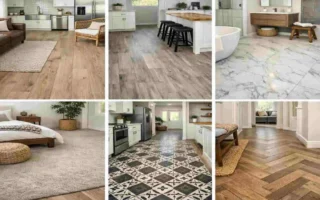
When people talk about the floor solid, they usually mean a floor that feels firm, stable, and reliable underfoot. It does not bounce too much, squeak constantly, or shift when you walk across it.
A solid floor matters more than many homeowners realize. It supports your furniture, protects your comfort, and helps your home feel safe and well-built. If the floor is weak, even beautiful flooring can feel disappointing.
Understanding the Floor Solid and Why It Matters
What Makes a Floor Solid?
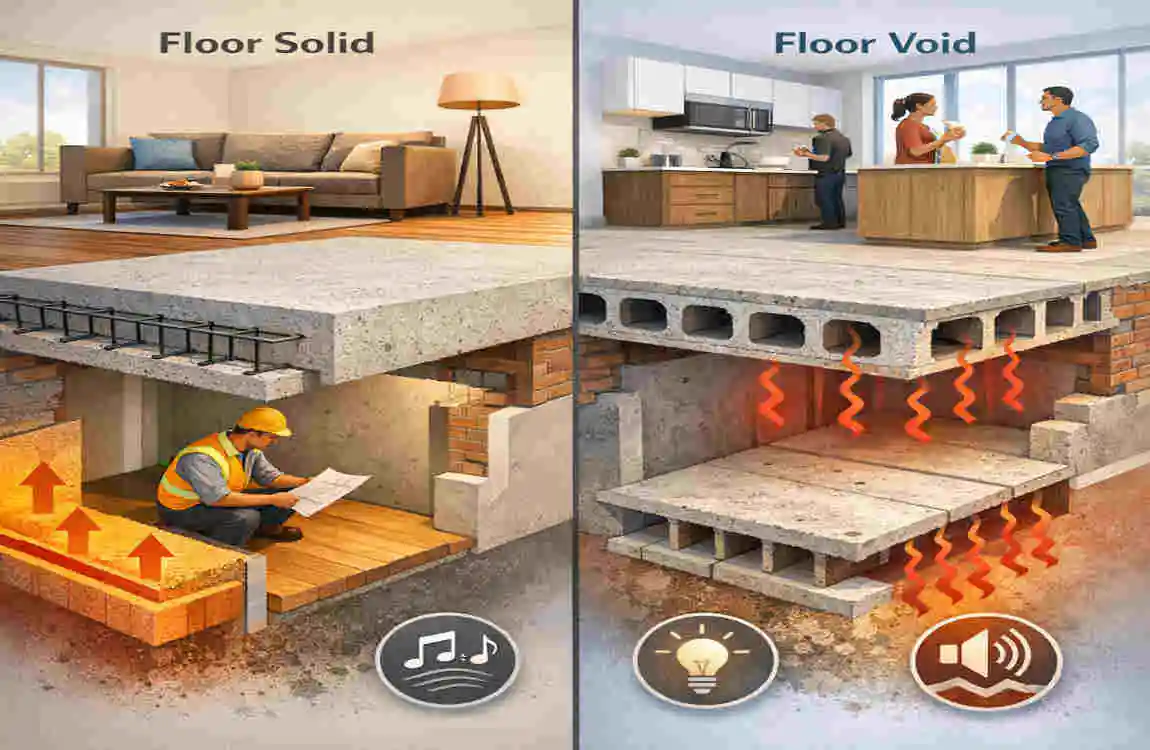
A floor feels solid when it has strong support underneath and a stable surface on top. That means the floor is not just about the visible material, like wood or tile.
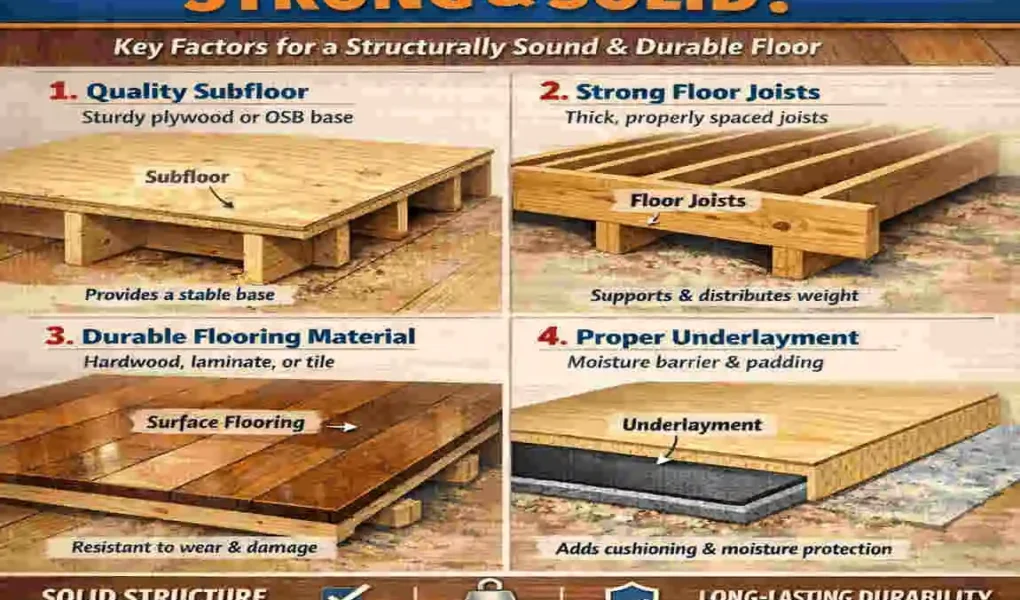
A truly strong floor depends on three main things:
- A good subfloor
- Strong structural support below it
- Proper installation of the finished flooring
A floor can look fine and still feel weak if any of these parts are damaged or poorly built. So, floor strength is really a system, not just one material.
Why Floor Strength Is Important
A strong floor gives you more than just comfort. It also improves daily life in simple but important ways.
Here is why it matters:
- Safety: A stable floor reduces the risk of trips and slips.
- Less noise: Strong floors usually squeak less and move less.
- Better support: Heavy furniture and appliances sit more securely.
- Longer life: Flooring lasts longer when the base is strong.
- More comfort: Walking feels better when the floor does not bounce or flex too much.
If your floor feels weak, it can affect the whole room. That is why durable flooring starts with a solid foundation.
Signs of a Solid Floor
A good floor usually gives you clear signs. You do not need special tools to notice many of them.
Look for:
- Very little movement when you walk
- No major sagging
- A flat and even feel
- Flooring that stays tightly in place
- No widespread cracks, gaps, or loose areas
If your floor feels firm and steady, that is a good sign. If it feels soft, uneven, or noisy, something below the surface may need attention.
Types of Flooring That Can Provide a Solid Foundation
Solid Hardwood Flooring
Solid hardwood is made from one piece of real wood. It is known for its natural look and long life.
It can feel very strong when installed correctly. Many homeowners like it because it can be refinished and used for many years.
Still, it is not perfect for every room. Hardwood does not handle moisture well, so it is usually better for living rooms, bedrooms, and dining areas than for bathrooms or damp spaces.
Engineered Wood Flooring
Engineered wood has a real wood top layer with a more stable core underneath. This makes it less likely to move in response to changes in humidity.
For many homes, it is a smart choice because it gives a warm wood look with better stability than solid hardwood. It often works better in places where temperature and moisture change more often.
If you want a wood floor that feels strong but needs a little more moisture resistance, engineered wood is often a practical option.
Tile and Stone Flooring
Tile and stone can feel extremely solid underfoot. When installed on a properly prepared subfloor, they create a firm and durable surface.
They are popular in kitchens, bathrooms, and high-traffic areas because they handle wear well and are easy to clean.
But tile is only as good as what is underneath it. If the subfloor moves or the installation is poor, tiles can crack or loosen. So, even very strong flooring materials still need a strong base.
Concrete Flooring
Concrete is one of the strongest flooring bases you can have. It is durable, low-maintenance, and often used in basements or modern-style homes.
It can be finished in different ways, such as polished, stained, or coated for a smoother look. That gives you both strength and style.
The main concern with concrete is comfort. It can feel hard and cold, so many homeowners add rugs or choose surface treatments to soften the look and feel.
Luxury Vinyl and Laminate Flooring
Luxury vinyl and laminate may not feel as heavy as tile or hardwood, but they can still provide a very stable walking surface.
These materials are often budget-friendly and work well in busy homes. They are also easier to install than many harder flooring types.
Their strength depends largely on the underlayment and the subfloor beneath them. A smooth, well-prepared base makes a huge difference in how solid they feel.
What Makes a Floor Strong and Stable?
The Role of the Subfloor
The subfloor is the layer beneath your finished floor. It is one of the most important parts of the whole system.
Common subfloor materials include plywood and OSB. If these materials are damaged, loose, or uneven, the top floor may feel weak.
A poor subfloor can cause squeaks, dips, and movement. Even the best flooring on top will struggle if the base is not solid.
Joists and Structural Support
Floor joists are the structural pieces under the subfloor. Think of them as the bones of the floor.
They help carry weight and keep the surface stable. If joists are too far apart, damaged, or weakened, the floor may bounce or sag.
Sometimes flooring problems show up on the surface, but the real issue lies beneath. That is why strong flooring depends on the structure underneath.
Proper Installation
Even good materials can fail if they are installed badly. Proper installation matters for every type of floor.
Good installation includes:
- Careful measuring
- Preparing the subfloor
- Letting materials adjust when needed
- Using the right fasteners, glue, grout, or locking method
When installation is done right, the floor usually feels more stable and lasts longer. When it is rushed, problems often appear sooner.
Moisture and Humidity Control
Moisture can damage almost any flooring system. Wood may warp, subfloors may swell, and materials may separate.
Too much moisture can also lead to mold, soft spots, and long-term weakness. That is why bathrooms, kitchens, basements, and entryways need special attention.
Good ventilation, leak control, and moisture testing can help protect your floor. This is one of the easiest ways to preserve strong flooring over time.
How to Choose the Right Solid Flooring for Your Home
Consider the Room
Different rooms need different types of flooring. The best choice in one room may not work well in another.
For example:
- Kitchen: Tile, vinyl, or engineered wood
- Bathroom: Tile or moisture-resistant vinyl
- Bedroom: Hardwood, laminate, or engineered wood
- Living room: Hardwood, engineered wood, or laminate
- Basement: Concrete or moisture-tolerant flooring
- Entryway: Durable tile or vinyl
The room should guide your choice more than trends do.
Consider Durability and Traffic
If your home has kids, pets, or lots of visitors, you need flooring that can handle daily use. Busy homes need durable floor materials that resist wear, scratches, and moisture better than softer options.
Think about how often the room gets used. A light-use bedroom has different needs than a busy hallway or kitchen.
Consider Maintenance Requirements
Some floors are easier to care for than others. If you want low stress, choose a surface that is simple to clean.
Harder materials like tile and concrete usually need less daily worry. Wood floors may need more care, but they can also bring warmth and long-term value.
The right floor is not just about looks. It should also fit your routine.
Consider Budget and Installation Costs
The price of a floor is not just the material itself. You also need to think about underlayment, prep work, removal of old flooring, and labor.
A lower-cost floor may still become expensive if the subfloor needs repairs. A more expensive floor may be worth it if it lasts longer and performs better.
Compare Flooring Options Before Buying
Flooring TypeDurabilityMoisture ResistanceMaintenanceBest Use
Solid Hardwood High Low–Moderate Moderate Living areas
Engineered Wood High Moderate Moderate Most living spaces
Tile Very High High Low–Moderate Kitchens and bathrooms
Concrete Very High High Low Basements and modern spaces
Luxury Vinyl Moderate–High High Low Busy households
Laminate Moderate–High Moderate Low Bedrooms and living areas
How to Improve a Floor That Does Not Feel Solid
Check for Uneven Areas
Start by looking for dips, raised spots, or soft areas. These signs usually tell you something is not right underneath.
An uneven base can make even new flooring feel poor. Fixing the surface alone may not solve the real problem.
Inspect the Subfloor
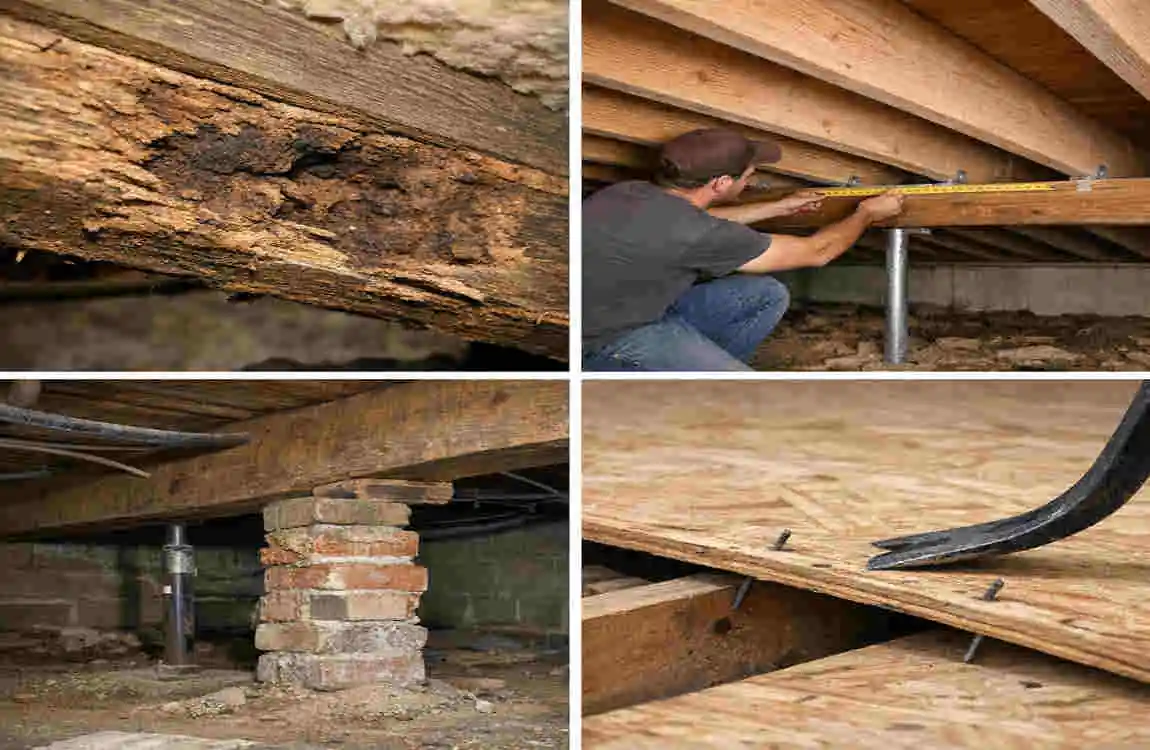
If you can access the subfloor, look for water stains, loose panels, rot, or worn-out sections. These are common causes of weak flooring.
If the damage is serious, the affected area may need repair or replacement before new flooring is installed.
Address Squeaks and Movement
Squeaks often happen when parts of the floor rub against each other or move loosely. Loose fasteners, gaps, and weak support are common reasons.
A few squeaks may not mean major damage, but repeated movement should be checked. If the problem keeps growing, a professional inspection may be a smart next step.
Improve Support When Needed
Sometimes the floor feels weak because the joists or structure below need help. That kind of issue should not be ignored.
Structural repairs are not simple cosmetic fixes. They should be handled carefully by someone qualified to assess the problem.
Use the Right Underlayment
Underlayment sits between the subfloor and the finished floor. It can help with sound, comfort, moisture control, and smoothness.
The wrong underlayment can cause problems instead of solving them. So always match it to the flooring type and room conditions.
Maintaining a Solid and Durable Floor for Years
Follow the Correct Cleaning Method
Use the cleaning method that matches your flooring material. Too much water can hurt wood, laminate, and some other surfaces.
Wipe spills quickly and avoid harsh cleaning habits. Good daily care helps protect the floor’s strength and look.
Protect Floors From Heavy Furniture
Heavy furniture can damage flooring or create pressure points. Use pads under legs and avoid dragging items across the room.
In busy spaces, protective mats can also help reduce wear.
Control Moisture
Moisture is one of the biggest threats to flooring. Check for plumbing leaks, damp spots, and trouble near sinks, doors, and bathrooms.
Keeping indoor humidity at a steady level also helps protect wood and subfloors.
Repair Small Problems Early
Small issues often become large ones if you wait too long. Loose boards, cracked tiles, soft spots, and open seams should be fixed early.
This saves money and helps the floor stay solid longer.
Schedule Periodic Inspections
It helps to check your floors now and then, especially under rugs and around furniture. Look for gaps, stains, movement, or strange sounds.
If you notice bigger structural warning signs, bring in a professional before the issue spreads.
Common Problems That Can Make a Floor Feel Less Solid
Floor Squeaking
Squeaking usually comes from loose parts, friction, or movement below the floor. Sometimes it is minor, but repeated squeaking can point to a bigger issue.
Sagging Floors
Damaged joists, moisture, or foundation-related problems can cause sagging. A floor that visibly dips should be checked right away.
Cracked Tiles
Cracked tile often indicates that the floor beneath it is moving or weak. Poor support and moisture are common causes.
Warped or Buckled Flooring
When flooring warps or buckles, moisture is often involved; it can also happen when materials expand and contract without enough room.
Soft or Bouncy Areas
Soft spots usually indicate that the subfloor or the structure underneath has a problem. These areas should not be ignored, as they may worsen over time.
FAQ About the Floor Solid
What does “the floor solid” mean?
It generally refers to a floor that feels firm, stable, and well-supported. It depends on both the visible flooring and the structure underneath.
What type of flooring is the most solid?
Tile, stone, concrete, and properly installed hardwood are often very solid choices. Still, the subfloor and installation matter just as much.
How can I tell if my floor is structurally solid?
Look for minimal movement, no major sagging, a stable surface, and no soft spots. If you suspect a deeper issue, get a professional opinion.
Why does my floor feel bouncy?
A bouncy floor may indicate weak joists, loose subfloor panels, or inadequate support beneath the surface.
Can a new floor make my existing floor feel more solid?
Sometimes it can improve the surface feel, but it will not fix every structural issue beneath the surface.
Is solid hardwood better than engineered flooring?
Not always. Hardwood, engineered wood, and other flooring types each have strengths. The best one depends on the room, moisture, and your budget.
How long can a solid floor last?
That depends on the material, installation, traffic, and maintenance. Some floors last for many decades when properly cared for.
When should I call a flooring professional?
Call one if you notice sagging, major movement, water damage, widespread cracking, or signs of structural trouble.
| Floor Type | Key Strength | Best For |
|---|---|---|
| Solid Hardwood | Durable and long-lasting | Living rooms, bedrooms |
| Tile Flooring | Hard, water-resistant surface | Kitchens, bathrooms |
| Laminate Flooring | Affordable and scratch-resistant | Busy households |
| Vinyl Flooring | Water-resistant and easy to maintain | Kitchens, bathrooms, basements |
| Stone Flooring | Extremely strong and durable | Entryways, kitchens, luxury spaces |