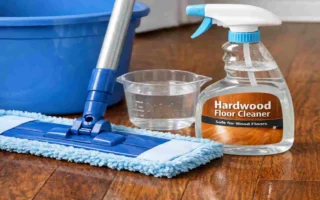
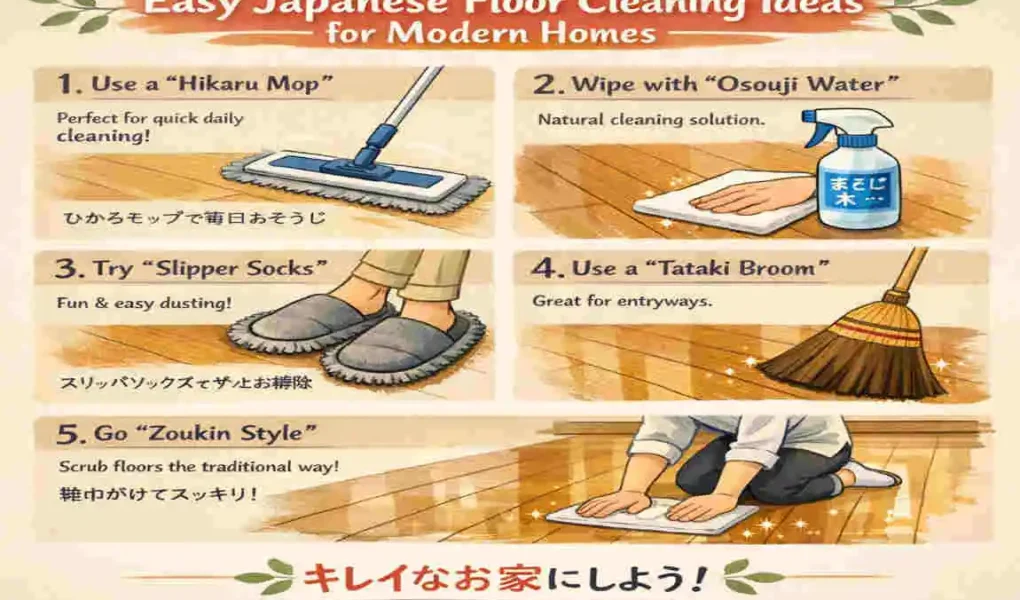
Keeping floors clean can feel easier when you follow a simple Japanese-inspired routine. The main idea is not to spend hours cleaning every day. Instead, it is about stopping dirt early, cleaning often, and using the right tools.
If you are looking for the best Japanese floor-cleaning approach, the answer is usually a mix of daily dust removal, light moisture cleaning, and quick spot cleaning. This method works well in modern homes because it keeps floors looking fresh without making cleaning feel heavy or complicated.
Japanese Floor Cleaning Philosophy for Modern Homes
Keep Dirt Outside the Home
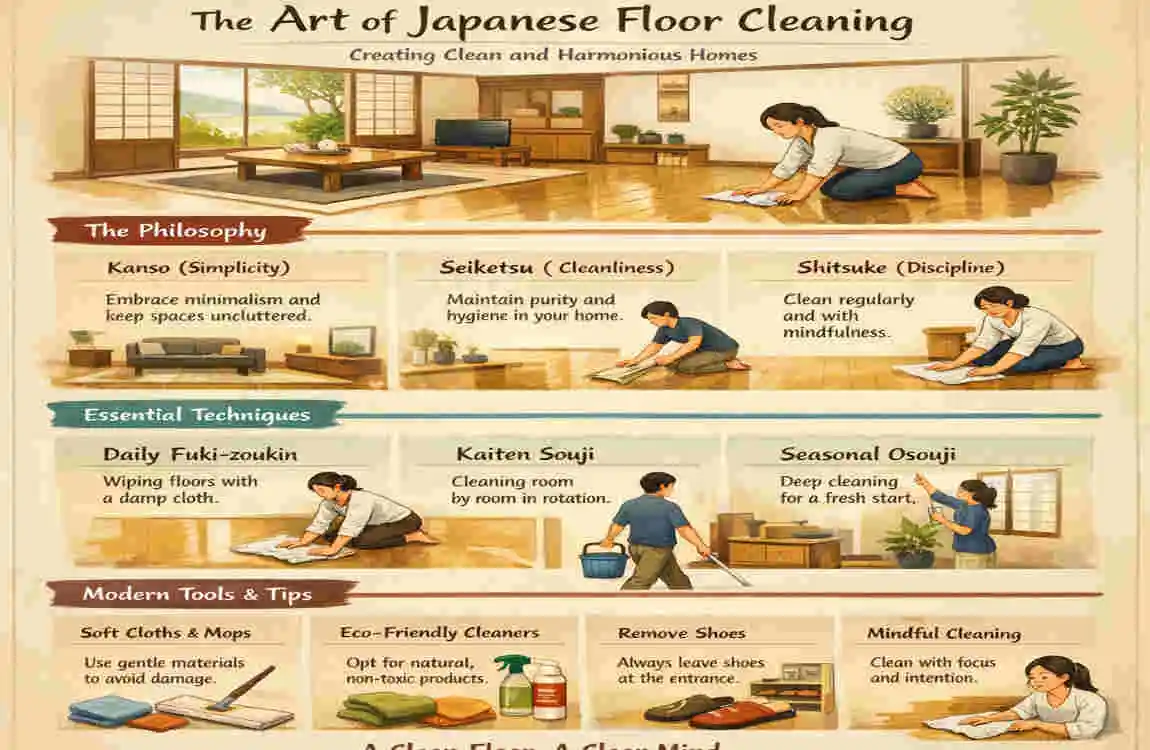
One of the most useful Japanese cleaning habits is keeping outdoor dirt out of the house. Many homes use a shoe-free rule inside, which helps stop dust, mud, and small stones from spreading across the floors.
An entryway mat also helps a lot. It gives dirt a place to stay before it moves deeper into the home. This simple habit can save you time later.
Clean Regularly Rather Than Occasionally
Japanese-style cleaning usually focuses on small daily efforts rather than rare deep cleanings. This is a smart way to keep floors in good shape.
When you clean a little each day, dust and grime do not build up as much. That means you avoid the hard work of scrubbing stubborn dirt later.
Keep Cleaning Simple
Another key idea is simplicity. You do not need many products or complicated methods. A broom, a microfiber mop, a vacuum, and a floor-safe cleaner are often enough.
This approach saves time and also makes cleaning feel more manageable.
Best Japanese Floor Cleaning Idea: Daily Cleaning Routine
Sweep or Dust First
Start by removing loose dirt, hair, crumbs, and dust. This step matters because mopping over dirt can spread it around rather than remove it.
Work from one side of the room to the other so you do not miss spots. This keeps the routine smooth and easy to follow.
Use a Floor Mop
After dusting, use a lightly damp mop on floors that can handle moisture. The goal is to clean the surface without soaking it.
Too much water can damage certain floor types, especially wood and laminate. So keep the mop damp, not wet.
Clean High-Traffic Areas More Often
Some areas get dirty faster than others. These include:
- Entryways
- Kitchens
- Hallways
- Living rooms
You can clean these areas daily or every other day, depending on how busy your home is. This keeps the whole house looking neat.
Finish With Spot Cleaning
If you see a spill, clean it right away. Waiting too long can let stains settle in and become harder to remove.
A quick wipe now can save a lot of effort later.
Japanese-Inspired Floor Cleaning Tools and Supplies
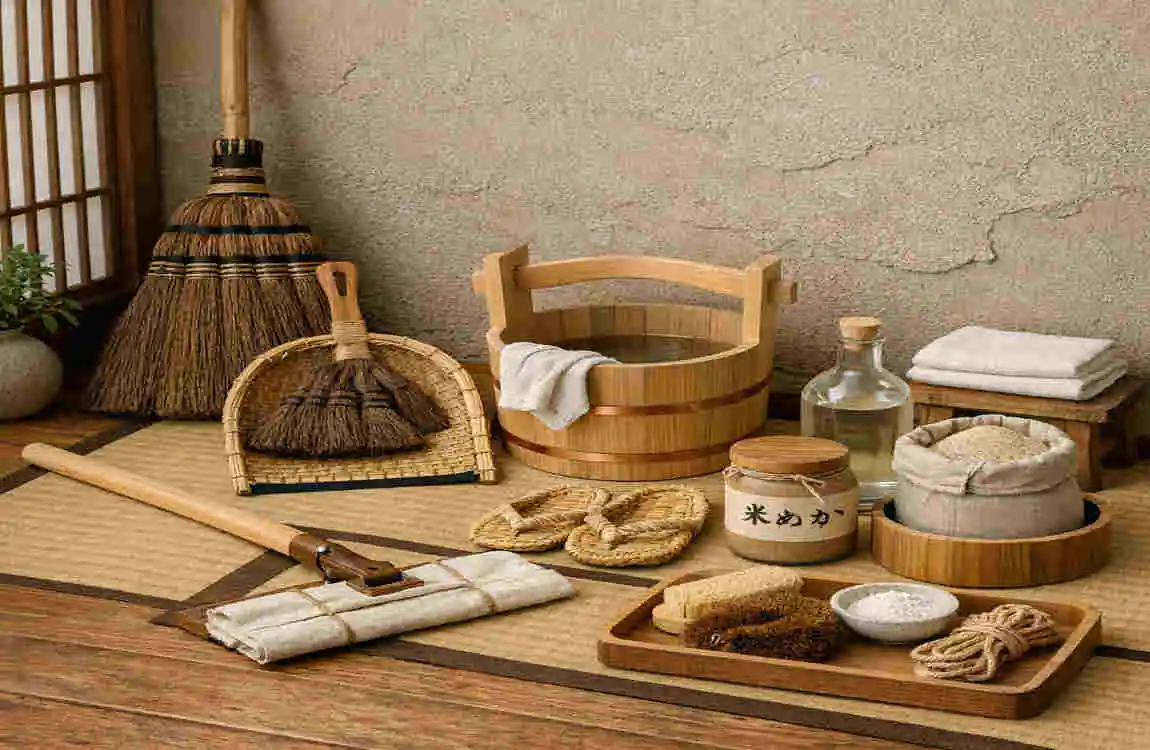
Soft-Bristle Broom or Dust Mop
A soft broom or dust mop is gentle and works well on many floor types. It helps remove dirt without scratching the surface.
This is especially helpful for delicate floors that do not handle rough tools well.
Microfiber Cloths and Mop Heads
Microfiber tools are popular because they trap dust well and use less water. They are also reusable, which makes them practical for everyday cleaning.
Just wash them regularly so they stay effective and do not spread dirt back onto the floor.
Vacuum Cleaner
A vacuum is helpful when sweeping is not enough. It is especially useful if you have pets, rugs, or small particles that are hard to collect by hand.
Choose a vacuum that works well for your floor type so it cleans without causing damage.
Mild Floor-Safe Cleaner
Always match the cleaner to the flooring material. A gentle cleaner is usually the safest choice.
Harsh chemicals are often unnecessary and may harm the floor over time. Simple is usually better.
How to Clean Different Types of Japanese-Style Floors
Wood and Hardwood Floors
Wood floors need gentle care. First, remove dust with a broom, a dust mop, or a vacuum designed for hard floors.
Then use only a slightly damp mop if needed. Never leave standing water on wood, because moisture can cause damage.
Tatami Mats
Tatami needs careful cleaning. Use a soft dust remover and clean lightly in the direction of the mat surface.
Keep tatami dry and well ventilated. Too much moisture can weaken it and affect its shape.
Tile and Stone Floors
Tile and stone floors can handle more regular cleaning. Sweep or vacuum first, then mop with a suitable cleaner.
Pay attention to grout and textured areas, because dirt often collects there.
Laminate and Vinyl Floors
Laminate and vinyl floors should also be cleaned with minimal moisture. A damp mop and a floor-safe product usually work best.
Avoid soaking these floors, as too much water can cause problems later.
Common Floor Cleaning Mistakes to Avoid
It is easy to make small mistakes that reduce cleaning results. Here are the most common ones to watch out for:
- Using too much water
- Using rough brushes or harsh tools
- Applying the wrong chemical
- Ignoring corners and edges
- Leaving spills for later
- Using a dirty mop
- Mixing cleaning chemicals
- Forgetting to air out the room
A clean floor depends on both the method and the tools.
How to Create an Easy Japanese Floor Cleaning Schedule
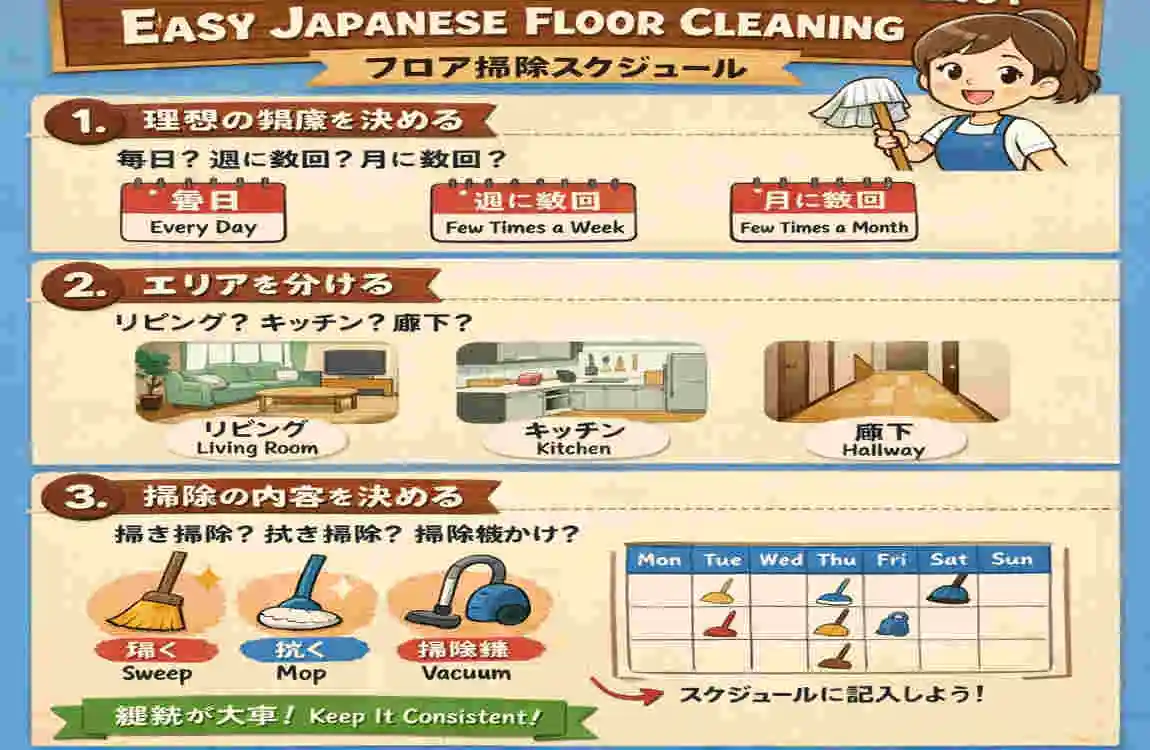
A 5–10 Minute Daily Routine
A short routine is often enough to keep floors in good shape. You can:
- Remove clutter
- Sweep or vacuum
- Spot-clean spills
- Wipe busy areas
This small habit keeps the home feeling fresh without taking much time.
Weekly Floor Cleaning
Once a week, do a slightly deeper clean. Move light furniture if needed, clean the corners, and mop the floor more carefully.
This is also a good time to wash reusable tools.
Monthly Deep Cleaning
Each month, check under furniture and inspect hard-to-reach areas. Look for stains, scratches, or moisture problems.
If something seems off, adjust your cleaning routine early.
Make Cleaning Part of Your Home Routine
Keep your cleaning tools in an easy-to-reach place. When supplies are visible and ready, it is easier to stay consistent.
You can also spread tasks across the week instead of doing everything at once.
FAQ: Japanese Floor Cleaning Questions
What is the best Japanese floor cleaning idea for modern homes?
The best Japanese floor-cleaning idea is to remove dust regularly, use minimal moisture, and clean up spills right away. This keeps floors clean without heavy effort.
How often do Japanese people clean their floors?
It depends on the home and flooring type, but many people prefer frequent light cleaning over infrequent deep cleaning.
What do Japanese people use to clean floors?
Common tools include brooms, dusters, vacuum cleaners, microfiber mops, and floor-safe cleaners.
Can you use water to clean Japanese-style wood floors?
Yes, but only a small amount. Wood floors should never be soaked.
How do you clean tatami floors?
Use gentle dust removal and clean carefully in the direction of the surface. Avoid excess moisture.
Is vinegar good for cleaning Japanese floors?
Not always. Some floors may react badly to vinegar, so it is safer to use a cleaner made for that floor type.
How can I keep floors clean for longer?
Remove shoes indoors, use entry mats, clean spills quickly, and follow a regular schedule.
| Cleaning Idea | Simple Method | Main Benefit |
|---|---|---|
| Dry Sweeping | Use a soft broom or microfiber mop | Removes dust and dirt gently |
| Microfiber Mopping | Lightly dampen a microfiber mop | Cleans without excess water |
| Natural Cleaner | Use diluted mild soap when suitable | Simple and gentle cleaning |
| Quick Daily Cleaning | Wipe high-traffic areas regularly | Prevents dirt buildup |
| Spot Cleaning | Clean spills immediately | Helps prevent stains |
| Avoid Excess Water | Keep wooden floors only slightly damp | Protects flooring from moisture |