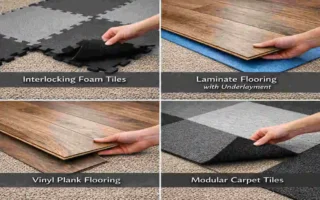
Vinyl flooring is a popular choice in many homes because it looks good, feels comfortable, and is easy to care for. Still, easy to care for does not mean no care at all. If you clean vinyl the wrong way, the surface can lose its shine, get scratched, or wear out faster than expected.
So, what’s the best way to clean vinyl floors? The short answer is simple: clean them gently, regularly, and with the right products. That means removing dust often, mopping with mild soap and warm water, and avoiding harsh cleaners that can damage the protective layer.
Understanding Vinyl Flooring
What Is Vinyl Flooring?
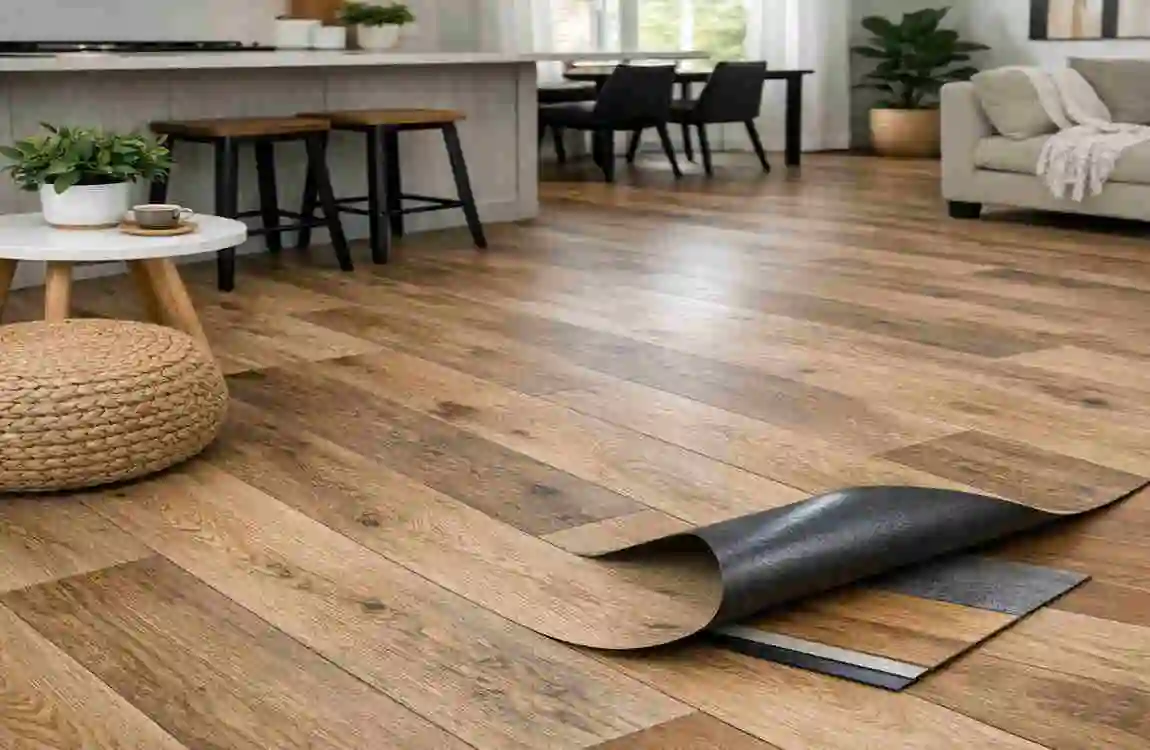
Vinyl flooring is made from several layers of synthetic material, usually including a strong backing layer, a printed design layer, and a protective wear layer on top. That top layer is very important because it helps protect the floor from scratches, stains, and daily foot traffic.
Types of Vinyl Floors
There are a few common types of vinyl flooring:
- Sheet vinyl: sold in large rolls and often used in kitchens or bathrooms
- Vinyl tiles: small square pieces that are easy to replace
- Luxury Vinyl Plank (LVP): designed to look like wood and used in many modern homes
Why Cleaning Method Matters
Vinyl floors are durable, but they are not indestructible. The wrong cleaning method can make them look dull or even damage the surface. Too much water can also get into seams and cause problems over time. That is why the cleaning method matters just as much as the cleaning product.
What’s the Best Way to Clean Vinyl Floors?
Daily Cleaning Routine
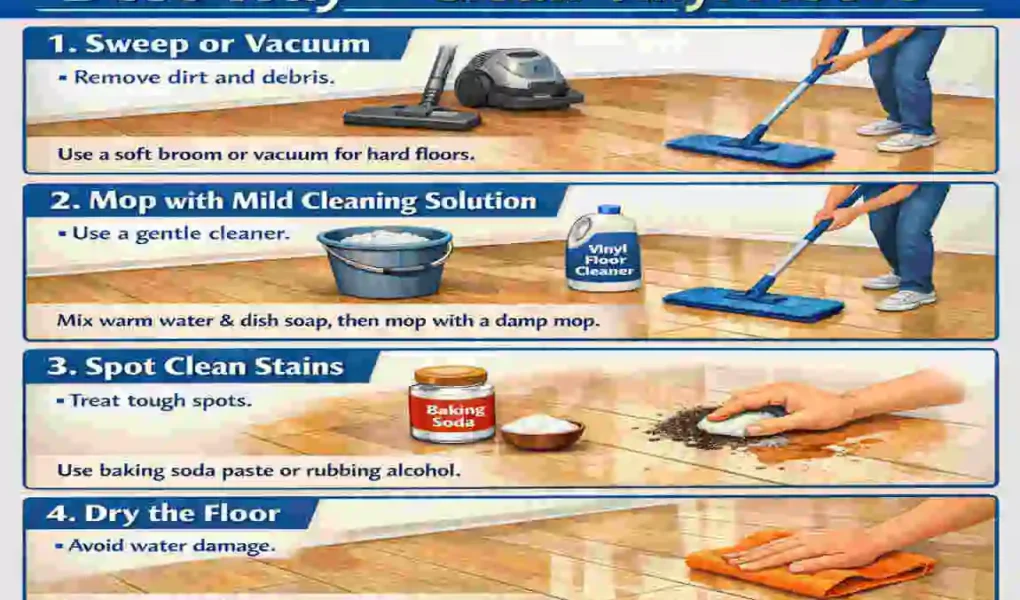
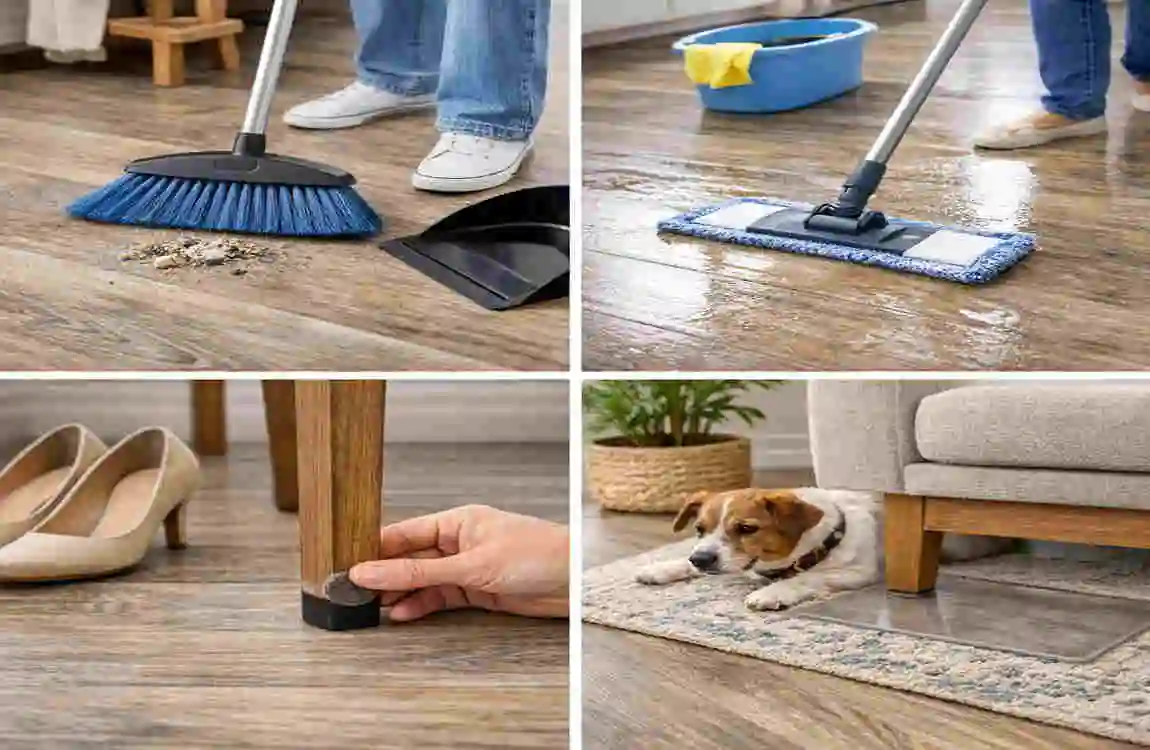
The best daily habit is dry cleaning first. Sweep the floor or use a vacuum made for hard floors to remove dust, crumbs, and grit. These small particles may seem harmless, but they can act like sandpaper, creating tiny scratches.
A soft broom works well, and a vacuum without a beater bar is even better for many vinyl floors.
Weekly Deep Cleaning
For weekly cleaning, use a damp microfiber mop with warm water and a little mild soap. You do not need a strong cleaner to get good results. In fact, strong chemicals can do more harm than good.
A pH-neutral cleaner is one of the safest choices because it cleans well without being too harsh. If you use too much soap, however, it can leave behind residue, so a little goes a long way.
Recommended Cleaning Solution
A simple homemade mix often works best:
- Warm water
- A few drops of mild dish soap
This solution is gentle and effective for most routine cleaning. Avoid bleach, ammonia, and strong acidic cleaners unless the floor manufacturer specifically says they are safe.
Best Cleaning Tools
The right tools make cleaning easier and safer:
- Microfiber mop
- Soft broom
- Vacuum without a beater bar
- Dry microfiber cloth for finishing
Microfiber is a great choice because it lifts dirt instead of pushing it around.
What to Avoid
Some cleaning habits can damage vinyl floors:
- Abrasive scrubbers
- Steam mops on many vinyl types
- Excess water
- Harsh chemical cleaners
These may seem helpful at first, but they can weaken the finish or leave the floor looking cloudy.
Step-by-Step Cleaning Method
Remove Loose Dirt
Start by sweeping or vacuuming the floor. This removes grit, making the mopping step more effective. If you skip this step, you may spread dirt around instead of lifting it away.
Prepare the Cleaning Solution
Mix warm water with a small amount of mild cleaner. Keep the solution simple. A strong mix is unnecessary and may leave residue.
Mop Correctly
Dip your microfiber mop into the solution, then wring it out well. The mop should be damp, not wet. Clean the floor in sections and rinse the mop if it starts looking dirty.
Dry the Floor
After mopping, use a dry microfiber cloth to remove leftover moisture. This helps prevent streaks and keeps the floor looking polished.
Spot Clean Stains
For spills, clean them right away. For stubborn marks, make a small paste with baking soda and water, then gently rub the spot. Wipe it clean once the stain lifts.
Best Practices to Maintain Vinyl Floors
Use Rugs and Mats
Place mats at entryways to catch dirt before it reaches the floor. This simple step can make a big difference.
Protect Furniture Legs
Add felt pads under chair and table legs. This helps prevent scratches when furniture moves.
Avoid Dragging Heavy Items
If you need to move furniture, lift it rather than drag it. Dragging can leave marks or scuffs.
Control Moisture
Wipe up standing water quickly, especially near sinks or doors. Vinyl handles moisture better than many floors, but too much water is still a problem.
Common Mistakes to Avoid
Many people damage vinyl floors without realising it. The most common mistakes are:
- Using harsh chemicals
- Over-wetting the floor
- Scrubbing with rough tools
- Ignoring spills for too long
- Using wax-based products on the wrong type of vinyl
If you avoid these habits, your floor will stay cleaner and last longer.
FAQs
Q: What’s the best way to clean vinyl floors daily?
Use a soft broom or vacuum followed by a damp microfiber mop with mild soap and water.
Q: Can I use vinegar on vinyl floors?
Yes, but only in diluted form. Overuse may dull the protective layer over time.
Q: Is steam mopping safe for vinyl floors?
It depends on the type, but generally steam mops are not recommended for vinyl flooring.
Q: What cleaning products should I avoid?
Avoid bleach, ammonia, abrasive powders, and wax-based cleaners.
Q: How often should vinyl floors be cleaned?
Sweep daily and mop once or twice a week depending on foot traffic.
| Method | How to Do It | Frequency | |
|---|---|---|---|
| Dry Cleaning | Sweep or vacuum to remove dust, dirt, and debris | Daily | |
| Light Mopping | Use warm water with a mild floor cleaner or dish soap | 2–3 times a week | |
| Deep Cleaning | Mop with vinyl-safe cleaner (avoid harsh chemicals like bleach or ammonia) | Weekly or monthly | |
| Stain Removal | Use baking soda paste or diluted vinegar for tough spots | As needed | |
| Protection | Use doormats and furniture pads to prevent scratches | Always |