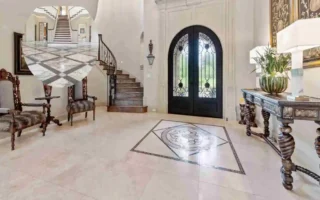

Golden floor tiles can instantly give a room a warm, elegant, and luxurious appearance. Whether you prefer a modern home, a classic interior, or a glamorous living space, golden flooring can become an attractive focal point without requiring an entire room makeover.
Gold flooring does not always mean bright, shiny surfaces. Today, you can find soft champagne gold, beige-gold, marble-effect, metallic, matte, and patterned tiles that work with many decorating styles.
Golden tiles can be used in living rooms, kitchens, bathrooms, bedrooms, dining areas, and entryways. The key is choosing the right shade, finish, size, and surrounding colors.
What Are Golden Tiles for the Floor?
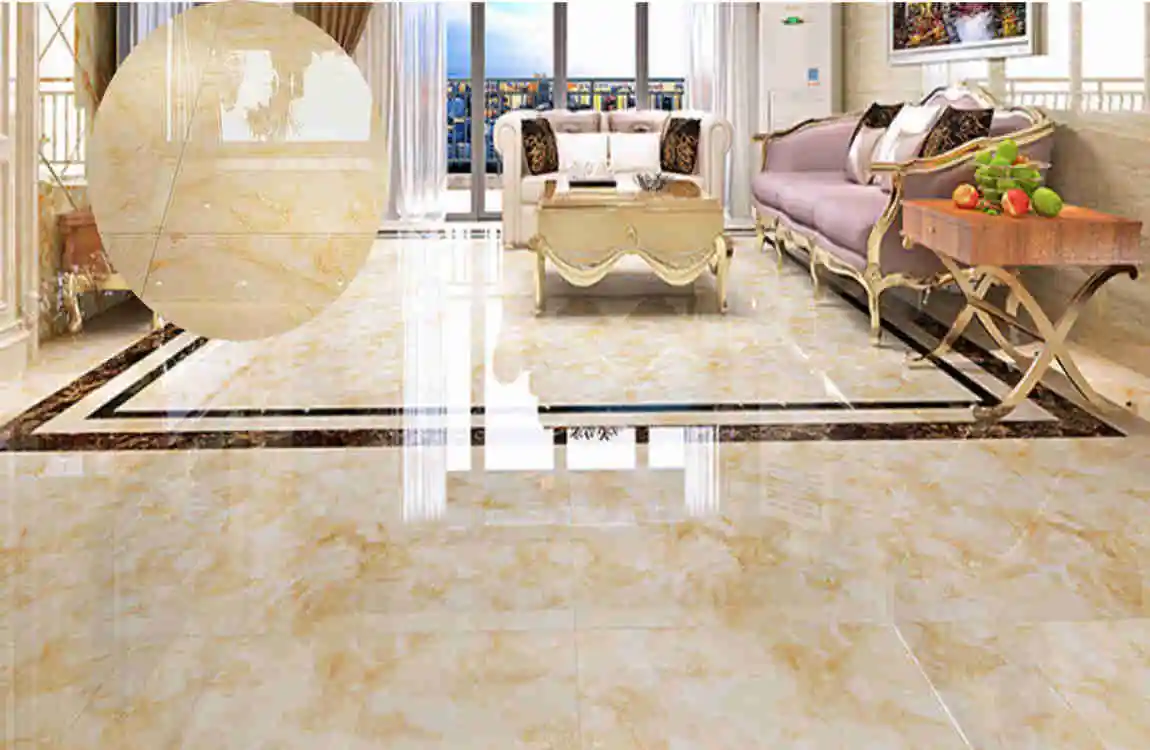
Golden floor tiles are tiles designed with gold, warm yellow, champagne, beige-gold, or metallic tones. Some have a consistent golden color, while others use gold-colored patterns, veins, or subtle highlights.
These tiles can be made from different materials, including porcelain, ceramic, natural stone, and marble-look surfaces. Porcelain is particularly useful in busy areas because it can provide a durable, practical flooring surface when the right product is selected.
The appearance of gold can also vary considerably. A matte beige-gold tile creates a quiet, sophisticated effect, while a highly reflective metallic tile makes a much stronger statement.
Why Are Golden Floor Tiles Popular?
Golden flooring remains popular because it combines warmth and luxury. Unlike very cool gray flooring, gold tones can make a room feel more inviting.
They also work well with neutral colors. White, cream, beige, brown, black, gray, and some shades of green can all complement golden flooring.
Another advantage is variety. You can choose simple tiles for a minimalist room or decorative patterns for a more traditional interior.
Popular Golden Tile Designs for Floors
Solid Golden Tiles
Solid golden tiles create a bold and consistent appearance. They work best when the rest of the room has a relatively simple design.
If your floor already attracts attention, consider using neutral walls and uncomplicated furniture. This prevents the space from becoming visually overwhelming.
Gold and White Floor Tiles
Gold and white floor tiles create a bright and elegant combination. White keeps the room fresh, while gold introduces warmth and character.
This combination works especially well in bathrooms, kitchens, foyers, and contemporary living spaces.
Black and Gold Floor Tiles
Black and gold create a dramatic luxury look. The dark background makes golden details stand out strongly.
For a balanced result, use black-and-gold flooring with simple furniture. Too many additional patterns can make the room feel busy.
Beige and Gold Tiles
Beige and gold offer a softer alternative to strong metallic flooring. This combination is particularly suitable for bedrooms and living rooms where you want a comfortable atmosphere.
Add natural wood furniture, cream fabrics, and warm lighting to create a welcoming interior.
Marble-Effect Golden Tiles
Marble-effect tiles with gold or warm-colored veins can give a room a premium appearance. They are especially effective in large living rooms, entryways, and open-plan spaces.
The important thing is to avoid competing patterns. Let the floor become the main decorative feature.
Geometric Golden Tiles
Hexagons, diamonds, chevrons, and other geometric patterns can give golden flooring a modern personality.
Use patterned tiles carefully in smaller rooms. A subtle design can add interest without making the space feel crowded.
Modern Trends in Golden Tiles for Floor
Soft Champagne Gold
Champagne gold is one of the easiest shades of gold to introduce into a modern home. It offers warmth without looking excessively bright.
Pair it with white walls, light wood tones, cream furniture, or soft gray accents for a contemporary look.
Gold Marble-Look Flooring
Marble-look flooring combines an elegant stone-inspired appearance with the practical qualities available from modern tile products.
Large-format designs can create a cleaner visual effect because fewer grout lines interrupt the pattern.
Matte Golden Floor Tiles
Matte tiles offer a more understated interpretation of gold. They are a good choice if you want warmth and sophistication without a highly reflective surface.
They can work particularly well with minimalist furniture and natural materials.
Metallic and Glossy Gold Finishes
Glossy golden tiles reflect light and can create a glamorous appearance. However, lighting significantly affects how these tiles look.
Before purchasing, check a sample under both natural and artificial lighting.
Large-Format Golden Tiles
Large tiles can make flooring appear more continuous because they have fewer grout lines. They are often suitable for spacious rooms and open-plan interiors.
However, installation requirements can differ by product, so proper surface preparation remains important.
Textured and Patterned Gold Tiles
Textured tiles add depth through surface detail rather than relying only on color.
Decorative patterns, subtle raised designs, and stone-inspired textures can create a sophisticated floor without requiring excessive decoration elsewhere.
Best Rooms for Golden Floor Tiles
Golden Tiles for Living Rooms
The living room is one of the best places to use golden flooring, as it can become the room’s main visual feature.
Pair gold tones with cream, white, beige, brown, gray, or carefully selected black accents.
An area rug can soften the appearance and visually define the seating area.
Golden Tiles for Kitchens
Golden floor tiles can add warmth to kitchens, particularly when paired with white cabinets or natural wood.
Because kitchens experience spills and heavy traffic, choose a flooring product that suits the room’s practical requirements. Cleaning, durability, moisture resistance, and slip characteristics should matter just as much as appearance.
Golden Tiles for Bathrooms
Gold flooring can give a bathroom a luxurious, spa-like appearance. White fixtures and warm lighting can create a particularly attractive combination.
For bathroom floors, always select a tile designed for appropriate wet-area use and consider its slip characteristics.
Golden Tiles for Bedrooms
Bedrooms usually benefit from softer golden tones. Champagne, beige-gold, and muted designs can create warmth without making the room feel overly formal.
Combine the floor with neutral bedding, soft curtains, wood furniture, and simple decorative accessories.
Golden Tiles for Entryways
An entryway allows you to make a strong first impression. Patterned or marble-effect golden tiles can create an elegant entrance.
Because entryways often experience heavy foot traffic, durability and low maintenance should be key considerations.
How to Choose the Right Golden Tiles for the Floor
Choosing attractive tiles is only the first step. You also need to make sure they work with your room and lifestyle.
Consider the Room Size
Large rooms can usually accommodate stronger patterns and larger tile designs.
For a small room, lighter golden shades and simple patterns may work better. They can create visual continuity without making the floor feel too dominant.
Choose the Right Finish
Golden tiles are commonly available in different finishes.
- Matte: Soft and understated
- Glossy: Bright and reflective
- Satin: Balanced and slightly polished
- Textured: Adds depth and visual interest
Choose according to the room’s purpose rather than appearance alone.
Check Tile Durability
A floor in a busy kitchen or entryway needs to withstand regular use. Consider the tile material and its suitability for the expected traffic.
Porcelain can be a practical choice for many high-use applications, but always check the specific product’s specifications.
Think About Maintenance
Some glossy surfaces may show marks, dust, and footprints more easily. Decorative grout may also require additional cleaning.
Before buying, think about how much time you want to spend maintaining the floor.
Select the Correct Tile Size
Large-format tiles can create a spacious appearance, while smaller tiles can work well for patterns and decorative designs.
Mosaic tiles are useful for detailed designs, borders, and smaller areas.
How to Style a Room With Golden Floor Tiles
Keep the Walls Neutral
Neutral walls allow golden flooring to stand out without competing for attention.
White, cream, Beige, and soft gray are dependable choices. If the floor has a strong pattern, simple walls are usually the better option.
Use Gold as an Accent
You do not need to repeat gold throughout the entire room.
A small amount of gold in a mirror frame, light fixture, cabinet hardware, or decorative object can connect the floor with the rest of the interior.
Add Natural Materials
Natural materials can soften the luxurious appearance of golden flooring.
Consider using:
- Wood furniture
- Linen fabrics
- Rattan or woven accessories
- Natural stone
- Cotton textiles
This combination helps the room feel comfortable rather than overly formal.
Choose Furniture Carefully
Simple furniture often works best with decorative flooring. If your floor has strong marble veining or geometric patterns, avoid filling the room with equally dramatic furniture.
Think of your floor as the foundation, and let the furniture support its appearance.
Golden Tiles vs. Other Luxury Flooring Options
Golden Tiles vs. Marble
Natural marble offers authentic stone variation and a premium appearance, but it can require more maintenance depending on the specific stone and finish.
Golden porcelain or ceramic tiles can provide a similar visual direction while offering different practical characteristics.
Golden Tiles vs. Wood Flooring
Wood creates natural warmth and texture, while golden tiles provide a more decorative and polished appearance.
Tiles can also be useful in areas where moisture resistance and easy cleaning are priorities. The best choice depends on the room and your lifestyle.
Golden Tiles vs. Neutral Porcelain Tiles
Neutral porcelain flooring is easy to coordinate with many interiors. Golden tiles provide greater visual impact.
If you want a subtle foundation, neutral flooring may be a better choice. If you want the floor to become a design feature, golden tiles offer more personality.
Advantages and Disadvantages of Golden Tiles for the Floor
Advantages
- Luxurious appearance that can elevate a room.
- Wide range of designs, from subtle champagne to dramatic metallic styles.
- Flexible color combinations with white, beige, gray, black, and natural tones.
- Strong decorative impact without changing every element in a room.
- Durable tile options are available for different household needs.
Disadvantages
- Strong patterns can overwhelm a small room.
- Glossy finishes may show marks more easily.
- Low-quality designs may look artificial.
- Furniture selection requires careful planning.
- Highly decorative tiles may not suit every design style.
How to Maintain Golden Floor Tiles
Proper maintenance helps preserve the appearance of your flooring.
Sweep or vacuum regularly to remove dust and grit. Clean spills quickly, especially in kitchens and dining areas.
Use a cleaner suitable for your specific tile material and finish. Avoid harsh or abrasive products unless the manufacturer specifically recommends them.
Grout also deserves attention. Even beautiful golden tiles can lose their visual appeal when the grout becomes dirty.
Place suitable mats near high-traffic entrances where practical. This can reduce the amount of dirt carried onto the floor.
How to Keep Golden Tiles Looking New
A simple cleaning routine is usually more effective than waiting until the floor becomes heavily soiled.
Clean small marks regularly, protect the surface from unnecessary scratching, and pay attention to grout lines. Always follow the care instructions provided for your specific tile.
Common Mistakes to Avoid With Golden Floor Tiles
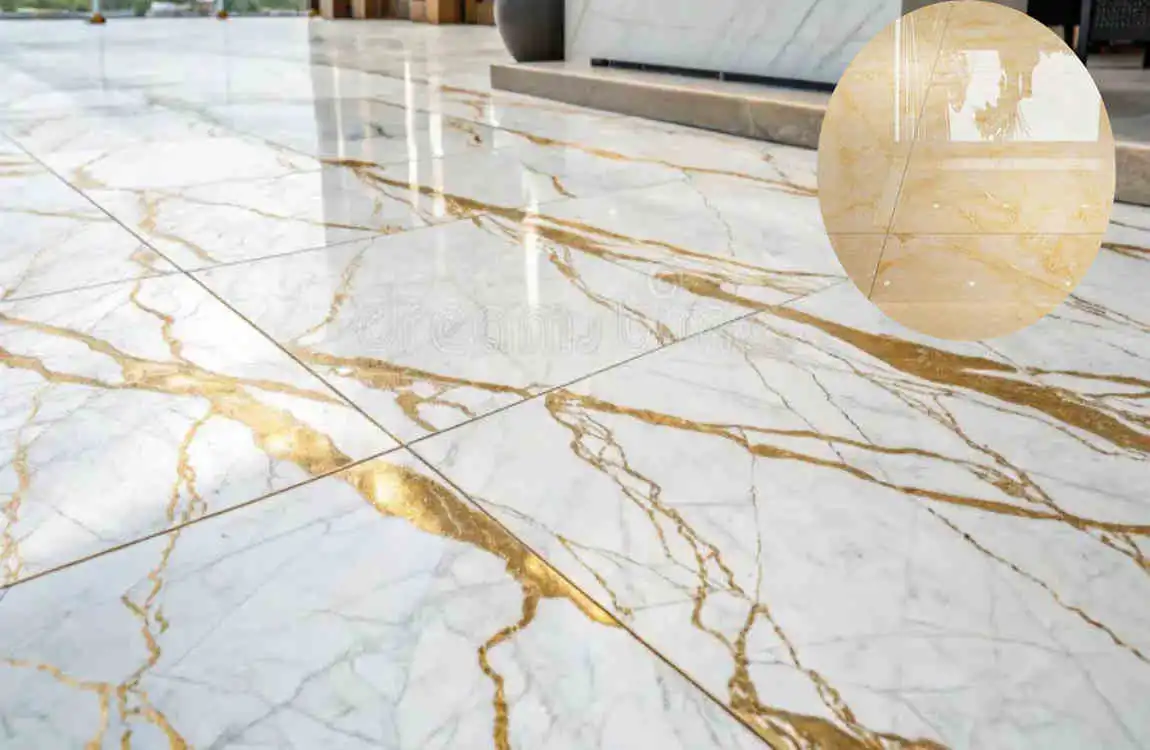
One common mistake is using too much gold. Golden flooring already makes a statement, so adding gold furniture, walls, lighting, and accessories can make the room feel excessive.
Another mistake is choosing tiles without considering natural light. A color that looks subtle in a showroom may appear much stronger in a brightly lit room.
Do not ignore texture and slip characteristics, particularly in bathrooms and kitchens.
You should also check grout color. Beige, cream, light gray, or a closely matching shade can help create a more unified appearance.
Most importantly, always check tile samples in your actual room before making a final purchase.
Golden Floor Tile Ideas for Different Interior Styles
Modern Style
Modern interiors benefit from large-format tiles, soft gold shades, clean lines, and simple furniture.
Keep the walls neutral and use only a few decorative accents.
Luxury Style
For a luxury interior, consider golden, marble-look flooring paired with elegant lighting and sophisticated furniture.
Black, cream, deep brown, and warm metallic accents can add depth.
Traditional Style
Traditional rooms can use decorative golden patterns, warm wood furniture, classic accessories, and richer golden shades.
The goal is to create warmth rather than excessive shine.
Minimalist Style
Minimalist interiors benefit from soft champagne gold, matte finishes, simple patterns, and limited decoration.
A restrained golden floor can add warmth while maintaining the room’s clean character.
Are Golden Tiles for the Floor a Good Choice?
Golden tiles can be an excellent choice if you want your flooring to have personality and visual warmth.
They work particularly well when you balance them with neutral walls, simple furniture, and natural materials. The most successful designs do not try to make every item look luxurious. Instead, they allow one or two elements to create the main visual impact.
Before buying, consider material quality, room size, lighting, durability, maintenance, tile finish, and overall color scheme.
If you want long-term flexibility, softer gold and champagne shades may be easier to live with than extremely bright metallic designs.
Frequently Asked Questions About Golden Tiles for Floor
Are golden tiles good for floors?
Yes. Golden tiles can be both attractive and practical when you select a suitable tile material and finish for the room.
Porcelain, ceramic, and other flooring products can provide different combinations of durability, appearance, and maintenance requirements.
Are golden floor tiles suitable for modern homes?
Yes. Modern homes can use soft gold, champagne, marble-effect, matte, and subtle metallic designs.
For a contemporary look, combine the flooring with simple furniture, clean walls, and limited accessories.
What colors go well with golden floor tiles?
White, cream, beige, black, brown, gray, and selected shades of green can complement golden flooring.
The best combination depends on whether you want the room to feel bright, dramatic, warm, natural, or modern.
Are golden tiles difficult to maintain?
Maintenance depends on the tile material and finish.
Regular sweeping, prompt spill cleanup, suitable cleaning products, and proper grout care can help keep the floor attractive.
Do golden tiles make a room look bigger?
Lighter golden tiles with reflective surfaces can help a room feel brighter and more open.
However, the final effect also depends on room size, lighting, wall color, furniture, and tile pattern.
| Golden Tile Style | Best For | Design Idea |
|---|---|---|
| Marble-Look Gold Tiles | Living rooms & entryways | Pair with white walls and elegant furniture |
| Gold Vein Tiles | Modern interiors | Use subtle gold veining for a luxurious touch |
| Glossy Golden Tiles | Bright, spacious rooms | Reflect light to create a glamorous look |
| Matte Gold Tiles | Contemporary homes | Combine with neutral colors for a balanced finish |
| Gold & White Tiles | Kitchens & bathrooms | Create a clean and sophisticated appearance |
| Gold Patterned Tiles | Feature floors | Add geometric or decorative patterns |