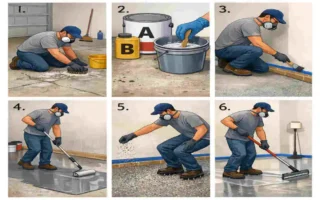
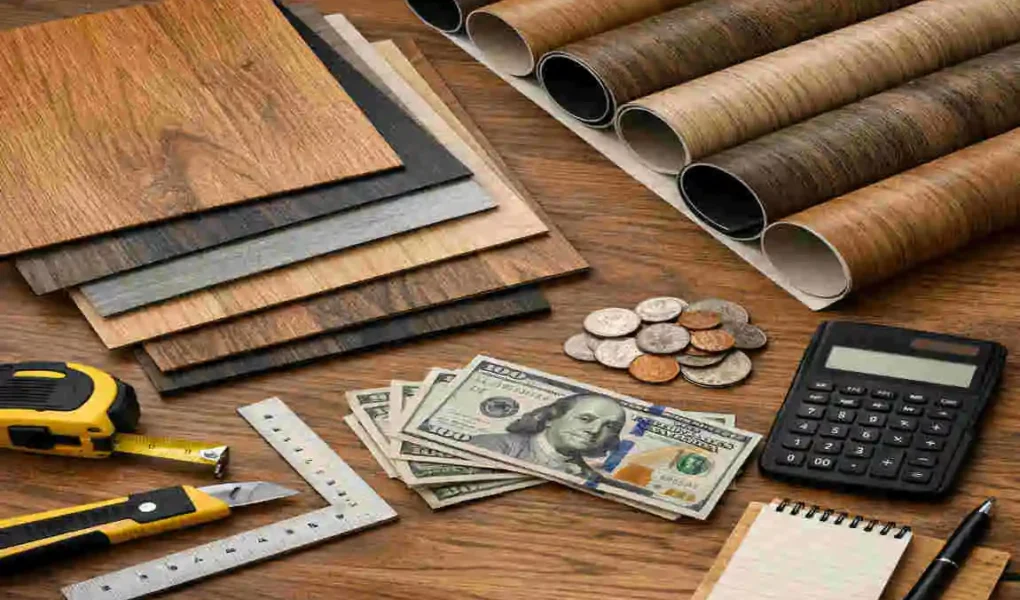
When people start comparing flooring options, price is usually the first thing they want to know. That makes sense. Flooring can take up a big part of a renovation budget, and you want to know where your money is going before you buy anything.
If you are looking into the cost of vinyl laminate flooring sheets, the answer isn’t just one number. The total cost depends on the material quality, the room size, the condition of the subfloor, and whether you install it yourself or hire a pro. Some projects remain very affordable, while others cost much more once preparation and labor are factored in.
Vinyl Laminate Flooring Sheets Cost: What Should You Expect?
What sheet-style flooring means
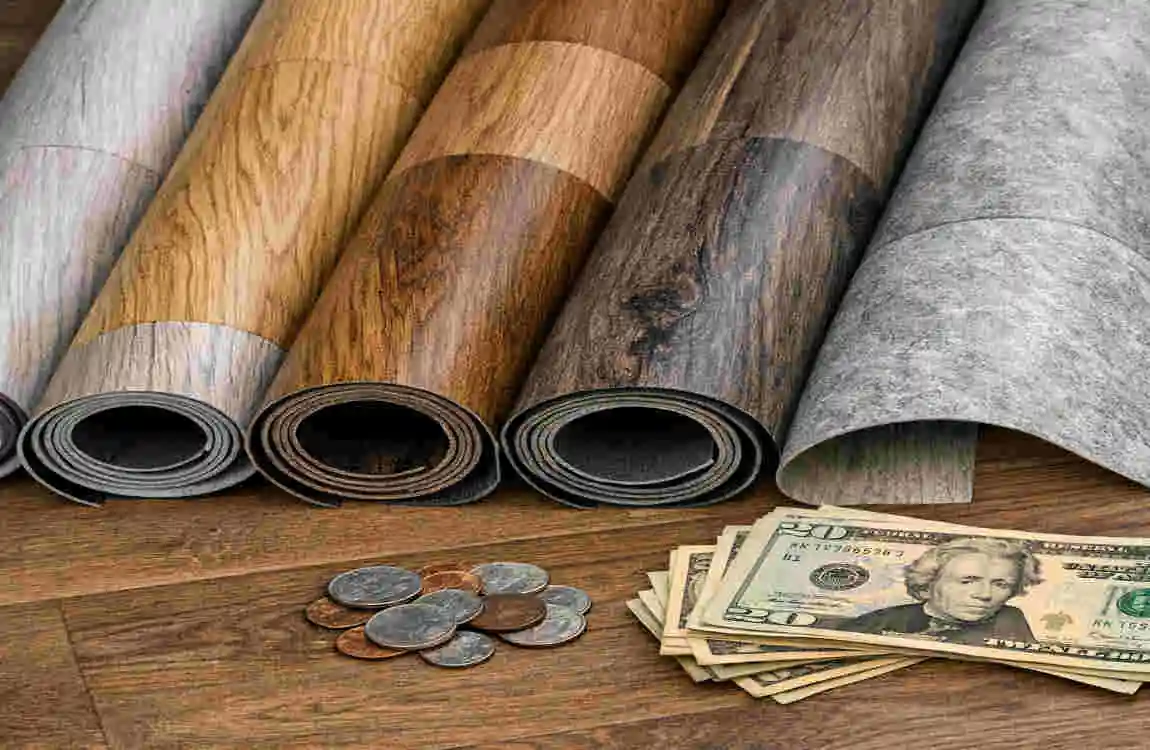
Vinyl sheet flooring comes in large rolls or sheets rather than individual planks or tiles. It is often used in rooms where homeowners want a smooth surface, easy cleaning, and a lower price point.
People like it because it can cover a large area with fewer seams. That can make it a practical choice for kitchens, bathrooms, laundry rooms, and other busy spaces.
Why homeowners choose it
Many homeowners choose sheet-style flooring because it is often budget-friendly, easy to maintain, and comfortable enough for everyday use. It can also come in styles that look like wood, tile, or stone.
That mix of price and appearance makes it appealing when you want a good-looking floor without spending too much.
Material cost vs installed cost
One of the biggest mistakes people make is looking only at the price of the flooring itself. That number is only part of the project.
The material cost is what you pay for the flooring sheets. The installed cost includes labor, prep work, adhesive, trim, and sometimes the removal of old flooring. In many projects, those extra costs can significantly affect the budget.
Main factors that affect total cost
Several things shape the final price:
- Room size
- Flooring quality
- Labor cost
- Subfloor condition
- Extra materials and finish work
The bigger the room and the more work needed underneath, the higher the total price is likely to be.
What Affects the Cost of Vinyl Laminate Flooring Sheets?
Material quality and thickness
Not all vinyl flooring is made the same. Some products are basic and thin, while others are thicker and built for better comfort and durability.
Basic, mid-range, and premium flooring
Basic flooring usually costs less upfront, but it may wear faster or feel less sturdy. Mid-range products often strike a better balance between price and performance. Premium flooring usually costs more because it may offer better texture, stronger wear layers, and a more realistic look.
Why thickness matters
Thicker flooring often feels better underfoot and may handle daily use more effectively. It can also hide small imperfections in the floor below.
That said, thicker flooring usually costs more. So when you compare the cost of vinyl laminate flooring sheets, consider how long you want the floor to last and how much traffic the room gets.
Room size and square footage
Larger rooms require more material, so the price increases with space. This part sounds simple, but it is one of the biggest cost drivers.
How to estimate flooring needs
You can estimate square footage by multiplying the room length by the room width. For example, a room that is 10 feet by 12 feet has an area of 120 square feet.
You should also add extra material for cutting and waste. Many homeowners plan for a little more than the exact room size so they do not run short during installation.
Flooring design and finish
The look of the flooring can also affect the cost. A plain sheet may cost less than one with a more detailed wood-look or stone-look design.
Common style choices
- Wood-look finishes
- Stone-look finishes
- Simple neutral patterns
- Decorative or textured designs
A more realistic finish often comes at a higher price. If appearance matters a lot to you, it may be worth spending a bit more. If you mainly want a practical floor, simpler designs may save money.
Subfloor condition
The floor under the flooring matters more than many people expect. If the subfloor is rough, damaged, uneven, or damp, you may need extra preparation before installation.
Possible prep costs
- Cleaning the surface
- Leveling low spots
- Repairing damage
- Adding moisture protection
- Removing old flooring
These steps can add to the budget, but they are important. A well-prepared subfloor helps the flooring look better and last longer.
Vinyl vs. Laminate Flooring: Cost and Value Comparison
Basic difference between the two
Vinyl flooring and laminate flooring are often compared because both can give you a stylish look without the price of hardwood or stone. But they are not the same.
Vinyl is usually more resistant to moisture. Laminate often gives a very realistic wood look, but it does not always handle water as well as vinyl.
Material cost comparison
In general, vinyl sheet flooring is considered a budget-friendly option. Laminate can also be affordable, but the price may rise depending on the product style and quality.
Installation comparison
Vinyl sheet installation can be relatively simple in some cases, especially when the subfloor is already smooth and ready. Laminate often uses a floating installation system, which can be easier for some DIY projects, but it still requires planning and care.
Water resistance and maintenance
Vinyl usually has the edge when it comes to moisture. That makes it a strong choice for kitchens, bathrooms, and laundry areas.
Laminate can be easy to clean too, but it may not be the best option in very damp spaces unless it is specifically designed for that use.
Durability and lifespan
Both materials can last a long time if you choose a good product and install it correctly. Still, cheaper versions of either one may show wear faster.
The best choice depends on the room, the amount of foot traffic, and the amount of moisture the area gets.
Which one gives better value?
If you want a floor for a wet or busy room, vinyl may offer better value. If you want a wood-like look for a dry room, laminate may be the better fit.
The best choice is not always the cheapest one. It is the one that works best for the room and lasts long enough to justify the cost.
Vinyl Laminate Flooring Installation Costs
DIY installation
Doing the job yourself can save money. That is one reason many homeowners consider DIY installation in the first place.
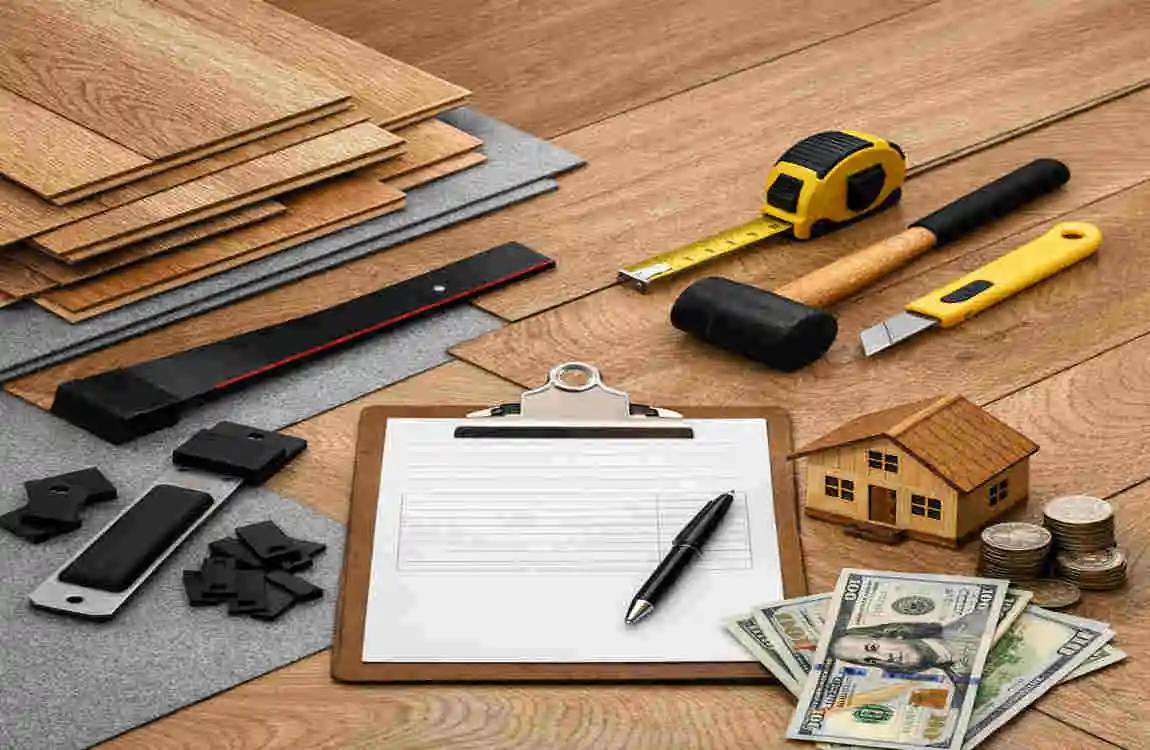
What you may need
- Basic measuring tools
- A utility knife or cutting tool
- Straightedge
- Adhesive if needed
- Cleaning supplies
- Safety gear
If the room is small and the subfloor is already in good condition, DIY may be practical. But if the room has odd shapes, damage, or moisture issues, the job can become more difficult.
Professional installation
Hiring a pro costs more, but it can also save time and reduce mistakes. Labor rates vary by location, project size, and the condition of the room.
What professional labor may include
- Removing old flooring
- Preparing the subfloor
- Cutting and fitting sheets
- Sealing edges
- Adding trim or transition strips
Professional installation is often worth it when you want a cleaner finish or do not want to handle the technical steps yourself.
Additional installation expenses
Even when the flooring itself is affordable, small extra costs can add up.
Common add-ons
- Adhesive
- Underlayment where required
- Transition strips
- Baseboards and trim
- Old flooring removal and disposal
These items may not seem expensive on their own, but together they can significantly increase the total project cost.
How to Calculate Your Total Flooring Budget
Measure the room correctly.
Start by measuring the length and width of each room. Then multiply those numbers to get square footage.
If a room is not a simple square or rectangle, break it into smaller parts and add them together.
Add extra for waste.
Always include extra material for cutting mistakes, pattern matching, and future repairs. This helps prevent delays if you run short.
A small buffer is smart because it is better to have a little extra than to order more later and risk a color mismatch.
Use a full budget formula.
A simple way to think about it is:
Total Flooring Cost = Flooring Materials + Installation + Subfloor Preparation + Extra Materials + Removal/Disposal
This formula gives you a more realistic budget than flooring cost alone.
Sample budget checklist
Before you buy, make sure you have thought through these items:
- Room size
- Material price
- Labor or DIY cost
- Subfloor repair
- Trim and finishing materials
- Disposal of old flooring
Ways to keep costs down
You do not always need the most expensive product to get a good result. A few smart choices can help you save money.
- Compare several flooring options
- Shop during sales
- Choose standard designs instead of custom looks
- Prepare the subfloor yourself when it is safe to do so
- Buy all the flooring from the same production batch
That last point matters because material from different batches can sometimes look slightly different.
Is Vinyl Laminate Flooring Worth the Cost?

Main advantages
Vinyl flooring is popular because it offers great value for the price.
Benefits include:
- Affordable compared with premium flooring
- Easy to clean
- Comfortable underfoot
- Many color and pattern choices
- Suitable for many rooms
For many households, that combination is hard to beat.
Potential drawbacks
No flooring is perfect. Lower-quality products may wear faster or show damage sooner than expected.
Possible downsides:
- Low-end products may not last as long
- Subfloor flaws can show through
- Some types are not ideal for heavy moisture
- Damaged sections may need replacement
That does not mean vinyl is a bad choice. It just means you should choose the right quality for the room and the amount of use it gets.
Best rooms for vinyl flooring
Vinyl is often a strong match for rooms that need easy cleaning and moisture resistance.
Good spaces for it include:
- Kitchen
- Bathroom
- Laundry room
- Bedroom
- Hallway
- Living room
If you want one material that works in several parts of the house, vinyl can be a practical choice.
When it makes the most sense
Vinyl flooring is worth the cost when you want a balance of price, style, and everyday convenience. It is especially useful in homes that need low-maintenance flooring with decent durability.
FAQs About Vinyl Laminate Flooring Sheets Cost
How much does vinyl laminate flooring cost per square foot?
The price varies by product quality, brand, and location. You should also remember that installation and preparation can add to the final amount.
Is vinyl sheet flooring cheaper than laminate?
Sometimes yes, especially at the basic level. But the total cost depends on the exact product, room size, and installation needs.
How much flooring do I need for a room?
Measure the room’s length and width, multiply them to get square footage, and add extra for waste and mistakes.
Is vinyl flooring cheaper to install?
It can be, especially if the subfloor is already in good shape and the installation is straightforward. Complex rooms and prep work can raise labor costs.
Does thicker vinyl flooring cost more?
Usually yes. Thicker flooring often offers better comfort and durability, so it tends to be more expensive.
Can I install vinyl flooring myself?
Yes, in many cases. DIY works best for simple rooms and straightforward layouts. If the room has damage, moisture, or unusual shapes, professional help may be a better choice.
How can I reduce vinyl flooring costs?
Compare prices, buy during sales, choose standard styles, and prepare the subfloor carefully before installation.
| Flooring Type | Average Cost per Sq. Ft. | Best For | Budget Level |
|---|---|---|---|
| Basic Vinyl Sheets | $0.75–$2 | Low-cost rooms | Budget |
| Standard Vinyl Laminate | $1.50–$3.50 | Bedrooms & living areas | Moderate |
| Premium Vinyl Sheets | $3–$5+ | High-traffic spaces | Higher |
| Installation | $1–$3 | Professional installation | Extra |
| Underlayment/Preparation | $0.50–$2 | Smoother, better installation | Extra |