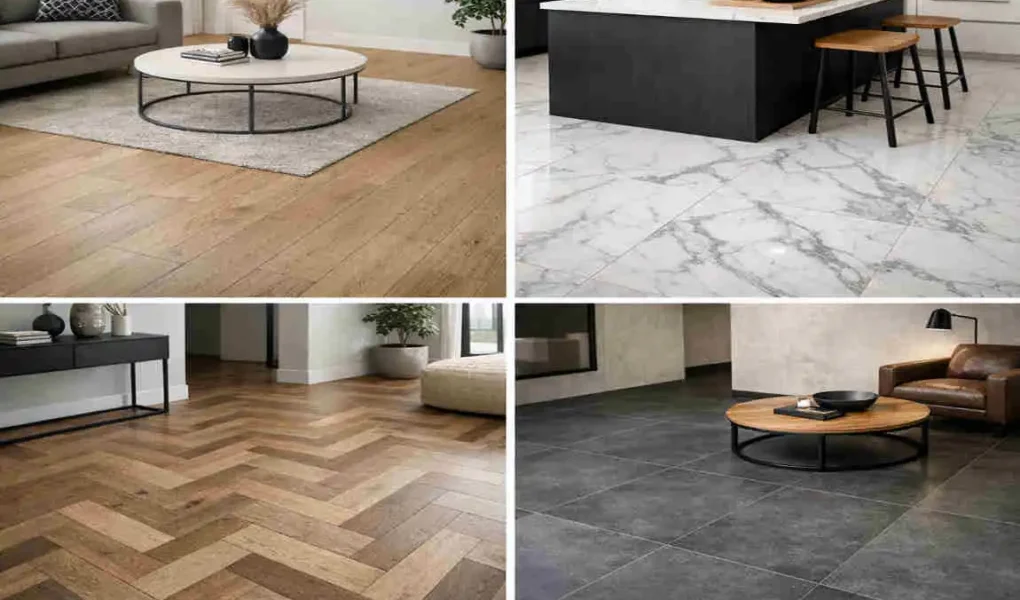
Choosing the right flooring colors and patterns can change a room’s whole feel. Floors take up a lot of visual space, so they quietly shape how big a room looks, how warm it feels, and how modern it appears.
If you have ever walked into a room and immediately felt that it looked brighter, calmer, or more stylish, the flooring may have been a big reason why. The right floor can make walls feel taller, furniture look better, and the whole interior feel more complete.
Popular Flooring Colors for Modern Homes
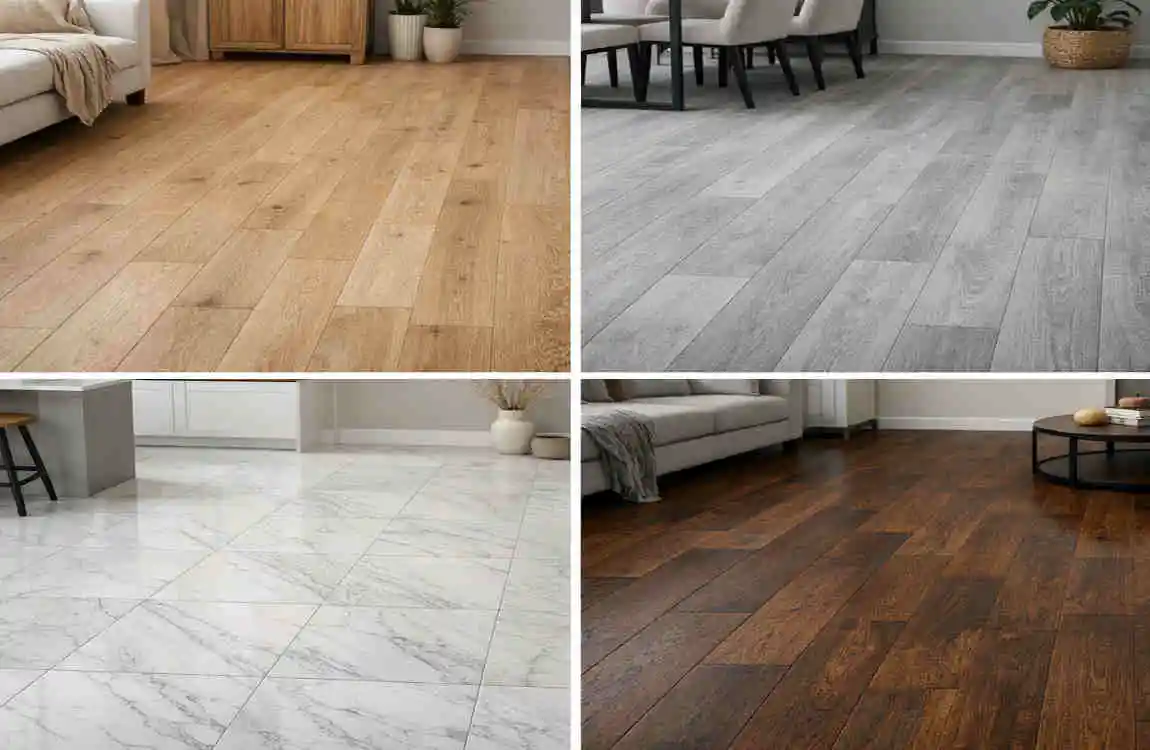
Light flooring colors
Light flooring colors are a favorite in modern homes because they make spaces feel open and bright. Shades like pale oak, soft beige, and light ash work especially well in smaller rooms.
These floors reflect more light, which can make a room feel less cramped. They also create a clean backdrop for modern furniture and simple décor.
Warm wood tones
Warm wood floors bring comfort into a room. They feel natural, familiar, and inviting. Colors like honey, walnut, and medium oak add warmth without looking too heavy.
This type of flooring works well if you want your home to feel lived-in and relaxed. It is a strong choice for family spaces, living rooms, and bedrooms.
Dark flooring for a strong look
Dark floors create a more dramatic, luxurious feel. Deep brown, espresso, and charcoal shades can make a room feel grounded and stylish.
These floors are especially attractive in large rooms with plenty of light. They can look very elegant, but they work best when balanced with lighter walls and furniture.
Gray and greige flooring
Gray flooring has become popular because it feels modern and is easy to match. Greige, which mixes gray and beige, is even more flexible because it feels softer and warmer.
These shades are a good middle ground. They can work in contemporary homes, minimalist spaces, and open-plan layouts without clashing with other finishes.
Natural and earthy tones
Earthy flooring colors are becoming more popular because many people want homes that feel calm and organic. Colors like sand, clay, soft brown, and muted stone tones create a peaceful mood.
These shades work well if you want a modern space that still feels warm and human. They pair beautifully with wood furniture, greenery, and natural fabrics.
Matching flooring colors with walls and furniture
Flooring should support the rest of the room, not fight with it. If your furniture is dark, lighter flooring can help the room feel balanced. If your walls are light, medium, or warm, flooring can stop the room from feeling flat.
A good rule is to keep contrast in mind. You do not need everything to match exactly. Instead, aim for a smooth relationship between the floor, walls, and furniture.
Trending Flooring Patterns and Layouts
Straight plank layout
The straight plank layout is the most classic and common option. Planks run in one direction, creating a clean, simple look.
This layout works in almost any room because it is easy on the eye. It also gives a modern floor a neat and organized appearance.
Herringbone flooring
Herringbone is one of the most stylish flooring patterns available. It uses angled planks arranged in a zigzag pattern, which adds movement and detail.
Many people love herringbone because it feels timeless but still fresh. It can make a room feel more polished without needing extra decoration.
Chevron flooring
Chevron is similar to herringbone, but the planks meet in a sharper V-shape. This gives the floor a more structured and graphic look.
It is a strong choice if you want a bold but elegant pattern. Chevron works well in modern interiors that lean toward a clean, high-end feel.
Basketweave and geometric tile patterns
Basketweave patterns create a woven look that feels classic and decorative. Geometric tile layouts can feel more modern and artistic, especially in bathrooms, kitchens, and entryways.
These patterns work best when you want the floor to be a design feature, not just a background surface.
Wide-plank flooring
Wide planks are very popular in modern homes because they feel open and relaxed. They show fewer seams, which makes the floor look calm and continuous.
This layout is especially good for larger rooms and open-plan spaces. It makes the whole interior look more spacious.
How patterns affect room size
Patterns can change how a room feels. Long lines can make a room appear wider or longer. Repeating patterns can bring energy and character into a plain room.
If you want a small room to feel bigger, choose a layout that guides the eye smoothly. If you want a room to feel more stylish, a patterned floor can add depth and interest.
How to Choose Flooring Colors and Patterns by Room
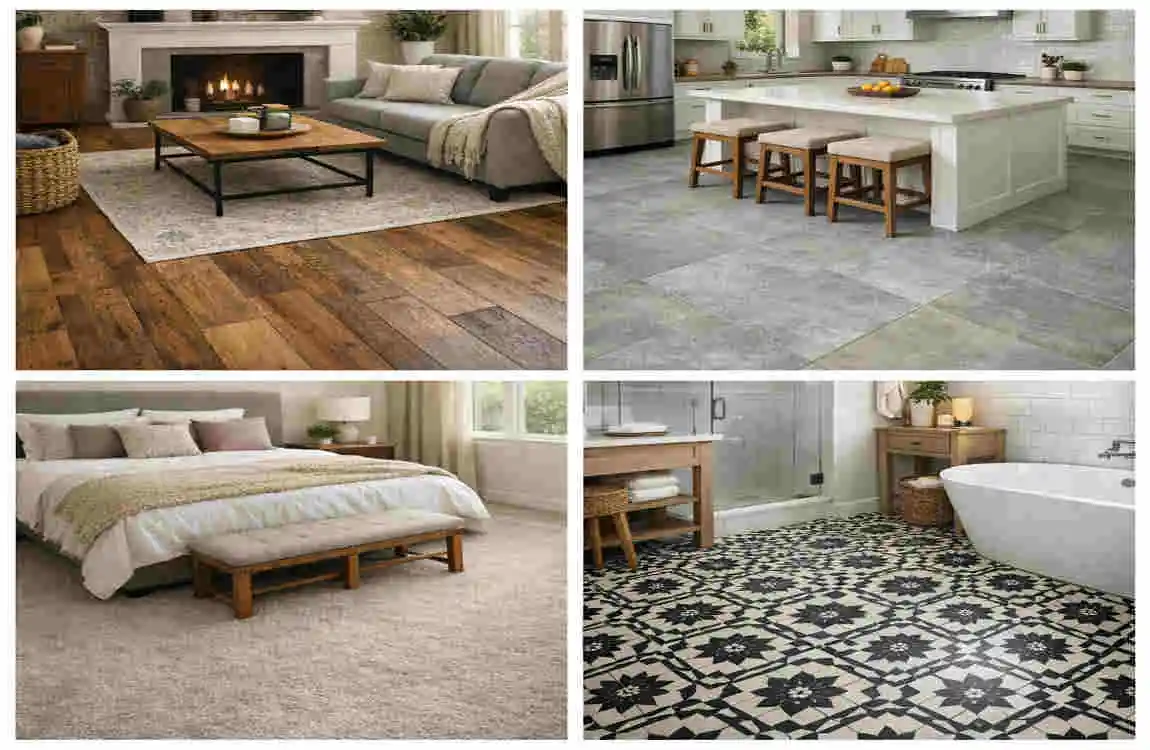
Living room flooring ideas
The living room is often the home’s center, so the flooring should feel welcoming and flexible. Light oak, warm wood tones, and wide planks are all strong options.
For a cozy space, choose a warmer tone. For a more modern, open look, lighter flooring may be better.
Kitchen flooring colors and patterns
Kitchen flooring needs to be both attractive and practical. It should handle spills, foot traffic, and daily cleaning with ease.
Neutral colors, stone-look tiles, and durable wood-look floors are all smart options. Simple patterns often work best here because kitchens already have a lot going on visually.
Bedroom flooring for calm spaces
Bedrooms should feel restful, so flooring should support that mood. Soft wood tones, light neutrals, and matte finishes all work well.
Avoid anything too loud or busy unless you want the floor to become the main feature. In most bedrooms, the best choice is a floor that feels quiet and comfortable.
Bathroom flooring choices
Bathrooms need flooring that handles moisture and still looks stylish. Tile is often the best choice here, especially in light stone colors or clean geometric designs.
For a more spa-like feel, choose soft natural tones. For more personality, patterned tile can add charm without overwhelming the space.
Entryways and hallways
These areas need durable, easy-to-clean flooring. They also create the home’s first impression, so the design should feel intentional.
A slightly darker floor or a subtle pattern can help hide dirt while still looking elegant. This is a great place to use flooring that feels a little more dramatic.
Open-concept homes
Open layouts work best when flooring feels consistent from one space to the next. This helps the home feel larger and more connected.
If you use different flooring in different zones, try to keep the colors coordinated. That way, the transition feels smooth instead of broken.
Best choices by room at a glance
Room Best Flooring Colors Good Pattern Choices Main Goal
Living room Warm wood, light oak, greige Straight plank, wide plank Comfort and flexibility
Kitchen Neutral, stone tones, gray Simple tile, subtle pattern Easy care and durability
Bedroom Soft beige, light brown, pale oak Straight plank Calm and relaxation
Bathroom Light stone, white, gray Geometric tile, basketweave Moisture resistance and style
Hallway Medium brown, dark neutral, gray Straight plank, patterned tile Durability and visual impact
Matching Flooring With Interior Design Styles
Modern and contemporary interiors
Modern interiors usually work best with clean flooring and simple patterns. Light oak, gray, and wide planks are especially popular because they feel fresh and balanced.
Contemporary spaces often use flooring that does not compete with the furniture. Instead, it supports a refined and uncluttered look.
Minimalist design
Minimalist homes need flooring that feels quiet and simple. Neutral colors, matte finishes, and smooth layouts are the best choices.
The key is to avoid too much detail. In a minimalist space, the floor should feel natural and calm.
Farmhouse and rustic homes
Farmhouse and rustic styles often look best with warm wood tones and textured finishes. These floors bring charm and a lived-in feel.
A slightly aged or natural finish can help the room feel more authentic. It pairs well with soft fabrics, simple furniture, and natural accents.
Scandinavian interiors
Scandinavian design usually leans toward light flooring colors, soft wood tones, and lots of natural light. The goal is to create a bright and comfortable home.
This style works especially well with pale oak and clean plank layouts. It feels fresh, practical, and easy to live with.
Japandi style
Japandi mixes Japanese calm with Scandinavian simplicity. Flooring in this style is usually warm, natural, and understated.
Muted wood tones, smooth finishes, and balanced proportions work best here. The floor should help the room feel peaceful and uncluttered.
Mid-century modern spaces
Mid-century modern homes often look great with medium wood floors and clean plank layouts. The style values warmth, balance, and timeless shape.
A floor with natural color and subtle grain often fits beautifully with mid-century furniture and simple lines.
Luxury and traditional interiors
Luxury interiors often use dark floors, herringbone patterns, or polished stone looks. These choices add richness and formality.
Traditional homes may also use patterned flooring to bring elegance and character. The key is to keep the design balanced so it feels classy, not busy.
Practical Tips for Choosing the Right Flooring

Think about lighting
Lighting changes how flooring looks. A floor that seems warm in daylight may appear cooler at night. Artificial light can also change the tone.
Before making your final choice, look at samples in the actual room at different times of day. This simple step can save you from expensive mistakes.
Balance flooring with walls and cabinets
Flooring should work with the rest of the room. If your walls and cabinets are both light, a medium-tone floor can add needed contrast. If your furniture is bold, a calmer floor may work better.
Try to think about the room as one complete picture. The goal is not to make every surface match. The goal is to make everything feel connected.
Consider room size and ceiling height.
Small rooms usually look better with lighter flooring and simpler patterns. Large rooms can handle darker colors and stronger designs.
Ceiling height matters too. A room with low ceilings may feel tighter if the floor is too dark or too busy. A brighter floor can help open it up.
Think about maintenance
Some patterns hide dirt better than others. Some colors show dust, pet hair, or scratches more easily. If you want a low-maintenance floor, choose something practical for your daily life.
This matters even more if you have pets or children. The best flooring is not just beautiful. It also has to fit how you live.
Mix colors and patterns carefully.
You can mix flooring colors and patterns in one home, but you should do it carefully. Too much variety can make the home feel messy.
A good approach is to use one main flooring style and then add a second one only where it makes sense, such as in a bathroom or entryway. Keep the tones related so the home still feels cohesive.
Common flooring mistakes to avoid
- Choosing a color only because it looks good in a sample
- Ignoring natural light in the room
- Using too many different flooring styles in one home
- Picking a pattern that feels too busy for a small room
- Forgetting about cleaning and maintenance needs
- Matching everything too perfectly, which can make the room feel flat
Flooring Colors and Patterns: FAQs
What flooring colors are most popular in modern homes?
Popular choices include light oak, gray, greige, warm brown, and soft neutral tones. These colors match modern furniture and décor easily.
What flooring pattern makes a room look bigger?
Straight plank layouts and wide-plank flooring often make a room feel larger. They guide the eye smoothly and reduce visual clutter.
Are light or dark floors better for modern interiors?
Both can work. Light floors usually make a room feel bigger and brighter, while dark floors create a more dramatic and upscale look. The better choice depends on the room and the mood you want.
Is herringbone flooring still trendy?
Yes, herringbone is still very popular. It has a timeless feel and works well in modern, classic, and luxury interiors.
How do I match flooring colors with furniture?
Start with the tone of your furniture. If your furniture is dark, lighter flooring can balance it. If your furniture is light, a warmer or deeper floor can add contrast.
What flooring color is easiest to maintain?
Medium-toned flooring is often the easiest to live with because it hides dust, dirt, and small marks better than very light or very dark floors.
Can different flooring patterns be used in the same home?
Yes, but keep them coordinated. Use similar tones and make sure the change between patterns feels intentional.
| Flooring Color / Pattern | Best For | Style Effect |
|---|---|---|
| Light Oak | Living rooms, bedrooms | Bright and spacious |
| Warm Walnut | Dining rooms, offices | Rich and elegant |
| Natural Beige | Whole-home flooring | Calm and versatile |
| Gray Wood | Modern interiors | Clean and contemporary |
| Whitewashed Wood | Coastal homes | Airy and relaxed |
| Herringbone | Entryways, living rooms | Classic and stylish |
| Chevron | Modern feature areas | Bold and sophisticated |
| Geometric Tiles | Kitchens, bathrooms | Creative and modern |