
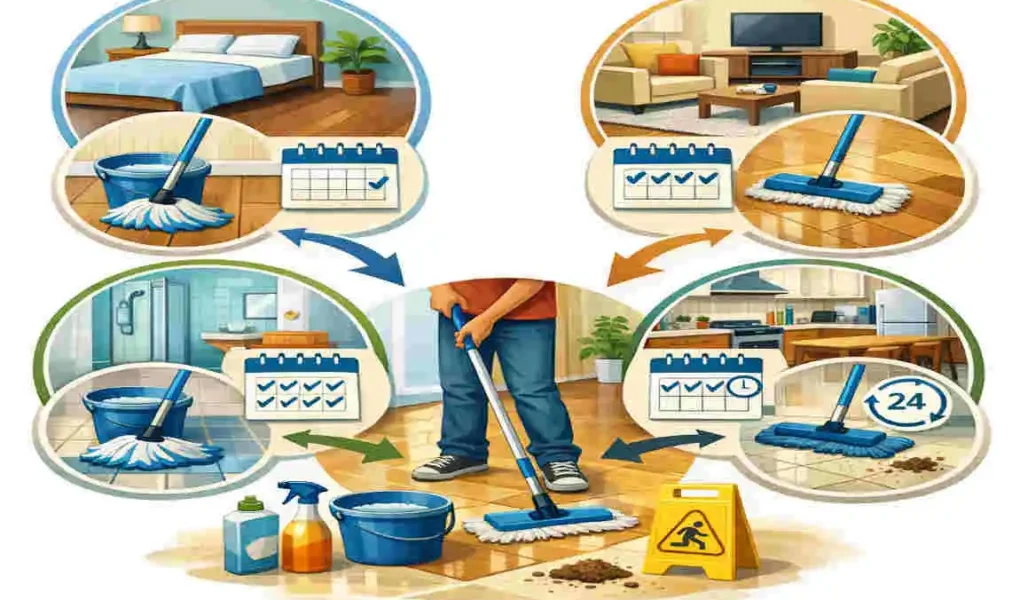
Keeping floors clean is one of the easiest ways to make a home feel fresh. But many people still wonder how often to mop their floors without overdoing it or letting dirt build up.
The answer depends on your floor type, your daily routine, and how much traffic your home gets. A busy home with kids and pets will need more cleaning than a quiet home with just one or two people. The good news is that once you understand the basics, it’s much easier to set up a simple cleaning routine.
How Often Should You Mop Your Floors?
The usual rule for most homes
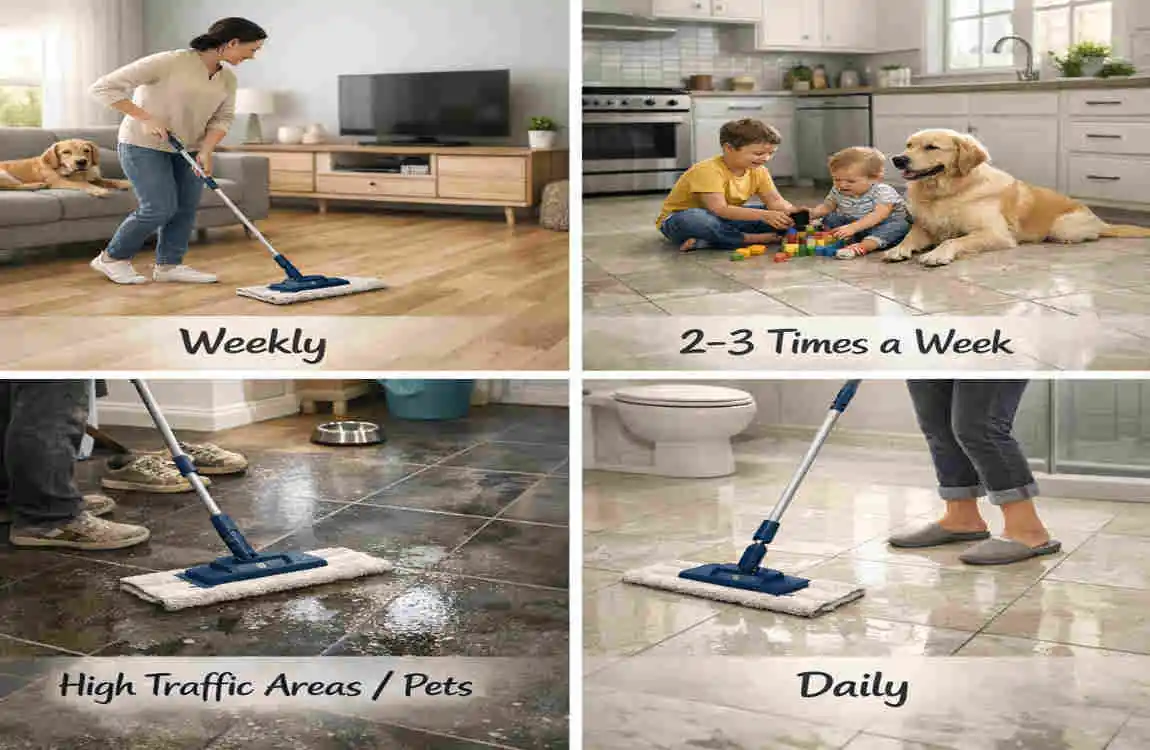
For many homes, mopping once a week is a good starting point. This works well for normal daily use and helps stop dirt from building up.
If your floors get dirty faster, you may need to mop more often. Kitchens, entryways, bathrooms, and homes with pets often need extra attention.
Routine cleaning vs deep cleaning
Mopping is usually part of routine cleaning. It helps keep the floor looking neat and removes daily dirt, dust, and spills.
A deep clean goes a little further. It may include scrubbing edges, cleaning corners, and removing stuck-on grime. You don’t need to deep-clean every time you mop, but doing it now and then helps keep floors in better shape.
Why regular mopping matters
Regular mopping does more than make a floor look nice. It also helps remove sticky spots, dust, and germs that sweepers can miss. When you clean on a steady schedule, you avoid heavy buildup later.
How Often to Mop Different Types of Floors
Not all floors need the same care. Some can handle more water and stronger cleaning, while others need a gentler touch.
Floor Type How Often to Mop Cleaning Note
Tile/Ceramic 1–2 times a week Handles moisture well
Vinyl/LVT Once a week Use a mild cleaner
Hardwood Every 1–2 weeks Use very little water
Laminate Weekly or as needed Avoid soaking the floor
Stone/Concrete Weekly Use products made for the surface
Tile and ceramic floors
These floors are strong and easy to clean. You can mop them more often, especially in kitchens and bathrooms where spills happen often.
Vinyl and luxury vinyl floors
Vinyl floors are also easy to maintain. A weekly mop is usually enough unless the area gets very dirty. Use a gentle cleaner to keep the finish looking nice.
Hardwood floors
Hardwood needs extra care. Too much water can damage it, so mop less often and use a damp mop, not a wet one. To keep the wood looking good, be careful and clean spills quickly.
Laminate flooring
Laminate can look great, but it does not like excess water. A light mop once a week, or as needed, is usually enough.
Stone and concrete floors
These floors are durable, but they still need the right cleaner. Regular mopping helps keep them free of dust and stains.
What Factors Determine Your Mopping Schedule?
Household size matters
More people usually means more dirt. If your home has several family members, you will probably need to mop more often than a smaller home.
Kids and pets increase mess.
Children spill food and drinks. Pets bring in dirt, hair, and muddy paw prints. If you have both, your floors may need cleaning more frequently.
Foot traffic changes everything.
Areas that people walk through all day get dirty faster. Hallways, entrances, kitchens, and living rooms often need more care than bedrooms or guest spaces.
Cooking and outdoor dirt
Kitchen floors can get greasy or sticky from cooking. Outdoor dust, rain, and mud can also make floors dirty quickly, especially near doors.
Spills and sudden messes
Even if you don’t mop often, clean spills right away; waiting too long can leave stains or sticky spots behind.
Signs Your Floors Need Mopping
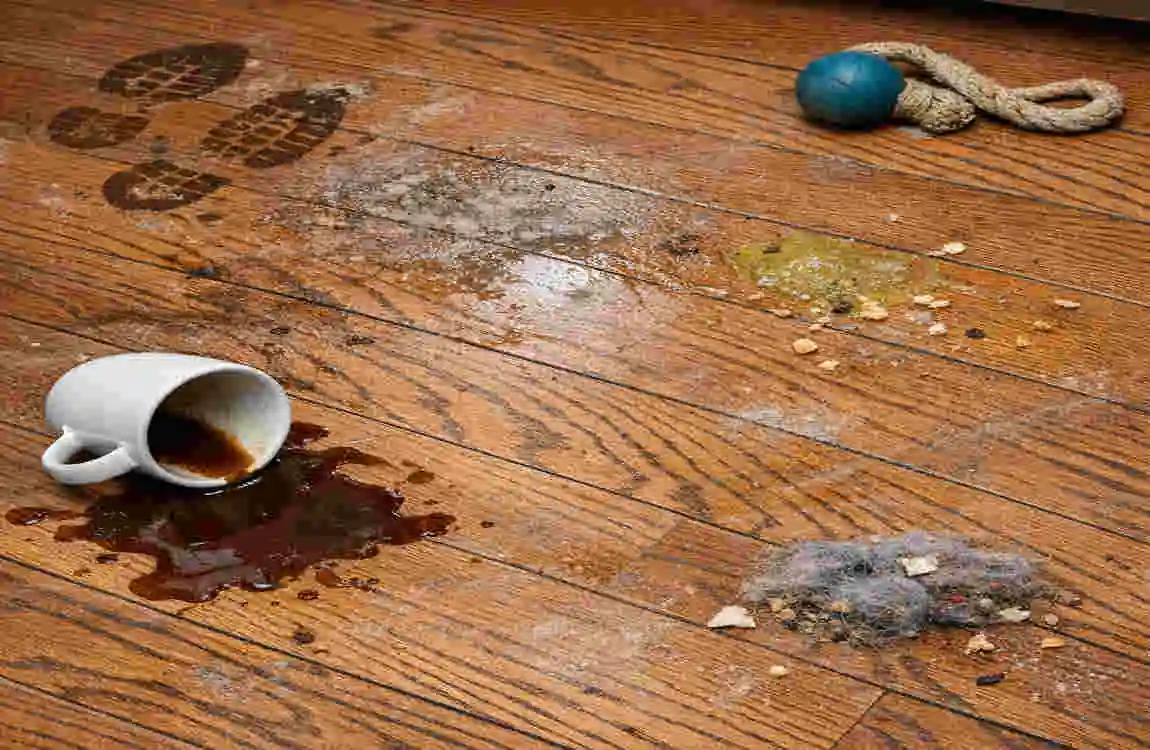
Sometimes the floor tells you it is time to clean. You need to notice the signs.
Look for visible dirt.
If you can see dust, crumbs, or stains, it is time to mop. Even if the floor does not look terrible, small messes can spread over time.
Check for sticky or greasy spots.
A sticky floor clearly shows that food, drink, or cooking residue has built up. This is common in kitchens and dining areas.
Notice footprints and muddy marks.
If footprints stay on the floor after people walk across it, the surface probably needs cleaning.
Watch for dullness
A floor that looks dull or cloudy may need mopping. Dirt can hide the shine and make the room look less fresh.
Smell the room
Sometimes odors come from dirty floors, especially in kitchens or pet areas. If the room smells off, the floor may be part of the problem.
Best Way to Mop Floors for Better Results
Start by removing loose dirt.
Always sweep or vacuum first. If you skip this step, you may push dirt around instead of removing it.
Use the right mop and cleaner.
Choose a mop that suits your floor type. Also use a cleaner made for the surface you are washing. A safe product works better than a strong one that may cause damage.
Do not use too much water.
This is especially important for wood and laminate. A mop should be damp, not soaking wet. Too much water can leave marks or cause damage.
Mop in a smart order.
Start with the cleaner parts of the room and move toward dirtier spots. This keeps you from spreading grime around.
Let the floor dry
After mopping, let the floor dry fully before walking on it. This helps prevent slips and keeps the finish looking neat.
Common Mopping Mistakes to Avoid
Mopping before sweeping
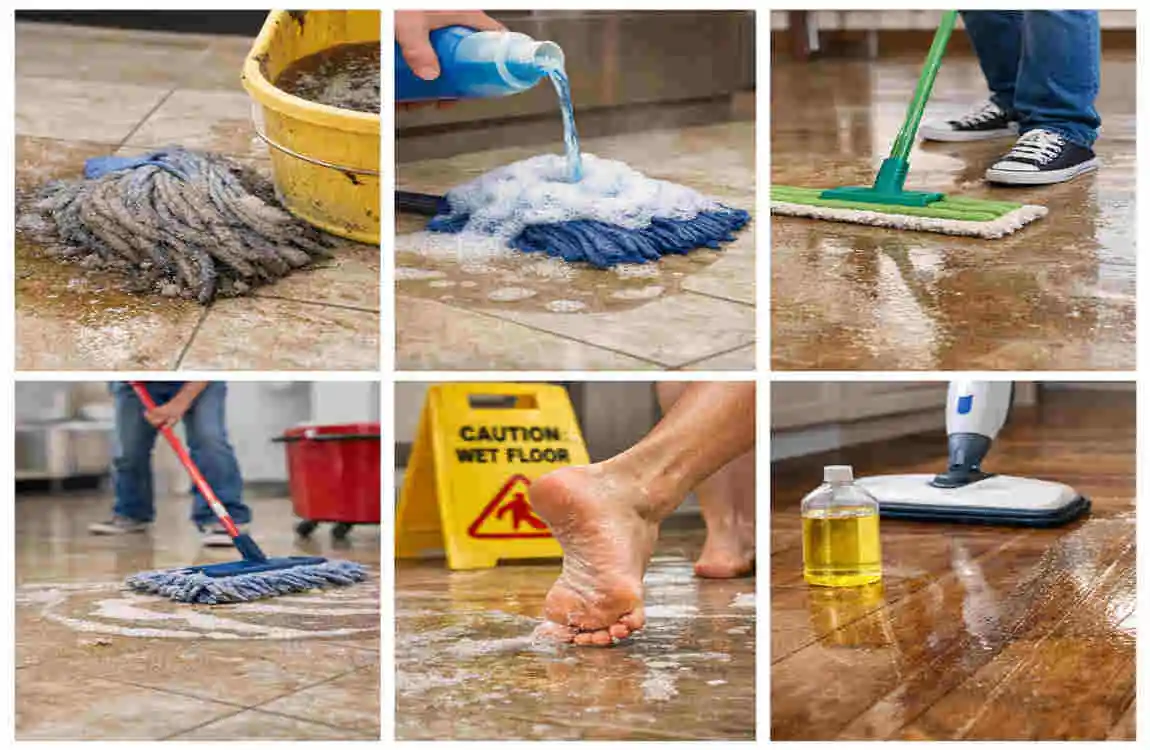
This is one of the biggest mistakes. Loose dirt can turn into muddy streaks if you mop too soon.
Using too much water
More water does not mean a better clean. In fact, it can damage delicate flooring and leave the surface wet for too long.
Using the wrong product
Some cleaners are too strong for certain floors. Always check that the cleaner matches your flooring material.
Reusing dirty water
Dirty mop water spreads grime instead of removing it. Change the water when it starts looking cloudy or dirty.
Ignoring busy areas
Some people mop only the middle of the room and forget the corners, edges, and entryways. These spots often collect the most dirt.
FAQ
How often should you mop your floors?
For most homes, once a week is enough. Busy homes may need more frequent mopping.
Is mopping once a week enough?
Yes, for many homes it is. But kitchens, entryways, and homes with pets may need extra mopping.
Should you mop every day?
Usually no. Daily mopping is only needed in very high-traffic or messy areas.
How often should you mop with pets?
If you have pets, you may need to mop one to three times a week, depending on shedding, dirt, and paw prints.
Can you mop hardwood floors regularly?
Yes, but carefully. Use minimal water and a cleaner made for wood floors.
Is it better to mop with hot or cold water?
Warm water is usually best. It helps loosen dirt without being too harsh on the floor.
How do you know when a floor needs mopping?
Look for dirt, sticky spots, footprints, dullness, or odors. These are all common signs.
| Area / Situation | Recommended Mopping Frequency | Quick Tip |
|---|---|---|
| Kitchen | 2–3 times a week | Clean spills immediately |
| Bathroom | 2–3 times a week | Use a suitable disinfecting cleaner |
| Living Room | Once a week | Vacuum or sweep first |
| Bedrooms | Every 1–2 weeks | Mop after removing dust |
| High-Traffic Areas | 2–3 times a week | Increase frequency when needed |
| Homes With Pets | 2–3 times a week | Clean muddy or dirty paw marks quickly |
| Homes With Young Children | 2–3 times a week | Choose a child-safe floor cleaner |
| Low-Traffic Areas | Every 1–2 weeks | Dust and sweep between mopping |