To sweep the floor may sound like a small task, but it makes a big difference in how your home looks and feels. A clean floor helps the whole room seem fresher, brighter, and more comfortable.
Sweeping also helps remove dust, crumbs, pet hair, and small bits of dirt that build up fast. If you do it regularly, you can keep your home cleaner without spending a lot of time or energy.
Why You Should Sweep the Floor Regularly

Removes Dust and Dirt
When you sweep the floor often, you stop dust and dirt from building up. This keeps surfaces looking neat and helps your home stay cleaner for longer.
Even a few minutes of sweeping each day can make a room look much better.
Improves Indoor Air Quality
Dust on the floor does not stay there forever. It can move into the air and make breathing less comfortable, especially for people with allergies.
Regular sweeping helps reduce loose dust and makes the home feel healthier.
Protects Your Flooring
Small stones, sand, and hard dirt can scratch floors over time. This is especially important for wood, laminate, and vinyl surfaces.
Sweeping helps protect your floors and can make them last longer.
Tools You Need to Sweep the Floor
Traditional Broom
A basic broom is the most common tool for daily cleaning. It works well for crumbs, dust, and light dirt.
Dustpan
A dustpan helps you collect dirt quickly after sweeping. A good dustpan makes cleanup easier and keeps debris from scattering again.
Soft vs Stiff Bristle Brooms
The type of broom matters.
- Soft bristles work best for hardwood and laminate.
- Stiff bristles are better for rough surfaces like concrete or outdoor areas.
Microfiber Dust Mop
A microfiber dust mop is a great choice for smooth floors. It picks up fine dust well and is gentle on delicate surfaces.
How to Sweep the Floor Properly
Remove Obstacles
Before you start, pick up toys, chairs, bags, and anything else that blocks your path. This gives you more space to work and helps you clean better.
Start from the Corners
Dust often collects in corners and along edges. Begin there so you do not push dirt around later.
Sweep in Small Sections
Do not rush. Work in small areas so you can control the dirt better and avoid missing spots.
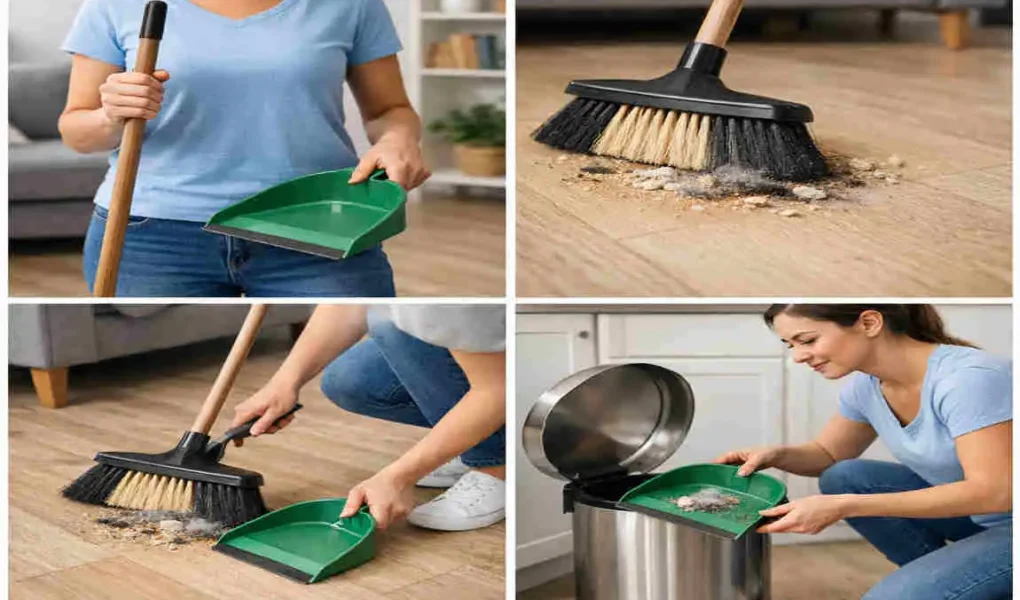
Collect Dirt with a Dustpan
Once you sweep debris into a pile, use the dustpan carefully. Make sure you get fine dust as well as larger bits.
Dispose of the Dirt
Empty the dustpan into the trash right away. If you leave dirt sitting in the pan, it can spread back onto the floor.
Best Sweeping Techniques for Different Floor Types
Hardwood Floors
Use a soft-bristle broom or microfiber mop. These tools are gentle and help prevent scratches.
Tile Floors
Tile floors can hold dirt in grout lines. Sweep slowly and pay extra attention to the spaces between tiles.
Laminate Floors
Laminate can be damaged by too much water, so dry sweeping is a smart choice. Keep the broom light and gentle.
Vinyl Floors
Vinyl floors are easy to clean, but they still need careful sweeping. Use soft strokes to protect the surface.
Concrete Floors
Concrete can handle tougher dirt, but you should remove large debris first. A stiff broom may work better here.
Common Mistakes When You Sweep the Floor
Using the Wrong Broom
A broom that is too rough can damage delicate flooring. A broom that is too soft may not clean rough surfaces well.
Sweeping Too Quickly
If you rush, you may leave dirt behind. Slow, steady sweeping usually gives better results.
Ignoring Corners
Corners and edges hold a lot of dust. If you skip them, the room will still feel dirty.
Not Cleaning the Broom
A dirty broom moves dust around. Shake it out often and wash it when needed.
Leaving Dirt Behind
After sweeping, always check for small leftover bits. A quick final look can make a big difference.
How Often Should You Sweep the Floor?
Daily Sweeping
Kitchens, hallways, and living rooms often need daily sweeping because they get dirty fast.
Weekly Deep Cleaning
Bedrooms and less-used spaces may only need a deeper sweep a few times a week.
High-Traffic Areas
Entryways and family rooms usually need more attention because more people walk through them.
Homes with Pets
If you have pets, you may need to sweep more often to handle fur and tracked-in dirt.
Seasonal Cleaning Tips
During rainy or dusty seasons, floors can get dirty faster. You may need to sweep more often than usual.
Tips to Make Floor Sweeping Easier
Sweep Before Mopping
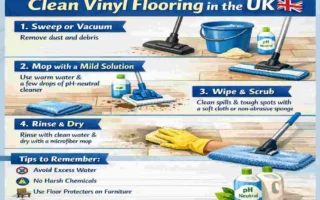
Always sweep first. Mopping works better when loose dirt is already removed.
Keep a Broom Nearby
If you store a broom in an easy-to-reach place, you are more likely to use it often.
Clean Spills Immediately
Do not wait for spills to dry and spread. Clean them up fast so they do not become harder to remove.
Use Entry Mats
Mats near doors catch dirt before it enters the house. This helps reduce how often you need to sweep.
Declutter Floors Regularly
The less clutter on the floor, the easier it is to clean. A clear floor saves time and effort.
Broom Care and Maintenance
Clean Bristles Frequently
Shake out dust after each use. You can also wash the bristles if they start to look dirty.
Store the Broom Correctly
Keep your broom upright in a dry place. This helps the bristles keep their shape.
Replace Worn-Out Brooms
If the bristles are bent or falling apart, it is time for a new broom. A worn broom does not clean well.
Benefits of Keeping Floors Clean

When you sweep the floor regularly, you enjoy several clear benefits.
- Better home appearance
- Reduced allergens
- Longer-lasting flooring
- Improved hygiene
- Safer walking surfaces
A clean floor also helps your whole home feel calmer and more inviting.
Frequently Asked Questions (FAQ)
What is the correct way to sweep the floor?
Start from the corners, sweep in small sections, and gather dirt into a dustpan before throwing it away.
How often should I sweep the floor?
High-traffic areas should be swept daily, while bedrooms may only need it two or three times a week.
Should I sweep before mopping?
Yes. Sweeping first removes loose dirt and helps mopping work better.
Which broom is best for hardwood floors?
A soft-bristle broom or microfiber dust mop is best for hardwood floors.
How do I keep my broom clean?
Shake it out after use, wash the bristles when needed, and store it upright in a dry place.
Is sweeping enough to keep floors clean?
Sweeping helps a lot, but mopping is also important for deeper cleaning and better hygiene.
| Topic | Information |
|---|---|
| Purpose | Sweeping removes dust, dirt, pet hair, and debris to keep floors clean and hygienic. |
| Best Tools | Use a broom, dustpan, microfiber dust mop, or vacuum for efficient cleaning. |
| Start Point | Begin at the farthest corner of the room and work toward the exit. |
| Sweeping Technique | Use short, controlled strokes to gather dirt into small piles. |
| Corners & Edges | Sweep along baseboards, corners, and under furniture where dust collects. |
| Collect Debris | Use a dustpan to pick up dirt and dispose of it in a trash bin. |
| Frequency | Sweep high-traffic areas daily and other rooms 2–3 times per week. |
| For Pet Owners | Sweep more often to remove pet hair, dander, and tracked-in dirt. |
| Extra Tip | Follow sweeping with mopping for a deeper, streak-free clean. |
| Main Benefit | Regular sweeping improves indoor air quality, extends floor life, and creates a cleaner, healthier home. |