To protect your home or building from damp problems, you should understand ground-floor sheet waterproofing systems. These sheets act as a barrier between the ground and the floor structure, helping stop moisture from moving upward and causing damage.
This matters more than many people realize. Water can slowly move through soil and concrete, and over time it can create stains, mold, peeling paint, and weak flooring. With the right ground floor waterproofing, you can keep the space safer, drier, and more durable.
What Is Ground Floor Sheet Waterproofing?
Definition of Ground Floor Sheet Waterproofing
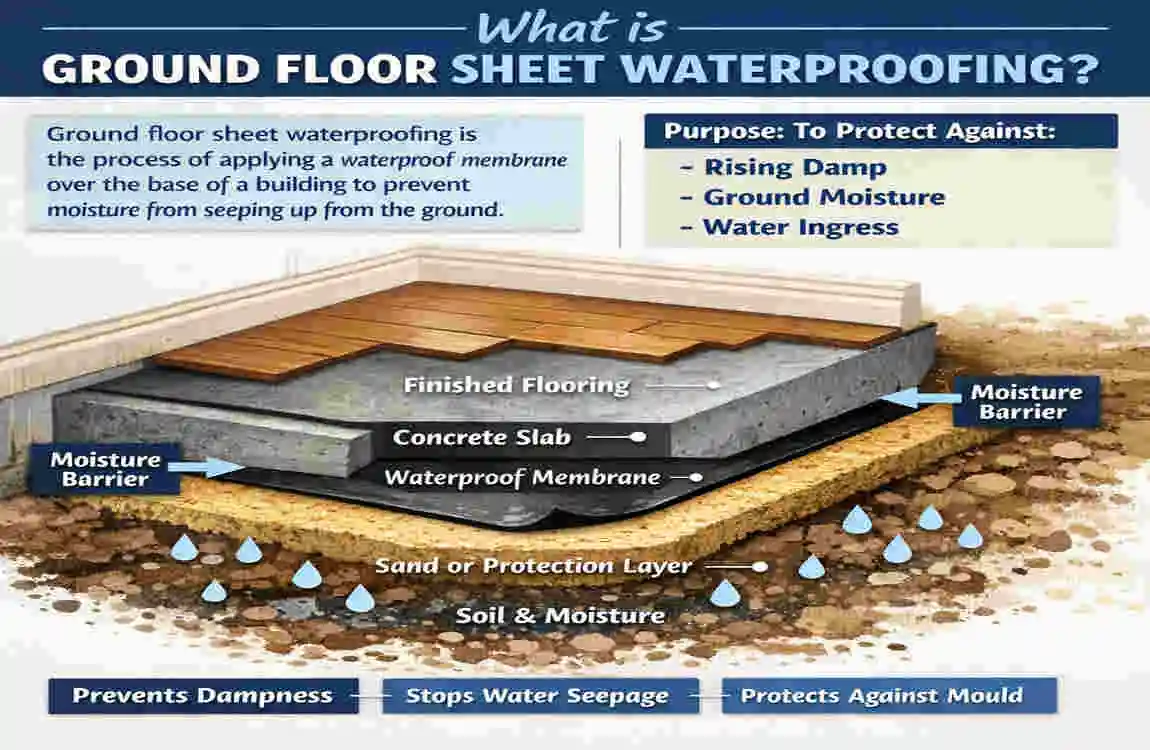
Ground floor sheet waterproofing uses a waterproof sheet or membrane installed below or within the floor system to block moisture. It is often installed before the final floor layer.
This sheet works like a shield. It stops water from rising through the slab or soil and reaching the inside floor surface.
Why Moisture Rises Through Ground Floors
Moisture often rises through ground floors because soil naturally holds water. When the ground stays damp, that moisture can travel upward through small pores in concrete or other materials.
This is one reason rising-damp waterproofing matters. Even if you do not see standing water, the ground below can still push moisture into the building.
Common Signs of Floor Dampness
You may notice a problem if you see:
- Dark patches on the floor
- Damp smells
- Peeling paint or damaged finishes
- Mold near floor edges
- Cracks or soft spots in flooring
These signs often show the floor needs better ground-floor moisture protection.
Sheet Waterproofing vs. Liquid Waterproofing
A waterproof membrane for floor sheets creates a physical barrier. Liquid waterproofing is painted or rolled on and forms a coating after it dries.
Both can work well, but sheets are often preferred for strong floor protection because they create a more stable and even barrier. Liquid systems may be easier for small repairs, while sheet systems are common in larger floor areas.
Why Ground Floor Waterproofing Is Important
Preventing Rising Damp and Water Seepage
The biggest benefit of ground floor waterproofing is simple: it helps stop moisture before it causes damage. Once water gets into a floor, fixing the problem can become expensive and time-consuming.
A proper sheet can help prevent seepage, especially in areas with wet soil, heavy rain, or poor drainage.
Protecting Flooring and Concrete
Moisture can weaken concrete over time. It can also damage tiles, wood, vinyl, carpet, and adhesives. If the floor stays damp, the materials above it may start to fail.
A waterproof sheet for the ground floor helps protect both the structure and the finished floor. This extends the life of the whole system.
Reducing Mold and Moisture Problems
Damp floors create the kind of environment mold likes. Mold can spread quickly in hidden spaces and affect air quality.
By using floor waterproofing sheet materials, you reduce the risk of hidden moisture buildup and help keep the indoor space healthier.
Improving Durability of the Building
Good waterproofing supports the building’s long-term strength. It protects the base of the structure, which is one of the most important parts of any property.
That is why basement and ground floor waterproofing are often discussed together. Both areas face similar moisture risks.
When Waterproofing Is Especially Necessary
You should pay close attention to waterproofing if:
- The site has high groundwater
- The area gets heavy rain
- The building sits on damp soil
- The floor is below or near ground level
- You are installing expensive finishes
In these cases, a reliable ground floor waterproofing membrane is not just helpful. It is often essential.
Types of Waterproof Sheets for Ground Floors
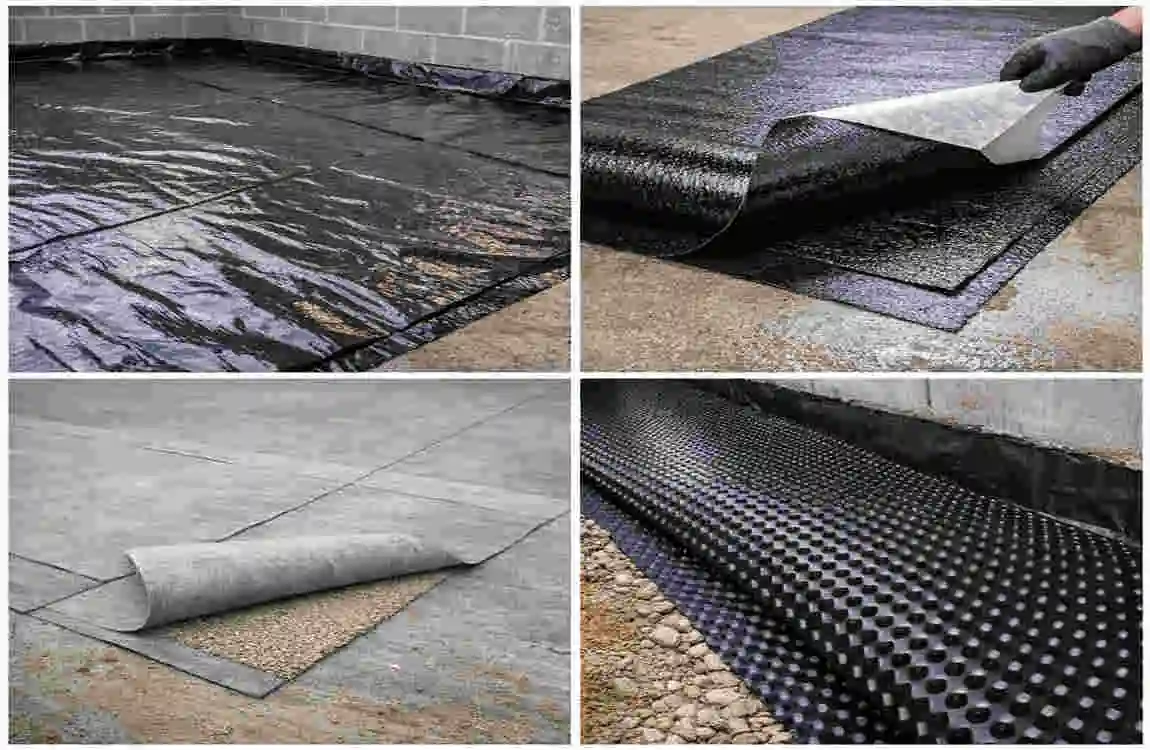
PVC Waterproof Sheets
PVC sheets are widely used because they are flexible and relatively easy to install. They can work well in many floor systems and provide decent moisture resistance.
Advantages:
- Flexible and easy to handle
- Good moisture barrier
- Suitable for many floor applications
Limitations:
- Can be damaged if not protected
- Quality may vary by product
- Needs careful installation at joints
HDPE and Polyethylene Sheets
HDPE and polyethylene sheets are known for strong moisture resistance. They are often used where durability matters and where the floor needs a dependable barrier.
These sheets are commonly used for foundations and slabs because they resist water well and can last a long time when installed correctly.
Bituminous Waterproof Membranes
Bituminous membranes are made using bitumen-based material. They are often chosen for areas that need a tough and proven moisture barrier.
They form a protective layer that helps block water movement. You may find them in floor systems, foundations, and other below-ground applications.
EPDM and Other Membranes
EPDM membranes are valued for flexibility and durability. They adapt well to movement and temperature changes, making them useful in some flooring situations.
The right material depends on the site, budget, and floor design. A premium membrane may cost more, but it can offer better long-term protection.
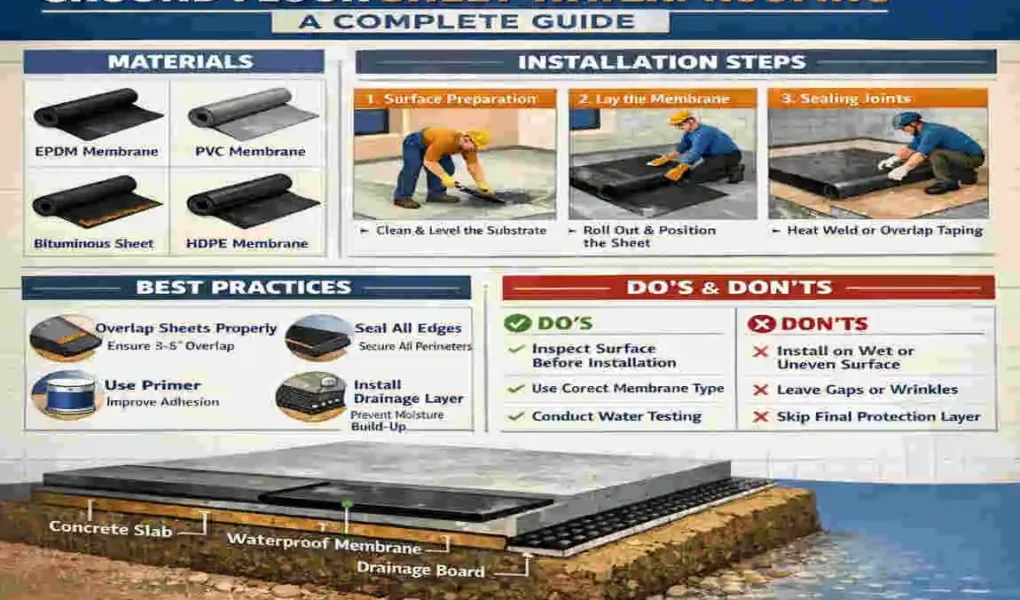
How to Install Ground Floor Sheet Waterproofing
Prepare the Ground Surface
Good installation starts with a clean, stable base. Remove debris, sharp objects, loose soil, and uneven material.
The surface should be smooth enough so the sheet does not tear. If the base is poorly prepared, even a high-quality waterproof membrane can fail.
Install the Waterproof Sheet
Place the sheet carefully and make sure it covers the full area. Overlap the edges as needed to avoid gaps.
Also seal joints and corners properly. Leaks often start at these spots. Protect the sheet from punctures during the rest of the work.
Complete the Floor System
After the sheet is in place, add the concrete or screed layer. Then install the final flooring surface.
Pay special attention to walls, pipes, and corners. These areas often need extra care because they are more vulnerable to leaks.
Simple Installation Checklist
- Clean and level the base
- Lay the sheet without wrinkles
- Overlap and seal joints properly
- Protect the sheet from damage
- Finish with screed, concrete, or flooring
Ground Floor Sheet Waterproofing Cost and Material Selection
What Affects the Cost?
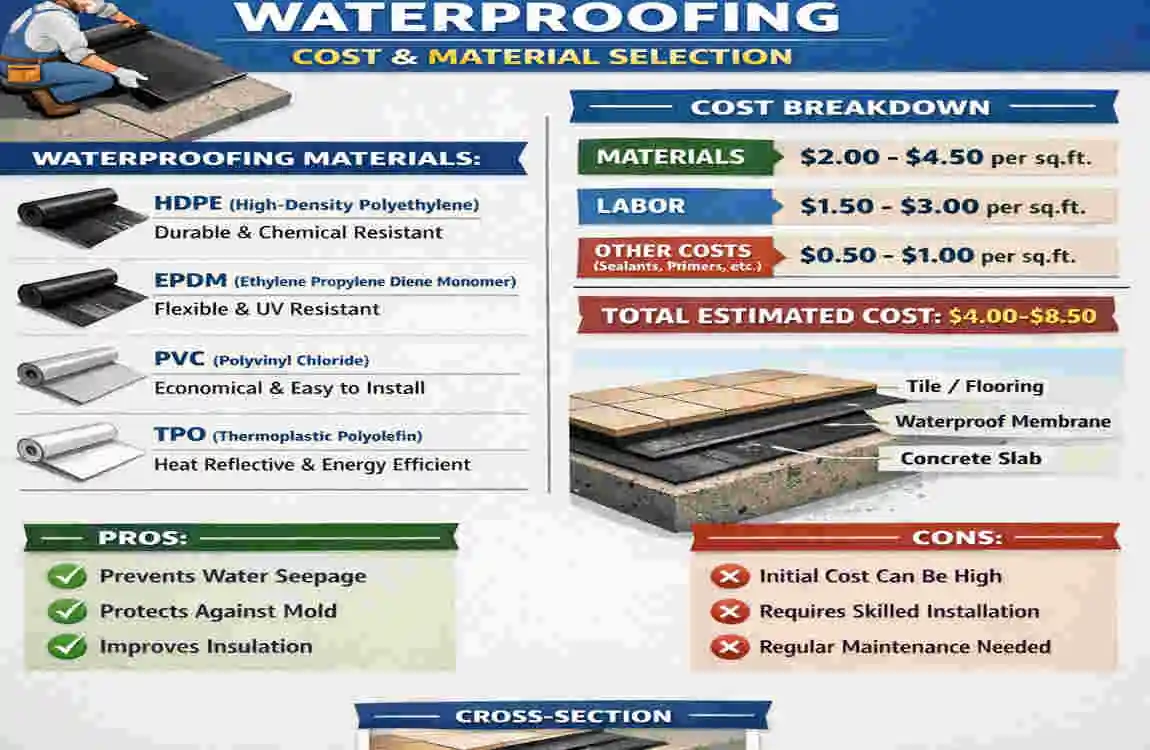
Ground floor waterproofing costs depend on several factors. The main factors are the sheet type, thickness, floor size, and installation quality.
The surface condition also matters. If the base needs extra preparation, the cost may go up.
Sheet Thickness and Quality
Thicker sheets often last longer and resist damage better. However, they may also cost more.
Quality matters as much as thickness. A cheaper sheet may save money at first, but it may not provide the same level of ground-floor moisture protection.
Labor and Installation Costs
Even the best sheet will not perform well if installed badly. Skilled labor may cost more, but it can reduce future repair problems.
That is why people often compare not only the material price but also the installation quality when planning waterproofing for concrete floor systems.
Floor Size and Site Conditions
A bigger floor needs more material, so the total cost rises. Difficult site conditions can also increase labor time.
If the floor is uneven or already damp, the preparation may take longer. That can affect the final budget.
Budget vs Premium Materials
Budget materials can work for simpler jobs, but premium membranes usually offer better long-term reliability. If the space is important or hard to repair later, investing in better material can be wise.
Common Problems and Maintenance Tips
Sheet Punctures and Damaged Areas
One common issue is physical damage. A sheet can tear during installation or later if the floor isn’t protected well.
This is why careful handling matters from the start. A small puncture can become a leak point.
Poorly Sealed Joints
If joints are not sealed well, water can move through the gaps. This problem often goes unnoticed until dampness appears inside.
Always check seams, overlaps, and corners. These areas need close attention in any ground floor waterproofing membrane system.
Water Entering Around Pipes and Walls
Pipes and wall edges are weak points. Water often sneaks in around these areas if they are not sealed correctly.
A good installer treats these locations as critical points and adds extra protection where needed.
Incorrect Installation
Poor installation is one of the biggest reasons waterproofing fails. Even a good product can perform poorly if it is applied to a dirty surface or not sealed correctly.
That is why proper planning and attention to detail matter.
How to Inspect Waterproofing
You do not need special tools for a basic check. Look for damp smells, stains, peeling finishes, and soft spots near the floor edge.
If you notice repeated moisture problems, it may be time to inspect the floor waterproofing sheet system more closely.
Tips for Extending the Life of the Waterproof Layer
- Keep the floor surface protected during construction
- Avoid puncturing or cutting the membrane
- Fix minor damage early
- Check vulnerable areas after heavy rain
- Maintain proper drainage around the building
These simple habits can help the waterproof layer last much longer.
FAQs About Ground Floor Sheet Waterproofing
What is the best sheet for ground floor waterproofing?
No single option is best for every project. PVC, HDPE, polyethylene, bituminous, and EPDM membranes all have strengths. The best choice depends on site conditions, budget, and durability needs.
How thick should a ground floor waterproof sheet be?
Thickness depends on the product and the application. In general, thicker sheets offer better protection, but the right thickness should match the floor design and expected wear.
Can waterproof sheets stop rising damp?
Yes, a properly installed ground floor waterproof sheet can help stop moisture from rising through the floor structure. It is one of the most common solutions for rising damp waterproofing.
Is sheet waterproofing better than liquid waterproofing?
It depends on the job. Sheet systems often provide strong and consistent floor protection. In contrast, liquid systems can work well for certain repairs or smaller areas.
How much does ground floor sheet waterproofing cost?
The cost varies by material type, floor size, surface condition, and labor. Premium materials and difficult site conditions usually raise the price.
Can waterproofing be installed under tiles?
Yes. In many cases, installers apply waterproofing before adding tiles or other floor finishes. This helps protect the structure below the finished surface.
How long does ground floor sheet waterproofing last?
A well-installed system can last many years. Lifespan depends on material quality, installation, and how well the membrane is protected over time.
| Feature | Short Information |
|---|---|
| Purpose | Prevents moisture and groundwater from entering the ground floor |
| Best Location | Under the concrete floor slab or between the slab and finished flooring |
| Common Materials | Bitumen sheets, PVC membranes, HDPE sheets, EPDM membranes |
| Main Benefit | Protects floors, walls, and interiors from dampness |
| Moisture Protection | Helps block rising damp and water penetration |
| Installation | Surface preparation, sheet laying, joint sealing, and protection before concreting |
| Key Requirement | Sheets should overlap properly and have sealed joints |